US Soldier Caught with Weapons at Tanzania Airport
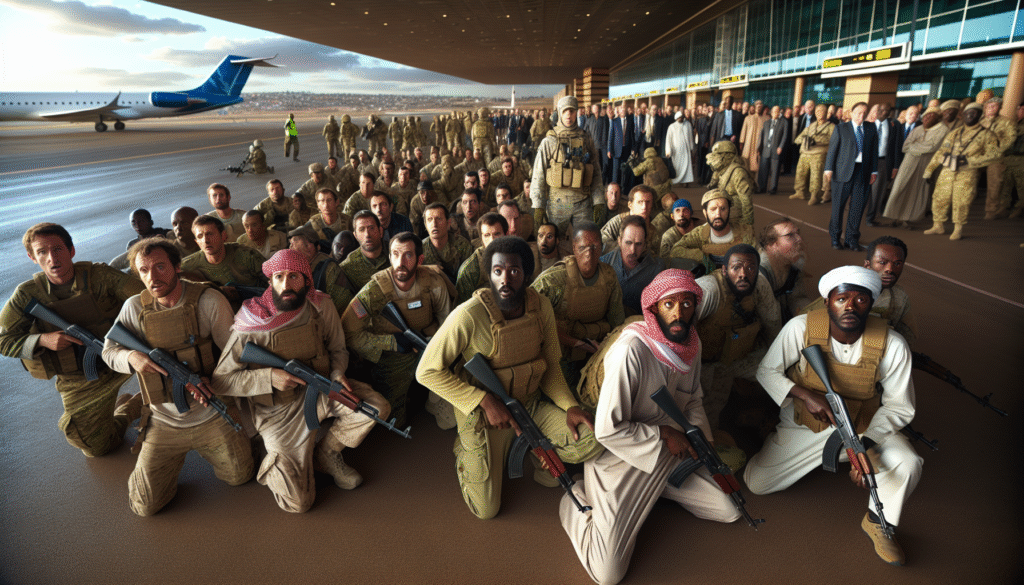
A U.S. Army soldier has been arrested in Tanzania after attempting to enter the country with a cache of military-grade weapons and explosives, according to authorities. The incident, first reported in the Military Times article titled “US soldier arrested trying to enter Tanzania with grenades, police say,” raises questions about the service member’s intentions and the lapse in international transport security.
The individual, identified as U.S. Army Staff Sgt. Justice McKinney, was detained on November 11 at Julius Nyerere International Airport in Dar es Salaam. Tanzanian police officials confirmed that McKinney was found in possession of multiple unregistered weapons, including four hand grenades, two pistols, and dozens of rounds of ammunition. The items were discovered during a routine baggage screening as he arrived from South Korea via Ethiopia.
Tanzanian law enforcement is currently holding McKinney as the investigation continues. Police have said they are working in cooperation with United States Embassy officials and international security agencies to determine how the weapons were obtained and transported across multiple international borders undetected.
According to the Military Times report, Tanzanian police have opened a terrorism-related investigation. They emphasized that no clear motive has yet been established, but underscored that the discovery represents a grave potential threat to public safety.
A spokesperson for U.S. Army Special Operations Command confirmed McKinney’s deployment history but declined to provide further specifics, citing privacy and ongoing investigative concerns. The Army has stated it is cooperating fully with local authorities and continues to monitor the case closely.
Officials familiar with military travel protocols note that while deployed soldiers may at times pass through multiple countries during assignments or leave, there are strict regulations around possession and transport of military weapons. McKinney’s possession of unauthorized weapons—and their transport into a sovereign nation without proper declaration—would represent multiple violations of these rules.
The unusual nature of the case has drawn international attention, particularly in light of growing concerns about global arms trafficking and internal military discipline. Tanzanian authorities have assured foreign diplomatic partners that their investigation will be thorough and transparent.
McKinney remains in Tanzanian custody pending further legal proceedings. The U.S. Department of State has declined to comment on the case beyond confirming the soldier’s detention, citing consular privacy guidelines.
As details emerge, U.S. military and diplomatic officials face pressure to explain how the incident occurred and to ensure that safeguards are strengthened to prevent similar breaches in the future.