US Military Faces Strain Amid Modernization Push
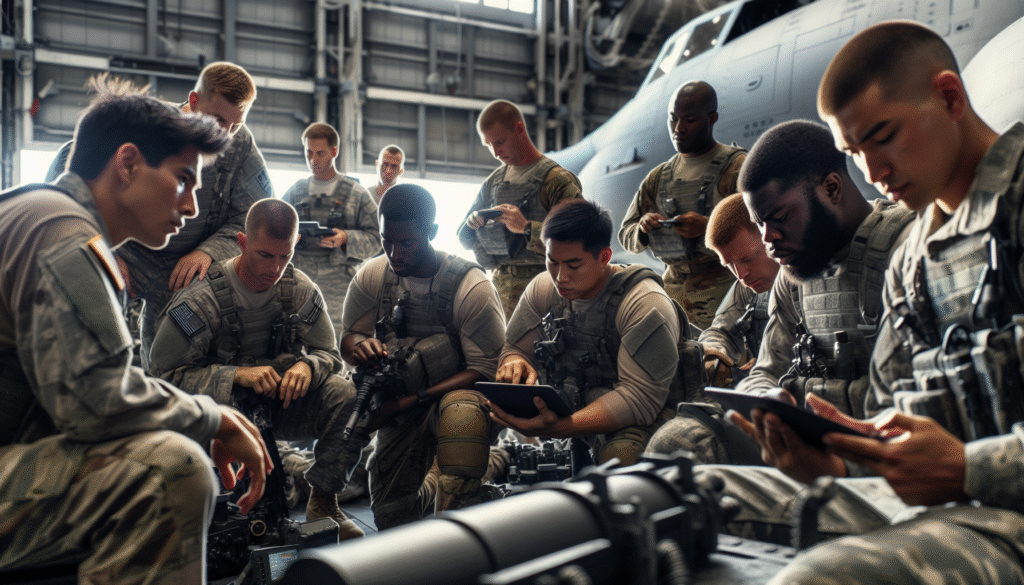
As geopolitical tensions rise and the need for military preparedness grows, the U.S. defense establishment faces intensifying pressure to modernize its forces and deliver consistent support to both domestic and international missions. According to a recent report published by Military Times titled “Your Military,” a range of challenges confront the active-duty, reserve, and veteran communities—most notably recruitment shortfalls and systemic delays in healthcare and benefit services.
The U.S. military continues to fall short of its annual recruiting targets, a trend mirrored across nearly all of the service branches. This persistent gap raises concerns about the long-term sustainability of the all-volunteer force. Pentagon officials have stressed the need for a multifaceted approach to reversing the shortfall, including revamping recruiting strategies, expanding eligibility evaluations, and fostering public trust in military careers. However, experts caution that addressing these deficiencies will demand not only innovation but substantial investment in outreach and education.
In parallel, the Department of Veterans Affairs is grappling with administrative backlogs and technological deficiencies that have led to frustrating delays in medical appointments and benefits processing for veterans. Although recent efforts have been made to modernize VA infrastructure and introduce digital solutions, many veterans report experiencing long wait times and inconsistent communication with the system. Advocates argue that more robust oversight and funding are necessary to meet the increasing demand, especially as more veterans require specialized care for both physical and psychological conditions.
Beyond the recruitment and healthcare challenges, increased operations overseas have placed a growing strain on military families. Extended deployments and unpredictable rotations have underscored the need for enhanced family support programs, including child care, mental health services, and housing assistance. Commanders are calling for broader integration of personnel resilience programs to alleviate the growing mental and emotional toll on service members and their loved ones.
The Military Times article also highlights ongoing reforms within military education and training systems. Initiatives aimed at preparing personnel for future threats—particularly cyber, space, and unmanned systems—are gaining momentum but require alignment with broader strategic doctrines. Defense officials have acknowledged that training paradigms must evolve to remain relevant in a rapidly shifting security environment.
With U.S. defense strategy increasingly shaped by near-peer competition and persistent nontraditional threats, defense leaders are under pressure to ensure that the nation’s warriors and their families are adequately supported. As the Department of Defense and the VA navigate these complex, intersecting issues, sustained bipartisan attention will be crucial to bring about the transformation many in uniform believe is urgently needed. The revelations detailed in “Your Military” reflect a force at a crossroads—caught between the legacy of past conflicts and the demands of an uncertain future.