US Military Buildup Clouds Iran Talks’ Prospects
As tensions between Tehran and Washington continue to simmer, concerns are growing in Iran over an expanding US military presence in the region, just as a critical series of diplomatic talks between the two nations is poised to commence. According to an article titled “Iranians Worry Over American Military Buildup as Last-Chance Round of Talks with US Nears,” published by Defense News, the escalating military buildup is seen as a potentially destabilizing factor at a crucial moment in US-Iran relations.
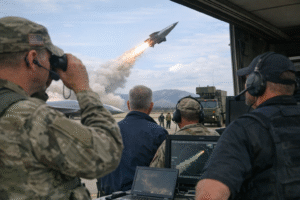
The US has bolstered its military capabilities in the Middle East, with an increased deployment of naval and aerial assets in the Gulf region. This move, ostensibly aimed at reassuring its allies and deterring aggression, has nonetheless sparked apprehension among Iranian leadership and the general populace. The strategic timing of these deployments has been perceived in Tehran as an attempt to exert additional pressure on Iran’s negotiating team ahead of the anticipated discussions.
The upcoming negotiations are being viewed by many as a pivotal opportunity to address unresolved issues surrounding Iran’s nuclear program and its compliance with the Joint Comprehensive Plan of Action (JCPOA). The deal, once seen as a cornerstone of international nuclear non-proliferation efforts, has faced significant strain, particularly following the US’s unilateral withdrawal from the agreement in 2018 under the previous administration.
Current US policy appears focused on leveraging its military strength to exact concessions from Iran. However, there is concern among international observers that such tactics could backfire, potentially escalating tensions further. This military presence might contribute to a hardening of positions on both sides, dampening prospects for a successful diplomatic outcome.
In Iran, public sentiment is apprehensive, colored by nationalistic pride and a deep-seated skepticism of US intentions. Critics argue that the show of force undermines diplomacy, reinforcing narratives that depict the US as an aggressor rather than a genuine partner in peace. Iranian officials have publicly criticized the buildup, asserting it as an intimidation strategy that contravenes the spirit of negotiation.
The broader geopolitical implications of these developments are significant. The region remains one of the world’s most volatile hotspots, and any misstep could have far-reaching consequences. Diplomats on both sides are acutely aware that the talks represent a narrow window of opportunity to steer the bilateral relationship towards a more stable footing.
It is in this fraught context that diplomatic efforts must navigate the complexities of international politics, military posturing, and domestic pressures. Both nations have signaled their willingness to engage, albeit with cautious optimism hampered by competing interests and a legacy of mistrust. The world watches closely, hoping that rational dialogue prevails over brinkmanship at a time when the stakes could not be higher.