US Downs Iranian Drone Near Carrier in Gulf Tensions
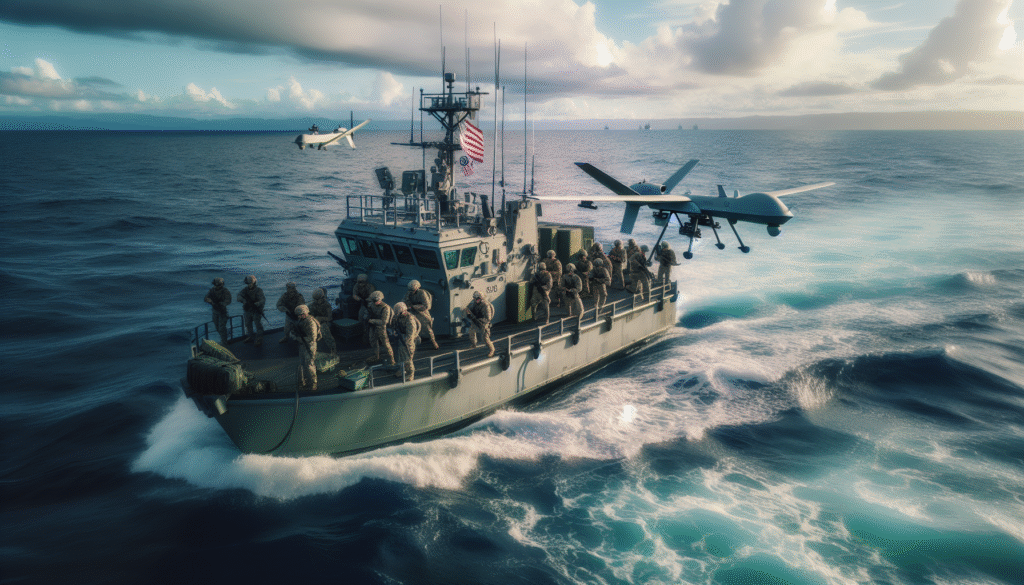
The U.S. military has confirmed it shot down an Iranian drone that approached an American aircraft carrier in what officials described as a provocative and potentially hostile maneuver. The incident, which took place in international airspace near the Strait of Hormuz, involved the USS Abraham Lincoln strike group, sparking renewed concerns about escalating tensions between the United States and Iran in one of the world’s most volatile maritime regions.
According to a report published by The Daily Wire titled “U.S. Shoots Down Iranian Drone After It ‘Aggressively’ Approached USS Abraham Lincoln,” the drone was intercepted after it flew within a dangerously close range of the carrier, prompting security forces to take defensive action. Officials stated the drone was unarmed but noted that its trajectory and behavior raised alarms, particularly in light of recent threats and activity from Iranian forces in the area.
The Pentagon said the drone was operating without proper identification and failed to respond to multiple radio warnings before it was engaged. In a statement, U.S. Central Command characterized the move as a “measured and appropriate” response to a potential reconnaissance or harassment attempt by the Iranian military. Defense officials emphasized that the aircraft posed a credible threat to flight operations aboard the carrier, which was conducting routine missions in the region at the time.
This latest encounter follows a series of increasingly fraught engagements between Iranian and U.S. forces. The Persian Gulf has seen repeated incidents involving fast-attack Iranian speedboats, threats against commercial shipping, and the use of drones for surveillance and intimidation. While diplomatic efforts have been made to de-escalate tensions, the frequency of such encounters underlines the fragility of the current status quo.
The downing of the drone comes amid broader geopolitical maneuvering, as Washington continues to pressure Tehran over its nuclear ambitions, regional interventions, and ballistic missile program. While both nations have refrained from open conflict, the risk of miscalculation remains high, especially in a region where military assets from various powers operate in close proximity and under conditions rife with mistrust.
Iran has yet to publicly comment on the loss of the drone. However, analysts suggest the country is likely to frame the incident as a violation of its sovereign rights or respond by showcasing its expanding military capabilities, notably its indigenous drone technologies.
The incident again highlights the strategic importance of the Strait of Hormuz, through which a significant portion of the world’s oil supply passes. Any disruption—or the mere perception of instability—can have wide-reaching implications for global energy markets and heighten already acute international concerns over conflict in the Middle East.
While the U.S. maintains that its actions were purely defensive, the encounter underscores the uncertainty inherent in the region’s complex security environment. The current situation poses an ongoing challenge for both military commanders and diplomatic officials seeking to avoid a flashpoint that could spiral into a broader conflict.