Trump’s Golden Fleet Plan Revives Battleship Debate
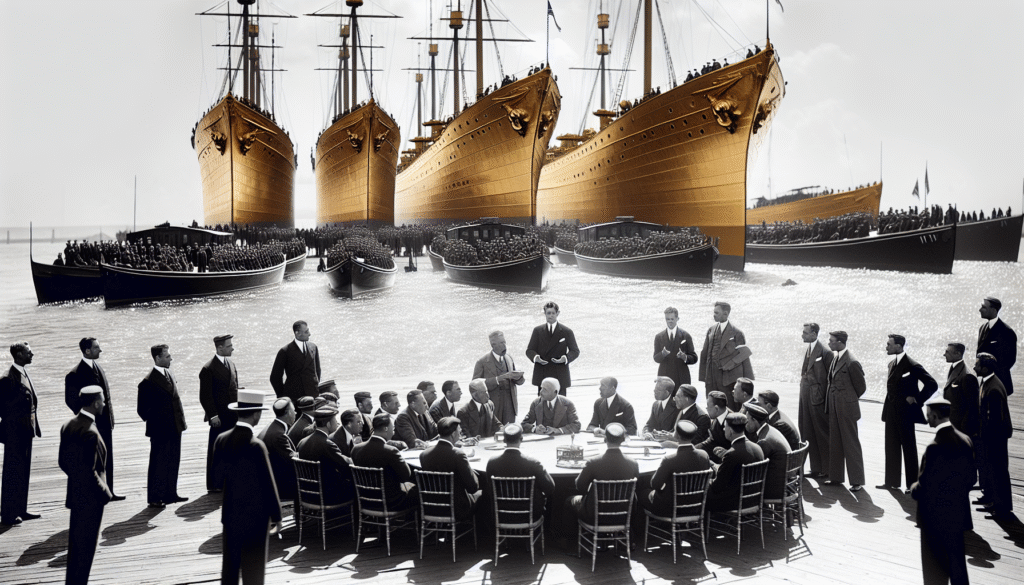
In a move that has sparked both curiosity and controversy within the defense community, former President Donald Trump has reportedly intensified his push to return Cold War-era battleships to active duty as a symbol of American naval might. According to an article published by DefenseScoop titled “Trump’s plan for battleships in his ‘Golden Fleet’ leaves Navy, experts baffled,” the effort appears to be part of a broader strategy by Trump to recast U.S. maritime power through a dramatic reimagining of naval assets.
The “Golden Fleet,” as dubbed by Trump officials and campaign aides, envisions a future naval force that includes refurbished Iowa-class battleships — iconic relics of 20th century warfare that were retired for the second and final time in the early 1990s. Enthusiasm among Trump-aligned strategists reportedly stems from a mix of nostalgia, symbolic projection of strength, and a belief that modern upgrades could make the aging ships relevant once again.
However, the proposal has drawn sharp criticism from naval experts, former military officials, and defense analysts. Critics argue that the reactivation of these vessels would be prohibitively expensive and operationally impractical. More importantly, they contend the initiative overlooks the fundamental changes in modern naval warfare, which now prioritizes stealth, speed, and precision over the heavy armor and large-caliber gunnery of the battleship era.
“Moving backward to battleships may inspire awe in some circles, but it doesn’t align with the strategic realities of today’s threats,” a senior Navy official, speaking on condition of anonymity, told DefenseScoop. “Our adversaries aren’t building battleships. They’re developing hypersonic missiles and cyber capabilities.”
Trump has not specified how the proposed ships would be armed or what mission sets they would serve. Supporters of the plan have referenced the potential incorporation of modern missile systems or even railgun technology, though no formal assessments have been made public. Still, as highlighted in DefenseScoop’s reporting, experts have noted that modifying such legacy platforms for contemporary warfare would present monumental technical challenges—assuming they could even be recommissioned without major structural overhauls.
Military historians have also raised concerns about the proposal’s political implications. The symbolism of the battleship has long been associated with traditional ideas of hard power and national prestige, particularly in eras preceding today’s heavily digitized and networked form of combat. As such, some analysts interpret the initiative as more of a political message than a serious modernization plan.
The U.S. Navy itself has remained notably silent on the subject, perhaps signaling reluctance to engage with what many insiders see as a logistical and doctrinal anachronism. Several Navy officers have privately expressed skepticism, questioning whether such a high-profile diversion could distract from more pressing priorities such as fleet maintenance, submarine production, and the integration of unmanned systems.
As the 2026 presidential election cycle accelerates and national security features more prominently in campaign debates, the fate of the “Golden Fleet” concept remains uncertain. Yet, its emergence reflects a broader tension between tradition and transformation in U.S. defense strategy—a dynamic that promises to define political and military discourse in the months ahead.