Trump Expands Militarized Border Zone in California
In a move that has sparked new debate over the militarization of the U.S. southern border, the Trump administration has authorized the establishment of a militarized zone in California, further intensifying security infrastructure between the United States and Mexico. The expansion, reported by Military Times in its December 10 article titled “Trump administration adds militarized zone in California along border,” marks the latest development in an ongoing series of federal initiatives aimed at curbing illegal immigration and bolstering national security.
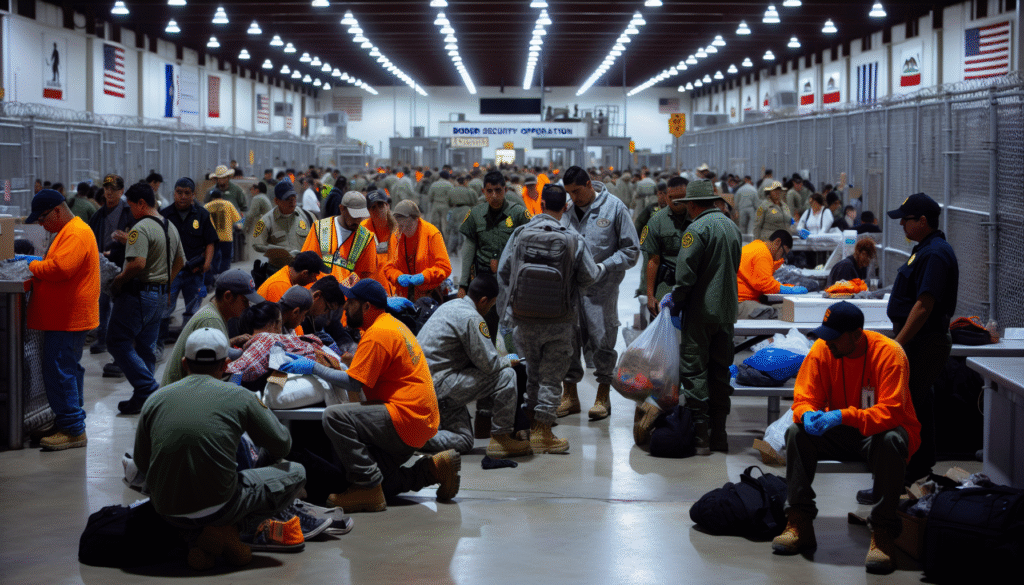
The newly designated zone falls under the jurisdiction of the Department of Defense and will see increased patrols, surveillance technologies, and temporary deployments of active-duty troops to assist Customs and Border Protection (CBP). Although Department of Homeland Security officials have stated that the measure is a response to intelligence indicating potential surges in migrant crossings, critics argue that the move raises serious concerns about domestic use of military force and civil liberties.
According to Military Times, the administration cited border security vulnerabilities in the Imperial Valley region—where gaps between established fencing and rugged terrain have long posed challenges to enforcement—as justification for the more aggressive posture. The area will now host military-grade installations, including mobile radar units, aerial surveillance assets, and fortified checkpoints. While the Pentagon has stressed that military personnel will not conduct law enforcement operations, concerns persist over the optics and long-term legal precedent of military involvement on U.S. soil for domestic purposes.
Civil rights organizations, Democratic lawmakers, and border community leaders have voiced opposition to the plan, with many framing it as an escalation that ignores humanitarian concerns. “This latest action threatens to turn a vibrant and diverse border region into a de facto war zone,” said Rep. Juan Vargas (D-Calif.), whose district includes parts of the affected area. He called for greater oversight and transparency in the deployment of federal resources along the border.
The Trump administration has defended the move as a necessary safeguard in advance of potential migrant caravans and organized border crossings, which officials claim present logistical and security challenges that outpace the capacity of CBP alone. Administration officials emphasized that the militarized zone is temporary and subject to ongoing assessments based on operational needs.
This initiative builds on measures taken earlier in the administration, including the deployment of troops to the U.S.-Mexico border in 2018 and the diversion of Pentagon funds to expand border wall infrastructure. Legal challenges to those actions are still wending through the courts, and the latest deployment may similarly be subject to judicial scrutiny if legislators or advocacy groups pursue legal remedies.
As the nation prepares for what is expected to be another polarizing presidential election cycle, the use of military resources for border enforcement remains a flashpoint in national discourse. For now, the creation of the militarized zone in California signals that hardline immigration enforcement remains a central component of the Trump administration’s policy agenda.