Trump Drops National Guard Push for Democrat Cities
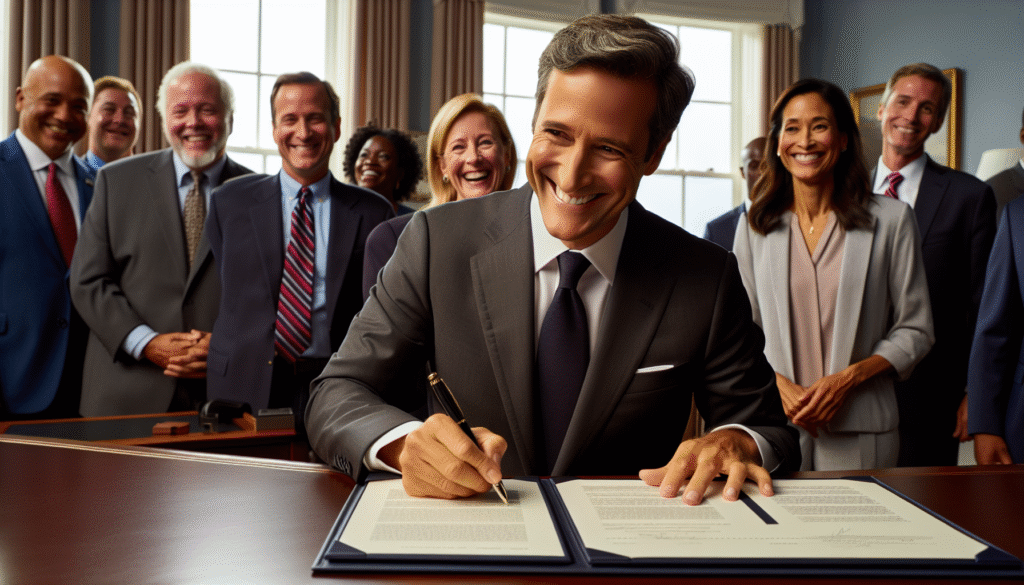
Former President Donald Trump announced he is no longer advocating for the deployment of National Guard troops to Democratic-led cities such as Los Angeles, reversing a position he had promoted on the campaign trail. The decision marks a shift in Trump’s public safety stance as he continues his bid to return to the presidency in the 2024 election.
According to a report titled “Trump says he’s dropping push for National Guard in LA, other cities” published by Military Times, Trump had previously floated the idea of using federal troops to curb crime and social unrest in cities governed by Democrats. His proposal, which critics said risked exacerbating federal-local tensions, was part of a broader campaign narrative painting urban centers as out-of-control and in need of federal intervention.
While Trump now says he will not pursue the controversial deployment if re-elected, he did not rule out alternative action on urban crime. Speaking to a conservative radio host last week, Trump stated that he would instead rely on collaboration with local authorities and prioritize restoring order “through strength.” He did not provide specific details on what shape that cooperation would take.
The withdrawal of support for a military presence in American cities marks a potential recalibration of Trump’s law-and-order platform, which played a central role in his 2020 campaign. That year, his administration repeatedly clashed with local officials, especially following protests sparked by the killing of George Floyd. At the time, the president’s threats to use federal forces were met with sharp criticism from civil rights groups and some former military leaders, who warned of the precedent it could set.
Some political analysts interpret Trump’s latest move as an attempt to moderate his image ahead of potential general election battles. Others suggest it reflects growing public skepticism about militarized policing and the propriety of using military forces for domestic law enforcement.
The Military Times article notes that questions remain about what Trump might do in the event of renewed civil unrest if he were to return to the White House. His comments suggest a move toward more conventional approaches to public safety, but observers caution that his positions could shift again as the political landscape evolves.
Trump’s retraction comes amid broader national debates around crime, policing, and the appropriate limits of federal intervention in local affairs. With crime rates a recurring concern among voters, how candidates propose to address public safety is expected to remain a central issue in the 2024 election cycle.