Troops at Border Face Unsafe and Unsanitary Conditions
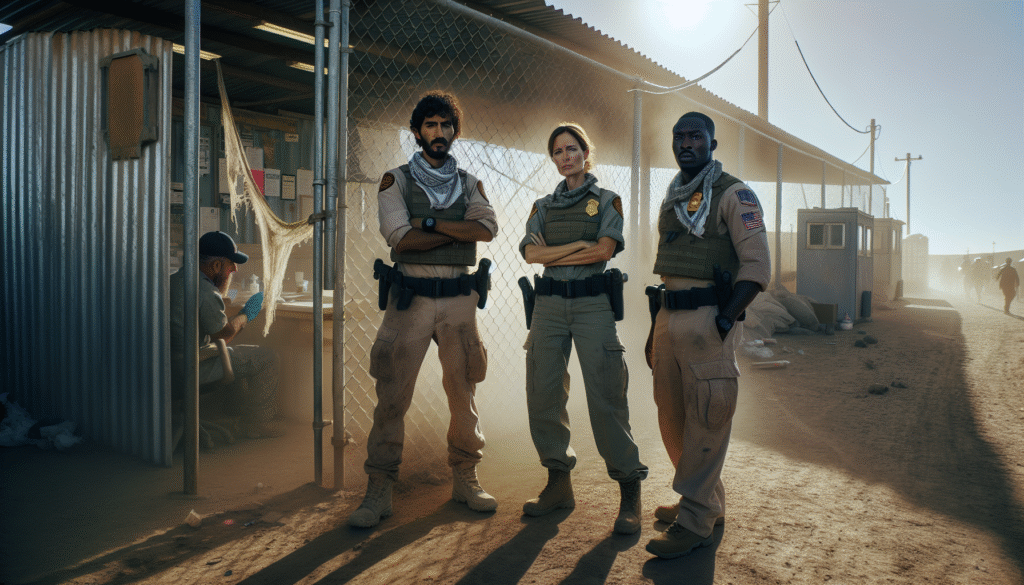
National Guard troops stationed along the U.S.-Mexico border as part of ongoing security operations have been subjected to squalid living conditions, according to a recent investigative report. The article, published by Military Times on December 19, 2025, and titled “Raw sewage, broken AC, bugs: Report reveals squalor at border mission,” details a range of health and safety concerns at facilities housing troops deployed under the federal border mission initiated during recent years.
The report synthesizes dozens of soldier complaints and internal assessments, revealing a consistent pattern of problems such as malfunctioning air conditioning units, persistent pest infestations, mold growth, and even incidents of raw sewage backing up into living quarters. According to Military Times, the findings are based in part on inspections and compliance reviews conducted at troop housing in Texas and other locations along the border.
Viewing conditions first-hand, inspectors from the Department of Defense’s Office of Inspector General and other review bodies documented what they described in official language as “systemic failures” in property management and oversight. Some military personnel reported being unable to sleep for extended periods due to oppressive heat in unventilated trailers. Others described dealing with rodent droppings, water leaks, and repeated plumbing malfunctions that created unsafe and unsanitary environments.
In official responses, National Guard Bureau leadership acknowledged deficiencies, citing the logistical and infrastructural challenges inherent in a long-term domestic deployment carried out across multiple states. A spokesperson noted that efforts were underway to address facility shortfalls, improve contract oversight, and ensure better coordination between federal and state entities managing the border mission.
This operation, involving thousands of National Guard troops from multiple states, has evolved over successive federal and gubernatorial directives aimed at supporting U.S. Customs and Border Protection during periods of heightened migrant crossings. While the mission has been praised by some lawmakers for reinforcing border security, it has also drawn criticism for its cost, ambiguous legal footing, and now—in stark detail—for the conditions in which deployed Guard members are expected to live and work.
The report has already prompted fresh scrutiny from members of Congress, some of whom are calling for hearings to investigate the findings and ensure adequate funding and support for service members deployed on domestic soil. Military readiness experts warn that prolonged exposure to such conditions can have lasting impacts on troop morale, readiness, and recruitment, especially as the National Guard continues to be called upon for a wide array of missions at home and abroad.
As the military and civilian leadership weigh next steps, the revelations serve as a stark reminder of the often-overlooked demands placed on Guard members in domestic support roles—and the infrastructure needed to sustain both the mission and the people tasked with carrying it out.