Top Enlisted Leaders Defend Unchanged Combat Standards
The inclusion of women in combat and special operations roles has not compromised the rigor of military standards, according to top enlisted leaders representing each branch of the U.S. armed forces. In testimony delivered before the House Armed Services Committee on February 7, senior noncommissioned officers firmly rejected assertions that gender integration into historically male-only positions has led to diminished expectations or weakened performance criteria.
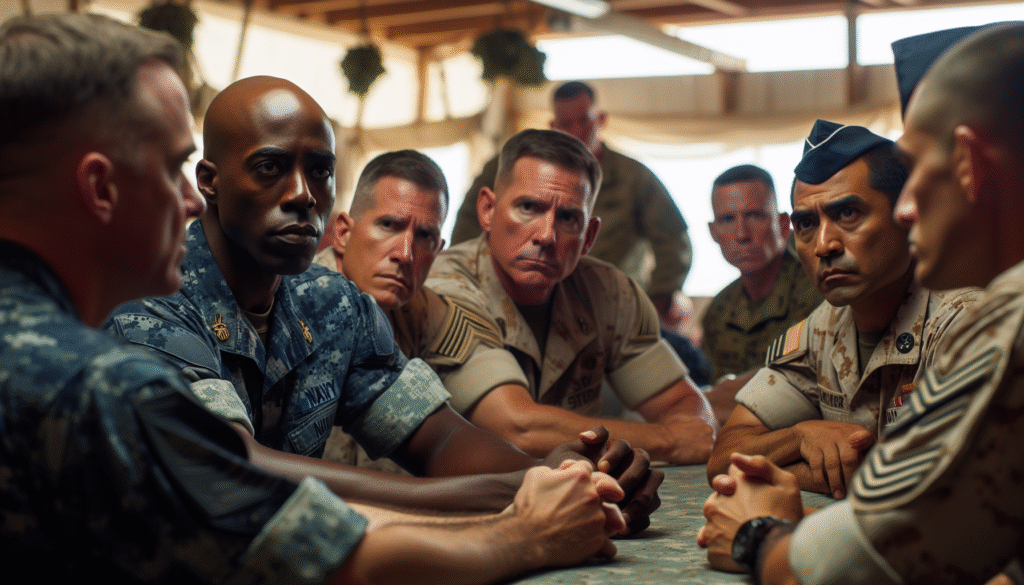
During the hearing, Command Sergeant Major Michael Weimer of the Army, Sergeant Major Troy Black of the Marine Corps, Master Chief Petty Officer James Honea of the Navy, and Chief Master Sergeant David Flosi of the Air Force offered a unified response: the standards have remained consistent, and all individuals, regardless of gender, must meet them to serve in combat roles. Their comments align with those reported in the February 12 article published by Military Times, titled “No evidence women in combat roles lower standards, top enlisted leaders say.”
The debate over women’s participation in direct combat has persisted for more than a decade, particularly since the Pentagon lifted the ban on their service in these roles in 2015. Since then, a growing number of women have successfully completed previously closed training programs, including the Army Ranger School and special operations pipelines. Despite these advancements, skepticism remains in some political and military circles regarding the long-term implications of female integration in elite units.
Congressional attention was sparked anew following the controversy surrounding the Navy SEAL assessment framework. Reports last year alleged that a female candidate received preferential treatment during the notoriously grueling Basic Underwater Demolition/SEAL (BUD/S) training. These allegations reignited questions from lawmakers over whether maintaining combat effectiveness was being subordinated to equal opportunity initiatives. However, Navy officials, including top enlisted leaders, have maintained that all sailors—male or female—must meet the same demanding standards without exception.
In their testimonies, the senior enlisted advisors emphasized that success in these fields is grounded in individual merit and capability, not gender. “The standards are the standards,” said Black. “You pass or you don’t.” All four leaders underscored that the military’s objective remains unwavering: to build and maintain the most capable fighting force possible.
Data on the exact number of women serving in combat roles today remains limited, but their presence is steadily growing. The services continue to refine assessment and selection processes to ensure they are fair, transparent, and firmly based on mission requirements. Furthermore, leadership noted that diversity within military units can increase effectiveness by bringing a broader range of perspectives to complex operational challenges.
As policymakers continue to evaluate the long-term impacts of gender integration on military readiness, the consistent message from service leaders remains clear: standards have not changed, and those who earn their place in combat units do so under the same rigorous demands as anyone else.
For lawmakers and military planners alike, this testimony may help shape future defense policy decisions in an evolving security landscape. As the Military Times article recounts, the unwavering stance by military leadership appears aimed at reinforcing both operational integrity and public trust in the nation’s armed forces.