Tactical Wins, Strategic Losses in Modern War
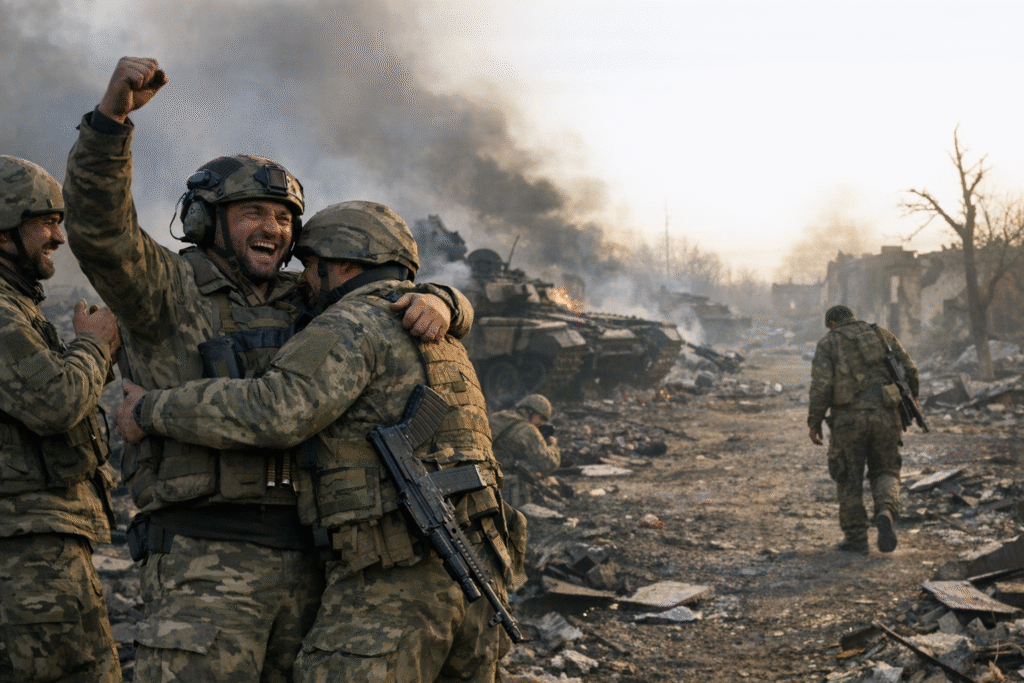
An article published on the Substack platform by Andrew Fox, titled “Winning the Tactical War, Risking…,” raises concerns that battlefield successes can obscure deeper strategic vulnerabilities, particularly in modern conflicts where political, economic, and informational dimensions are inseparable from military operations.
Fox argues that military forces can achieve localized, short-term victories while simultaneously undermining their broader war aims. Drawing on recent and historical examples, he suggests that an exclusive focus on tactical outcomes—such as territory seized or enemy units neutralized—can create a misleading picture of progress. These gains, he contends, often come at costs that erode long-term strategic positioning, including overstretched logistics, declining public support, and diminished alliances.
The article emphasizes that contemporary warfare is defined less by decisive battles and more by sustained pressure across multiple domains. Fox points to the growing importance of information campaigns, economic resilience, and political legitimacy, arguing that these factors increasingly determine the trajectory of conflicts. Tactical victories that fail to align with these broader considerations risk becoming counterproductive.
Fox also highlights how adversaries can exploit this imbalance. By conceding ground or absorbing losses at the tactical level, an opponent may preserve strength in other areas, ultimately shaping the strategic environment to its advantage. This dynamic can leave a tactically successful force vulnerable to attrition, diplomatic isolation, or domestic fatigue.
The analysis underscores the need for military and political leaders to maintain coherence between operational decisions and strategic objectives. Fox warns that without this alignment, even a series of battlefield wins may contribute to a long-term weakening of a nation’s position.
Published on Substack, the article contributes to ongoing debates among defense analysts about how success should be measured in modern conflict. It serves as a reminder that wars are rarely decided by isolated engagements alone, and that the line between victory and defeat is often drawn at the strategic level rather than on the battlefield.