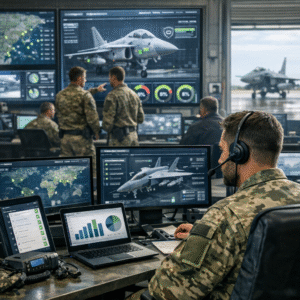
Space Force Advances Digital Training for 2026

The U.S. Space Force is advancing plans to develop a comprehensive digital training environment, with a significant push to build out programmatic requirements in 2026, according to a December 2025 report titled “Space Force aims to build out requirements for digital training environment in 2026” published by Breaking Defense. The initiative reflects the service’s broader effort to modernize its training infrastructure and prepare personnel for the evolving demands of military operations in space.
As detailed in the report, the Space Force is looking to design a fully integrated, digital-first training ecosystem that can support live, virtual, and constructive simulation. The goal is to equip its Guardians—Space Force personnel—with the skills necessary to operate effectively across a range of challenging scenarios, from satellite operations to space domain awareness and cybersecurity. By moving away from traditional in-person training modalities, the service aims to offer flexible, scalable instruction that accommodates the rapid pace of technological change in the space domain.
Brig. Gen. Timothy Sejba, Program Executive Officer for Space Training and Readiness Command (STARCOM), emphasized that creating a unified, digital environment will enable a more agile and interoperable force. The next phase of planning, expected to culminate in 2026, will focus on formalizing capability requirements and soliciting industry input. Stakeholder engagement, including from commercial technology providers and other service branches, is anticipated to play a central role in shaping the scope and architecture of the environment.
While certain training elements are currently supported through discrete systems and legacy simulators, the envisioned digital environment would serve as a next-generation platform, linking disparate tools and datasets into a cohesive framework. This coordination is seen as essential for ensuring that training remains synchronized with operational needs and integrates emerging technologies such as artificial intelligence and machine learning.
The move also signals the Space Force’s commitment to adopting an acquisition strategy that mirrors its operational doctrine—fast, data-driven, and adaptable to contested environments. According to officials cited in the Breaking Defense article, the program office is conducting trade studies and identifying gaps ahead of issuing an official Request for Proposals. This approach is designed to reduce developmental risk and align procurement cycles with broader Department of Defense modernization timelines.
While funding specifics have not been disclosed, the service’s 2026 planning efforts will likely inform future budget requests and acquisition milestones. The emphasis on modularity and interoperability suggests that the new environment may evolve in phases, with initial capabilities fielded as soon as they become viable.
As space becomes an increasingly contested and congested operational theater, the Space Force’s drive to modernize training aligns with its larger strategic imperative to remain ahead of adversaries. The success of this digital transformation will depend not only on cutting-edge technology but also on effective partnerships across the military, industry, and academia—ensuring that Guardians are prepared for the challenges of tomorrow’s space battlefield.