Shield AI Unveils X-Bat Drone Powered by GE F110 Fighter Jet Engine in Push for High-Performance Autonomous Combat Flight
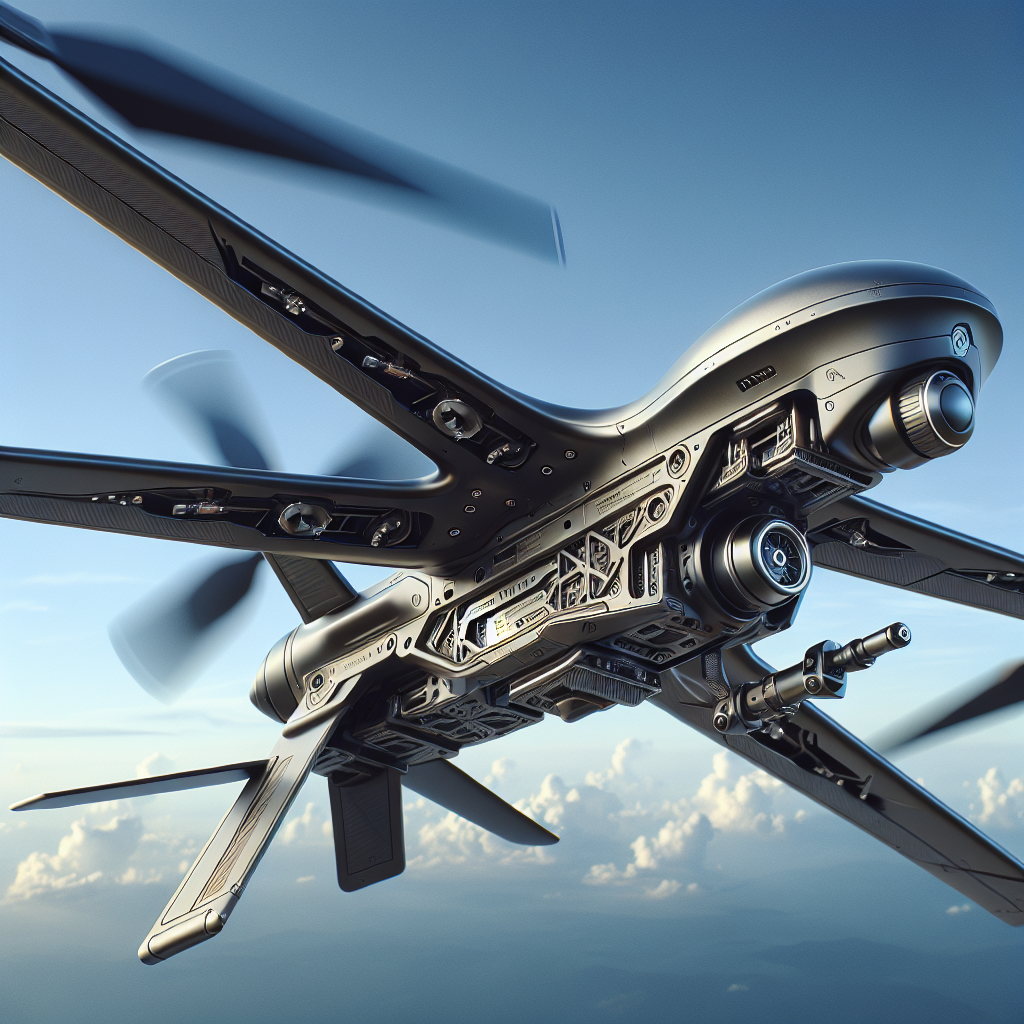
In a development that underscores the convergence of autonomous technologies and advanced propulsion systems, Shield AI has confirmed that its next-generation X-Band Autonomous Teaming drone—known as the X-Bat—will be powered by General Electric’s F110 engine, the same thrust class used in legacy U.S. Air Force fighters such as the F-15 and F-16. According to an exclusive report published by Breaking Defense titled “Shield AI’s X-Bat Drone to be Powered by Same GE Engine as F-15, F-16 Fighters,” the selection of this engine signals a significant step forward in performance expectations and operational capabilities for uncrewed combat systems.
The X-Bat is a product of Shield AI’s broader initiative to enable autonomous aircraft to operate in highly contested environments with minimal human supervision. By choosing the GE F110 engine—an afterburning turbofan capable of delivering up to 29,000 pounds of thrust—the company is emphasizing speed, maneuverability, and operational ceiling, qualities traditionally associated with manned fourth-generation fighter jets.
Executives at Shield AI highlighted that powering the X-Bat with a fighter-class engine is intended to give the drone the ability to keep pace with manned aircraft in future aerial combat missions. Ryan Tseng, CEO of Shield AI, indicated this decision aligns with the company’s vision of creating AI-piloted drones capable of flying cooperatively with traditional aircraft, performing complex mission sets such as suppression of enemy air defenses, electronic warfare, and airborne early warning.
The X-Bat is a vertical take-off and landing (VTOL) drone with a modular design architecture. Its development feeds into the Department of Defense’s broader push for Collaborative Combat Aircraft (CCA), part of the Next Generation Air Dominance (NGAD) program. Shield AI—which is working closely with the U.S. Air Force, Navy, and Special Operations Command—has aggressively pursued an expansion of its autonomous flight control software, Hivemind, which is slated to be integrated into the X-Bat platform.
Sources familiar with the program stated that the integration of the F110 engine is already underway, with flight testing expected to begin within the next year. While no timeline for operational deployment has been made public, Shield AI’s rapid development cycle and close coordination with U.S. military commands suggest that the X-Bat could be fielded sooner than traditional procurement programs.
The move also reflects a broader trend in military aviation where legacy hardware—such as the F110 engine—is being repurposed to propel next-generation uncrewed platforms. General Electric, for its part, sees this as an opportunity to extend the life of its proven propulsion systems while supporting the military’s pivot to autonomous warfare.
Analysts note that Shield AI’s approach, while ambitious, reflects a growing consensus within the defense community: the future battlefield will require uncrewed systems that can match the performance of crewed aircraft to ensure survivability and mission effectiveness in high-threat environments.
Shield AI’s X-Bat program and its selection of the GE F110 engine exemplify how defense technology firms are blending artificial intelligence, autonomy, and high-performance engineering to create disruptive platforms for 21st-century conflict.