Sea Services Face Pivotal Shifts Amid 2025 Turmoil
In a year marked by strategic recalibration and operational challenges, the U.S. Navy and Marine Corps have faced defining moments that will likely shape their trajectories well into the next decade. As outlined in Breaking Defense’s “Five Stories That Made Waves For The Sea Services: 2025 Review,” these developments reflect a complex interplay of global threats, technological shifts, and evolving military doctrine.
Perhaps most significantly, the cancellation of the Navy’s DDG(X) next-generation destroyer program has cast a long shadow over the service’s modernization goals. Envisioned as a technologically advanced successor to the Arleigh Burke-class destroyers, the abrupt shelving of the effort due to cost and design concerns underscores persistent difficulties in aligning budgetary realities with strategic aspirations. The decision sends a sobering signal about the Navy’s ability to innovate at scale while managing fiscal discipline—a theme increasingly common across all branches of the military.
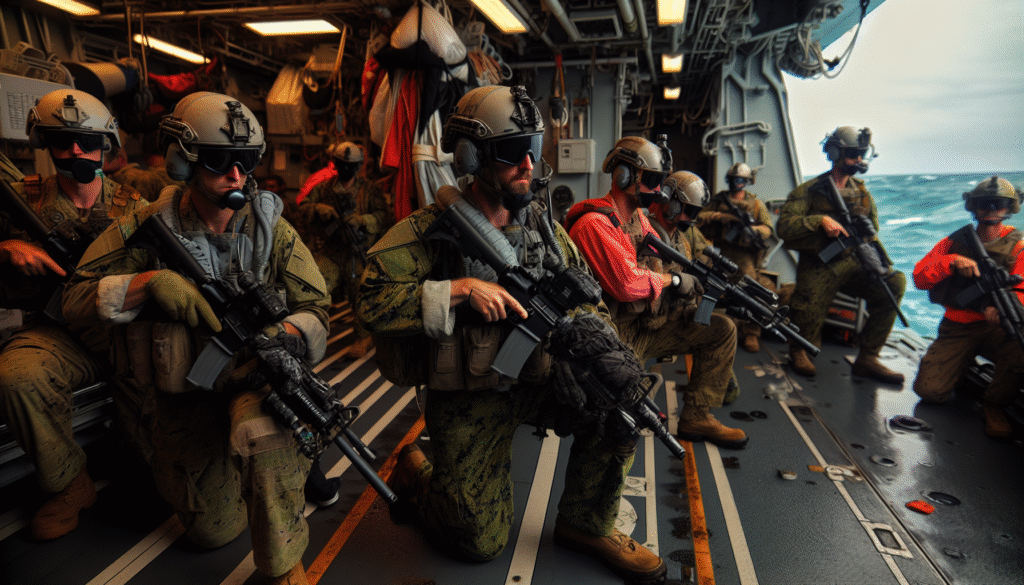
Yet, the year was not without some victories. The Marine Corps’ continued progress on its Force Design 2030 initiative signals a bold reimagining of expeditionary operations in the Indo-Pacific. The successful deployment of the 31st Marine Expeditionary Unit in contested environments demonstrated the evolving utility of smaller, more agile units equipped to operate within the enemy’s weapons engagement zone. However, observers note that the full effectiveness of this strategy remains to be validated in a high-end conflict scenario.
Inter-service cooperation also came into sharper focus, particularly in efforts to bolster maritime logistics and sustainment. The launch of several forward-deployed refueling and resupply vessels marks a step toward greater resilience for forward-operating forces. But gaps in logistics capabilities remain, especially when it comes to maintaining supply chains in a contested environment—an issue that gained renewed relevance amid rising tensions in the South China Sea and ongoing confrontations near Taiwan.
The role of unmanned systems also loomed large in 2025. Naval exercises featuring autonomous surface and underwater vessels demonstrated their growing operational value. However, questions remain around integration, reliability, and command-and-control structures. The Navy’s push to acquire more unmanned platforms has been cautious, reflecting lessons learned from previous programs that faltered due to overly ambitious technology expectations.
Finally, the year saw a sharpened focus on recruiting and retaining skilled personnel. Both the Navy and Marine Corps fell short of their end-strength goals, a trend attributed to broader recruitment challenges facing the U.S. military. Leadership from both services has signaled a commitment to overhauling training pipelines, expanding outreach initiatives, and offering targeted incentives to address the issue. Still, experts warn that without a broader cultural and institutional shift, manpower shortfalls may continue to undermine readiness.
As Breaking Defense’s retrospective highlights, 2025 has served as both a proving ground and a reckoning for the sea services. Whether these developments signal foundational change or incremental course corrections remains to be seen. What is clear, however, is that the challenges confronting the Navy and Marine Corps are as dynamic and multifaceted as the battlespaces they prepare to face.