Scott DesJarlais Takes Strategic Forces Helm Amid Rising Global Tensions and Nuclear Modernization Push
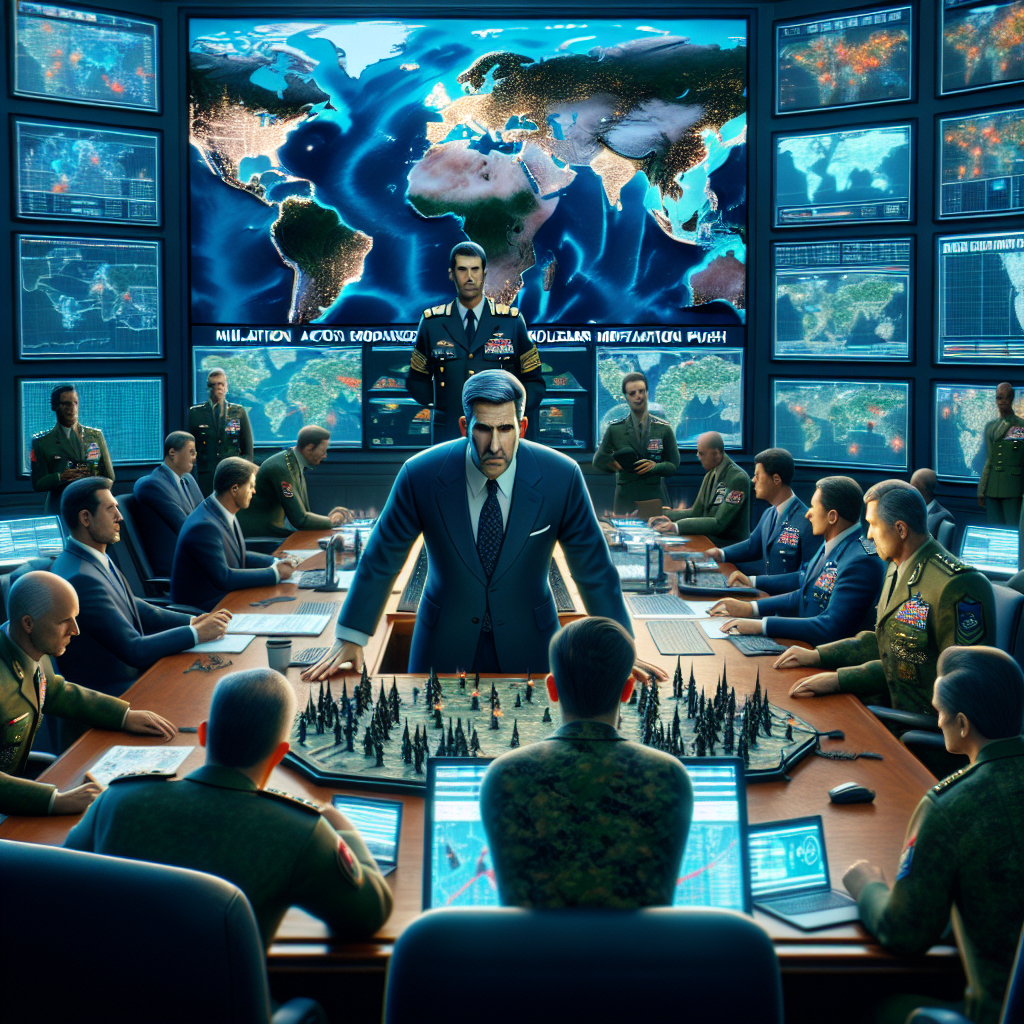
Rep. Scott DesJarlais (R-Tenn.) has assumed the chairmanship of the House Armed Services Committee’s Strategic Forces Subcommittee, positioning him at the helm of a key legislative body responsible for oversight of the United States’ nuclear arsenal, space policy, and missile defense initiatives. His appointment signals a potentially more assertive legislative posture on strategic deterrence, hypersonic capabilities, and space domain readiness as global military competition intensifies, particularly with China and Russia.
As reported in “Who’s Who in Defense: Scott DesJarlais, Chairman, House Armed Services HASC Strategic Forces Subcommittee” by Breaking Defense, DesJarlais brings to the role a conservative approach to defense spending, paired with a strong emphasis on sustaining and modernizing the U.S. nuclear triad. While not a frequent face in major defense policy debates over the past decade, his growing influence within the Republican caucus and consistent support for robust defense budgets have elevated his profile in the 119th Congress.
His leadership comes at a critical juncture as Congress debates the fiscal year 2026 National Defense Authorization Act (NDAA), where funding decisions for programs such as the Sentinel ICBM, the Columbia-class ballistic missile submarine, and the Ground-Based Midcourse Defense system will be front and center. DesJarlais is expected to be a vocal proponent of maintaining competitive advantages in the strategic forces realm, including potential deterrence-enhancing initiatives in the Indo-Pacific theater.
Moreover, the Tennessee congressman may also influence the subcommittee’s stance on burgeoning space policy matters. With the continued growth of the U.S. Space Force and increasing concerns about orbital threats posed by potential adversaries, the direction DesJarlais provides could help shape the balance between civil and military investment priorities in the space domain.
Despite his staunchly conservative voting record, DesJarlais has shown moments of pragmatism in defense policy, supporting previous bipartisan efforts to prevent sequestration-level defense cuts. Colleagues on both sides of the aisle suggest he may provide stabilizing oversight, particularly with increasing pressure for congressional action on military-industrial base resilience and innovation in missile defense and space-based deterrents.
His subcommittee, one of the most technically specialized within the Armed Services Committee, requires in-depth attention to the nation’s most sophisticated defense programs. Given the complexity and classified nature of many of these systems, effective leadership is key to balancing operational secrecy with congressional transparency and fiscal accountability.
With the geopolitical landscape rapidly evolving and China’s strategic capabilities becoming increasingly complex, DesJarlais’ chairmanship is expected to play a pivotal role in crafting a U.S. strategic posture that is both modernized and sustainable. Industry stakeholders, defense analysts, and Pentagon officials alike will be watching closely as he wields new influence over programs that define America’s long-term strategic deterrent.