Rethinking Iran Strategy: Beyond Airstrikes
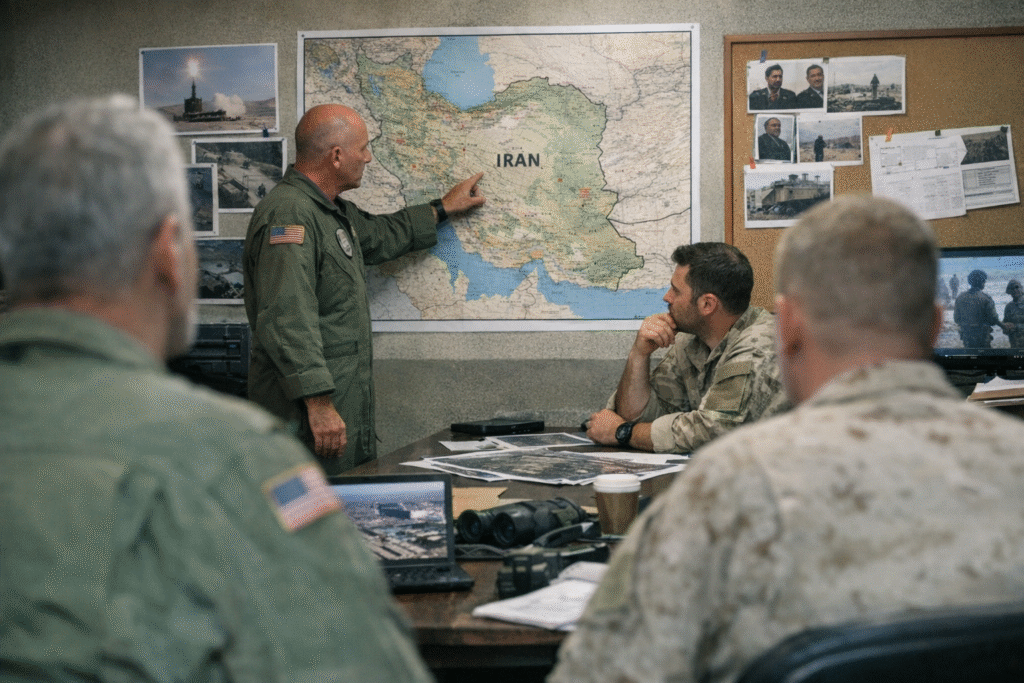
In recent geopolitical discourse, the strategic calculus regarding potential military actions against Iran has emerged as a focal point of debate. A recent analysis, “Iran War Ground Options: Why Airstrikes Fall Short,” published by Andrew Fox on Substack, delves into the complexities and potential repercussions that military operations might entail.
As international tensions with Iran persist, the discourse surrounding viable military strategies is particularly poignant. Historically, airstrikes have been a conventional method for delivering swift and decisive blows to adversarial forces. However, the article underscores the notion that while airstrikes can be disruptive, their efficacy is fundamentally limited unless complemented by a comprehensive ground strategy.
Fox argues that reliance solely on aerial bombardments may not achieve long-term strategic objectives. This assertion is grounded in historical precedents where air campaigns, though initially impactful, often failed to dismantle adversarial military capabilities or effectuate regime change without subsequent ground interventions. The protracted conflicts in Libya and Kosovo, which required significant post-conflict engagement despite substantial air campaigns, exemplify this pattern.
Moreover, the article stresses that an overreliance on air power could exacerbate regional instability and provoke insurgencies, potentially leading to a prolonged entanglement. The potential for civilian casualties and infrastructure damage raises ethical concerns and the possibility of increased antipathy towards intervening forces. Thus, the use of airstrikes must be meticulously calibrated to avoid collateral damage and unintended geopolitical consequences.
The assessment within Fox’s piece also highlights the necessity of ground forces in countering entrenched military assets and securing strategic locations. While daunting, this approach is posited as essential for ensuring operational objectives align with political goals. Ground deployments, though fraught with significant risks and costs, might be indispensable for dismantling Iran’s extensive military network and ensuring sustainable peace and security in the region.
Fox’s analysis acknowledges that a comprehensive strategy must also consider non-military dimensions, including diplomatic efforts, economic sanctions, and regional alliances. The complexity of Iran’s geopolitical alliances and its influence through proxy networks necessitates a multifaceted approach that blends military precision with robust diplomatic engagement.
The discourse surrounding military strategies against Iran is emblematic of broader challenges in modern warfare, where technological prowess must be balanced with strategic foresight and cautious diplomacy. As the international community continues to grapple with these dilemmas, the insights offered in “Iran War Ground Options: Why Airstrikes Fall Short” provide a critical lens through which to evaluate the prudence of potential military interventions.