Redefining Genocide: Language’s Role in Global Conflict
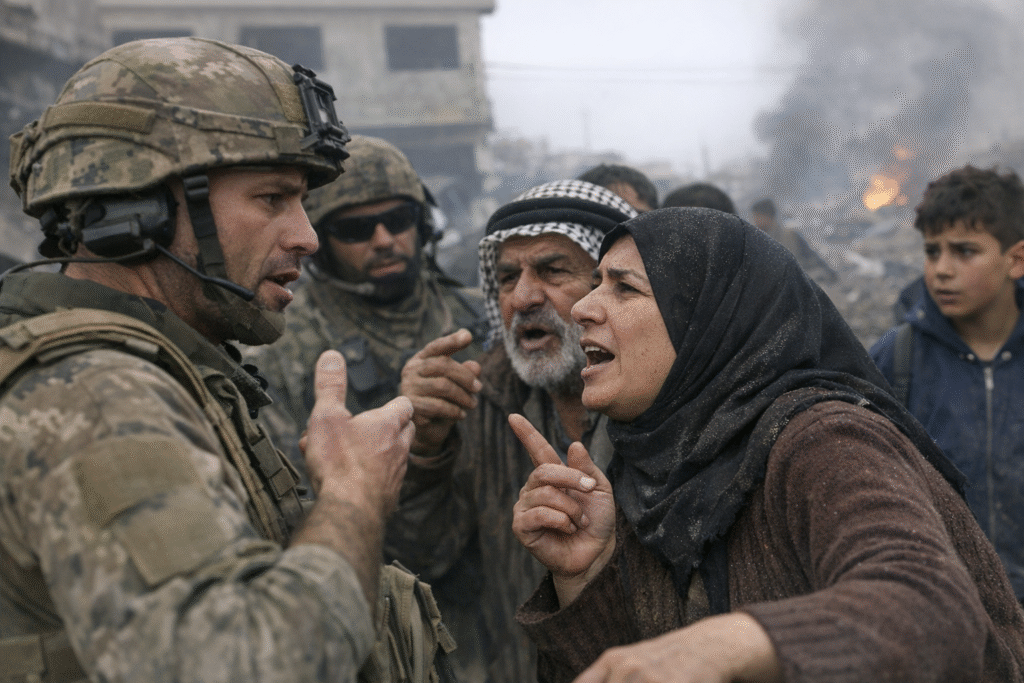
In recent discourse surrounding geopolitical conflicts, the term “genocide” has emerged as a contentious point of debate. An article by Spencer Guard published on Substack titled “The Genocide Slur Is Not Just for Israel Anymore: The World Is Apparently Full of Genocides, According to People Who Have No Idea What That Means” explores the implications of this phenomenon, scrutinizing the misapplication of such a grave term.
Guard’s article delves into the reckless use of “genocide” in modern rhetoric, particularly on social media platforms where complex geopolitical issues are often reduced to simplistic narratives. This trend, as he notes, has diminished the gravity of the term and undermined genuine instances of genocide. The author raises concerns that this casual usage dismisses the historical and legal frameworks established to identify and address true acts of genocide.
The article arguments are particularly relevant in the context of the ongoing Israel-Palestine conflict. Both sides have been accused of negotiating through misinformation campaigns which increasingly involve allegations of genocide. Guard warns that this not only distorts the realities on the ground but also inflames tensions and hinders the path to resolution. By examining how easily such terms are co-opted into political discourse, the author challenges the audience to reconsider how language can shape public perception and policy.
Beyond the Israel-Palestine conflict, Guard highlights several instances globally where similar dynamics are at play, serving as a reminder of how hyperbolic accusations can affect international relations. Calls for accurate language and responsible dialogue resonate throughout the article, reinforcing the notion that words carry immense weight in the shaping of international narratives. According to Guard, misusing terms like “genocide” may ultimately desensitize the global community to genuine atrocities, thereby diminishing the urgency behind international human rights advocacy.
Guard’s perspective invites readers to a broader contemplation of how language impacts geopolitics. By tracing the evolution of genocide rhetoric in public discourse, the article underscores the need for a more thoughtful engagement with such terms. In emphasizing the responsibility of individuals and media alike to adhere to accurate descriptions, it reiterates the power of language to both heal and harm on the international stage.
The article is a poignant reminder of the role journalism and public dialogue play in shaping understanding. It calls for heightened awareness and sensitivity in discourse, urging a return to precision for terms laden with historical significance. As global tensions continue to simmer, the article serves as a rallying cry for clarity, respect, and responsibility in the language of diplomacy and international communication.