Reassessing U.S.-Iran Relations: Towards Understanding
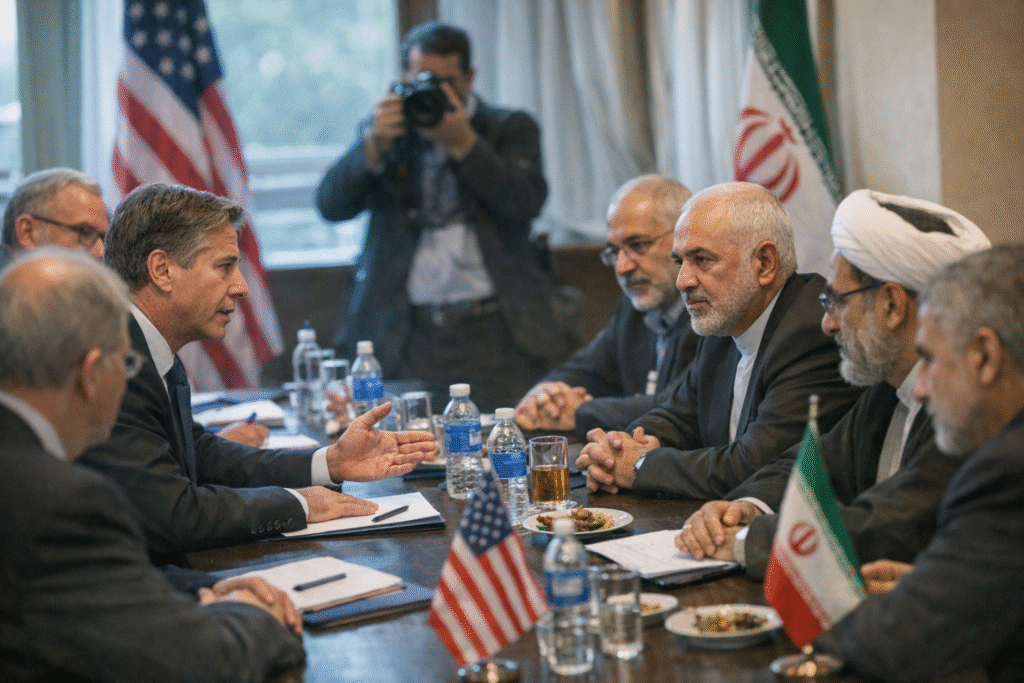
In a detailed analysis titled “Iran’s War on the United States: Did We Stick Our Head in the Sand?” published by Spencer Guard on Substack, the author scrutinizes the complex relationship between the United States and Iran, highlighting the persistent tensions that continue to simmer beneath the surface of global diplomacy. This exploration comes at a time when geopolitical dynamics are increasingly fragile, and the multifaceted interactions between Tehran and Washington remain a focal point of international concern.
The article deftly explores the historical context surrounding U.S.-Iran relations, tracing back decades of distrust and hostility. It argues that consecutive U.S. administrations may have underestimated or misunderstood Iran’s strategic motives and capabilities. Spencer Guard suggests that this lack of insight has sometimes resulted in policy decisions that fail to address the root causes of the enduring conflict.
Iran has continuously sought to fortify its position in the Middle East, and its defiance of Western influence plays a central role in its strategic approach. The piece underscores how Iran’s geopolitical actions have often been interpreted through a skewed lens, one that may oversimplify the country’s intentions and capabilities. This viewpoint, as the article implies, could obscure effective policy-making and exacerbate an already volatile regional situation.
In his analysis, Spencer Guard contends that this tumultuous relationship has been marked by episodic confrontations and a series of misunderstandings. From proxy conflicts and economic sanctions to the contentious nuclear dossier, these elements compound to complicate any attempts at diplomatic rapprochement. The article raises a probing question about whether the U.S. has adequately prepared for the potential outcomes of its hardline stance against Iran.
The potential consequences of this enduring animosity are significant. The article warns that the United States risks missing the broader implications of Iran’s regional aspirations and domestic resilience if it continues to “stick its head in the sand” and ignore the complex realities on the ground. It hints at a need for a recalibrated approach, one that better comprehends the multifactorial nature of the Iranian political and social fabric.
Furthermore, the author calls for acknowledging Iran’s internal dynamics and public sentiment, factors that are essential, yet often overlooked, in devising effective strategies. By doing so, policymakers might achieve a more balanced and nuanced understanding of the motivations driving Iranian actions, particularly in a global landscape where alliances and enmities can shift rapidly.
Ultimately, Spencer Guard’s article on Substack invites policymakers, scholars, and the public to reflect on the long-standing animosity between the two nations. By addressing mistaken perceptions and understanding the intricate layers of Iranian policy, there is a potential opportunity to pivot toward more effective dialogue and conflict resolution. The question remains whether the current trajectory will deliver any breakthroughs or if it will perpetuate a cycle of distrust and confrontation, with unpredictable consequences for the Middle East and beyond.