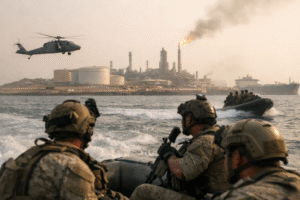
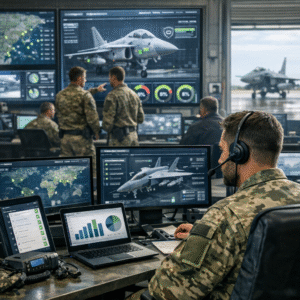
Philippines Launches Major Anti-Invasion Drills in Northern Luzon and South China Sea Amid Rising Regional Tensions
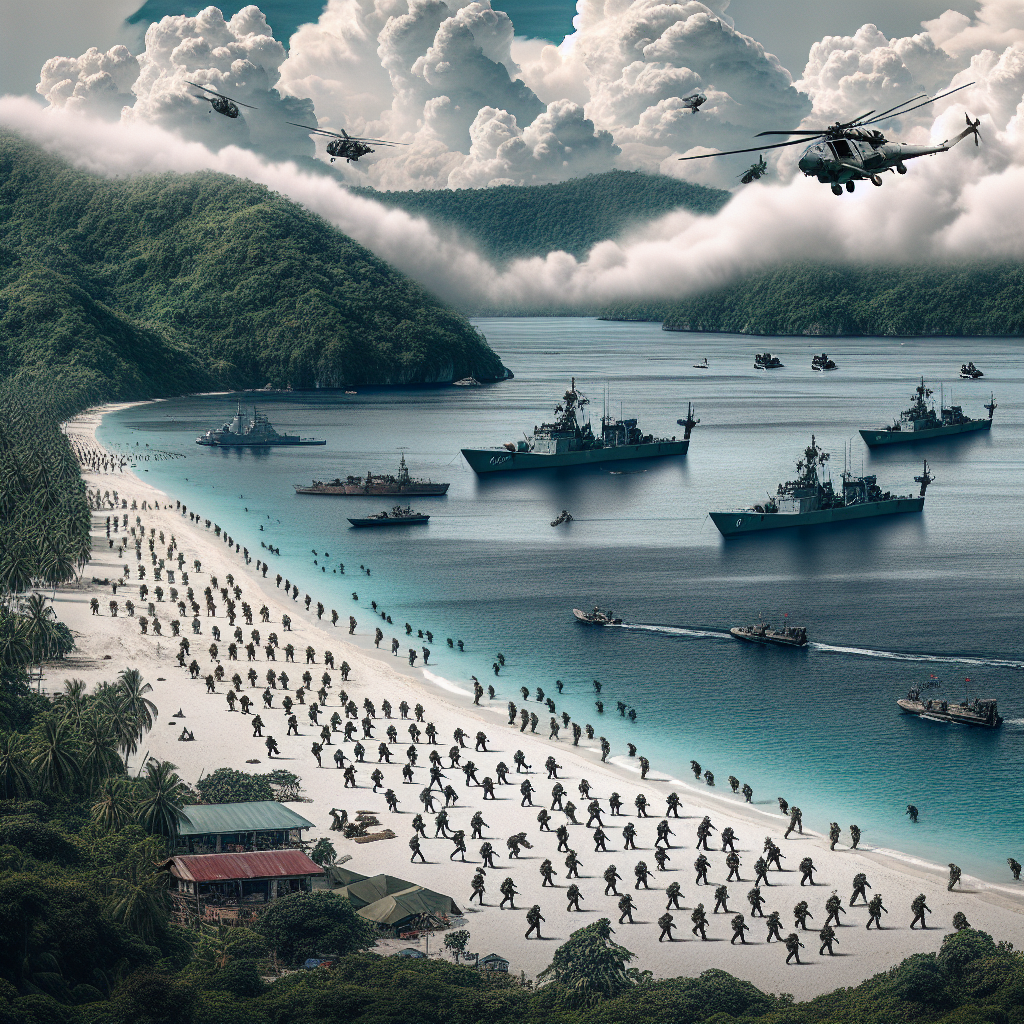
The Philippine military is preparing to conduct anti-invasion exercises in Northern Luzon and the South China Sea, part of a broader strategy to bolster the country’s defense posture amid rising regional tensions. As reported in the article “Philippine Military to Hold Anti-Invasion Drills in Northern Luzon, South China Sea” by USNI News, the operations are designed to test critical response capabilities and strengthen the country’s ability to defend its territory against external threats.
Scheduled to take place later this month, the drills will involve a range of Philippine armed forces units, including the Army, Navy, Air Force, and Marine Corps, with operations focusing on large-scale troop movements, coastal defense, and integrated joint force command. Key activities are expected to include beach landings, live fire exercises, and simulated combat scenarios on the northern tip of Luzon near the Batanes archipelago—adjacent to the strategically sensitive Luzon Strait and in striking distance of Taiwan.
According to Philippine defense officials, the exercises are not directly aimed at any specific country, but are rooted in long-standing territorial defense objectives. Nonetheless, the regional context is difficult to ignore. The South China Sea continues to be a flashpoint for competing maritime and territorial claims, most notably between China and a number of Southeast Asian states, including the Philippines.
Recent confrontations between the Philippine Coast Guard and Chinese maritime forces in disputed waters have helped to underscore Manila’s growing concerns over gray-zone tactics and coercive behavior. These encounters, which have intensified in frequency and scale over the past year, have prompted a reevaluation of defense mechanisms in areas considered particularly vulnerable to incursion.
The upcoming exercises also reflect the evolving security architecture of the Indo-Pacific region. In addition to increasing its own military readiness, the Philippines has strengthened defense cooperation with key partners, particularly the United States. Under the Enhanced Defense Cooperation Agreement (EDCA), U.S. forces now have expanded access to select Philippine military bases, including some located in Northern Luzon.
Defense analysts note that the location of the drills is particularly telling. Northern Luzon faces Taiwan across a relatively narrow sea corridor, making it a geographically strategic node in any potential regional contingency. While official statements from Manila emphasize sovereignty and preparedness, the selection of sites for these exercises is likely to be noted with caution in Beijing.
The Philippine Department of National Defense has emphasized the importance of maintaining peace through deterrence and capability development. Officials argue that the country must be able to defend itself independently, as well as contribute to broader regional stability. Such drills, they say, are not only about external threats but are part of institutionalizing a credible defense posture commensurate with the Philippines’ geographic and strategic realities.
Though not as large as some multinational exercises like Balikatan—held annually with the U.S.—these anti-invasion drills are emblematic of a shifting security mindset in Manila. As strategic competition sharpens across the Indo-Pacific, smaller states such as the Philippines are recalibrating their defense strategies to adapt to an increasingly complex and contested environment.
Whether through capacity-building, enhanced alliance networks, or major exercises like the one now planned, Manila appears determined to play a more proactive role in safeguarding its sovereignty and contributing to regional equilibrium.