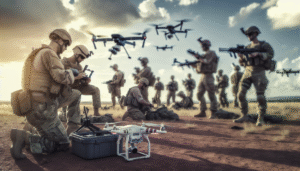
Pentagon, Anthropic Clash Over AI’s Military Role
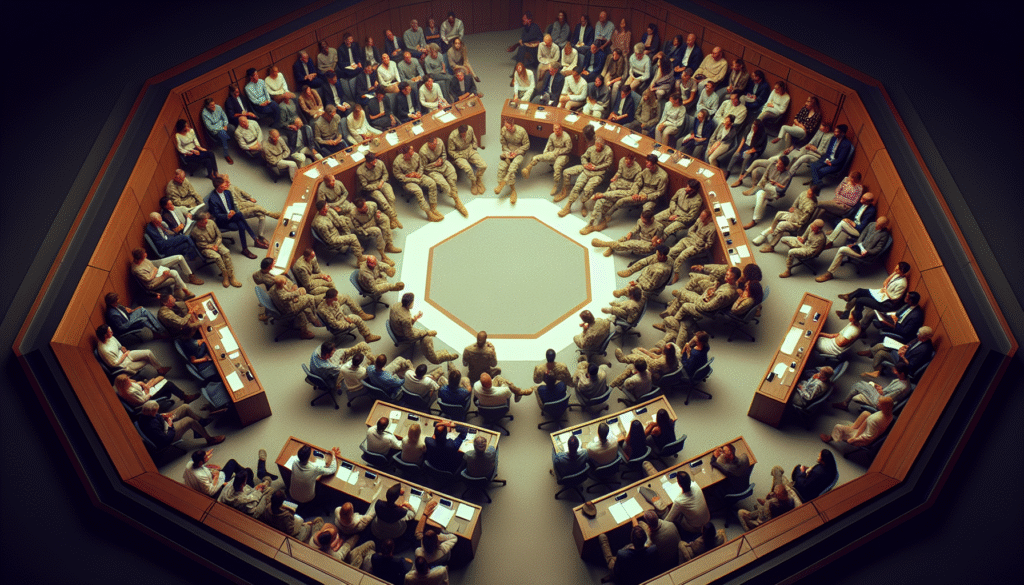
In a recent development that has sparked considerable debate within the defense and technology sectors, the Pentagon’s Chief Technology Officer has voiced strong opposition to artificial intelligence firm Anthropic’s decision to limit military use of its Claude AI system. Breaking Defense reported on February 2026 that the CTO labeled the move as undemocratic. This incident underscores the growing tension between private tech companies and government agencies over AI deployment in military applications.
According to the report on Breaking Defense, the concern centers on Anthropic’s policy to restrict its AI technology from being used in military operations, a stance aligned with the company’s ethical guidelines. This decision has drawn criticism from the Pentagon, which views access to advanced AI technologies as vital to maintaining national security and defense capabilities.
The CTO’s comments reflect a broader frustration within the Pentagon over what it perceives as an increasing trend among tech companies to limit governmental access to cutting-edge technologies. The CTO emphasized the implications of such decisions, contending that by restricting military use, companies like Anthropic inadvertently constrain democratic governments’ ability to defend themselves. The underlying argument suggests that withholding technology from military use could ultimately disadvantage democratically governed nations against authoritarian regimes that face fewer operational and ethical restrictions.
Anthropic, known for its commitment to AI safety and ethical considerations, has maintained that its decision aligns with its mission to prioritize the responsible development and deployment of AI systems. The company believes in placing bounds on the use of its technology to prevent potential misuse and address ethical concerns associated with AI’s military applications. This perspective, however, is not universally accepted, especially within government and defense circles seeking to harness AI’s full potential.
Industry experts believe this conflict is indicative of a larger conversation about the balance between ethical standards in AI development and the geopolitical imperatives of national defense. As governments increasingly rely on technological advancements to enhance their military capabilities, the tech industry’s role in collaborating with defense agencies comes under intense scrutiny. This situation complicates the tech companies’ navigation of ethical responsibilities and national security interests, making it an evolving challenge in the AI era.
The Pentagon’s position highlights the growing importance of establishing open dialogues between technology firms and government agencies to find common ground. As AI continues to transform various aspects of society, including defense, the need for clear frameworks and agreements governing its application becomes increasingly critical. Both private companies and governmental bodies face the challenge of reconciling ethical considerations with practical security needs.
In this context, the ongoing debate over Anthropic’s stances suggests that the intersection of AI ethics and defense is far from resolved. The resolution of this and similar conflicts could shape not only the future of AI in military applications but also the broader relationship between technology firms and state actors in an era defined by technological innovation and ethical dilemmas.