NY Rent Plan Debate Raises Fears for Small Landlords
Concerns are mounting among housing providers and policy analysts over a proposed rental framework championed by New York State Assemblymember Zohran Mamdani, which critics argue could place disproportionate strain on small landlords and reshape the economics of rental housing. The debate, highlighted in the Wall Street Journal article “Mamdani’s Rental Plan Risks Pushing Small Landlords Toward Extinction,” reflects broader tensions in urban housing policy as lawmakers attempt to address affordability amid constrained supply.
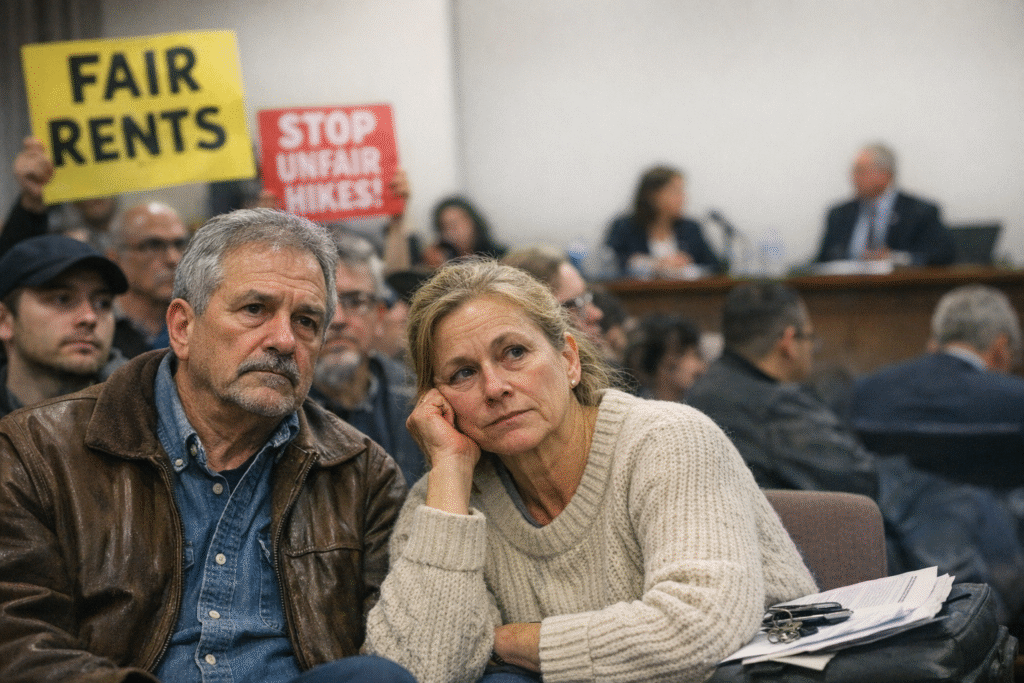
Mamdani’s proposal, which calls for sweeping rent stabilization measures and expanded tenant protections, is framed by supporters as a necessary response to escalating rents and displacement pressures in major cities, particularly New York. By tightening limits on rent increases and reducing avenues for landlords to adjust pricing, advocates say the plan would provide much-needed predictability and security for renters struggling with cost-of-living increases.
However, critics warn that such policies may carry unintended consequences, particularly for smaller property owners who operate with thinner financial margins than large real estate firms. Many of these landlords rely on rental income not only to cover maintenance and property taxes but also to pay down mortgages. Restricting revenue growth, they argue, could make it increasingly difficult to maintain buildings or remain solvent, potentially leading to an exodus of small operators from the market.
According to the Wall Street Journal report, opponents of the plan contend that smaller landlords are uniquely vulnerable because they lack the capital reserves and economies of scale available to institutional investors. As a result, policies designed to protect tenants could accelerate consolidation in the housing sector, with larger corporate owners acquiring properties from distressed individuals.
Housing economists note that while rent control measures can provide short-term relief, they may also dampen incentives to invest in new housing or maintain existing units. Over time, this can exacerbate supply shortages, the very issue such policies aim to address. Some analysts point to historical evidence from cities with strict rent regulations, where aging housing stock and reduced construction have become persistent challenges.
Supporters of Mamdani’s approach dispute these concerns, arguing that the scale of the housing crisis requires more assertive intervention. They emphasize that unchecked rent increases have outpaced wage growth in many urban areas, leaving tenants increasingly vulnerable to displacement. In their view, preserving affordability and housing stability justifies stricter oversight of the rental market.
The debate underscores a fundamental policy dilemma: how to balance tenant protections with the financial viability of housing providers. As cities continue to grapple with rising housing costs, the outcome of such proposals could shape not only tenant experiences but also the structure of property ownership.
Whether Mamdani’s plan advances or is modified through legislative negotiation, it has already intensified discussion around the long-term consequences of rent regulation. As the Wall Street Journal article suggests, the stakes extend beyond immediate affordability, raising questions about who will own and manage rental housing in the years ahead.