Norway Expands Submarine Fleet and Strike Capability
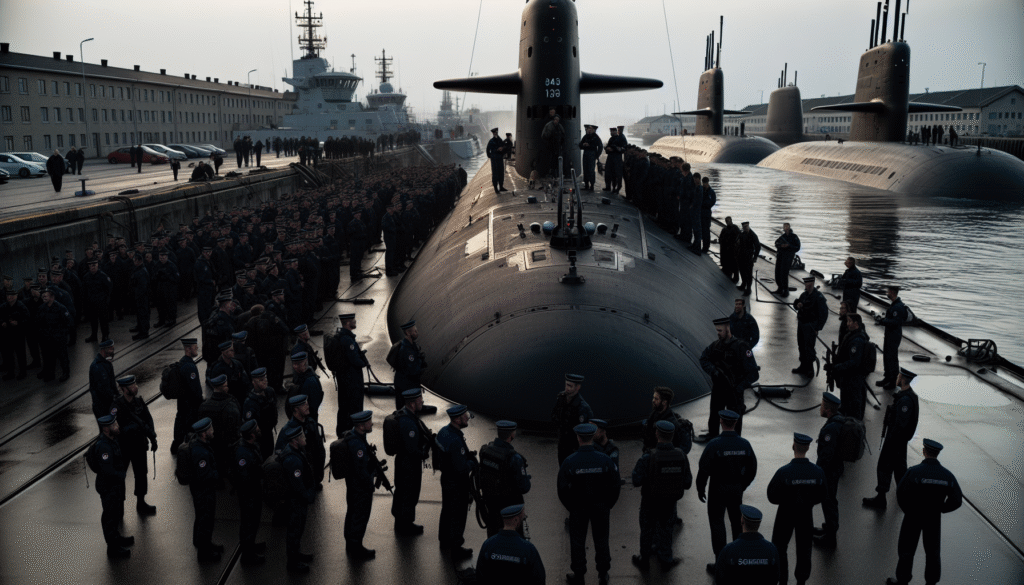
In a move that underscores growing Nordic security concerns and signals a significant boost to national defense capabilities, Norway has announced plans to invest 64 billion Norwegian kroner—approximately $5.9 billion—on the procurement of two additional submarines and new long-range strike capabilities. The decision was reported in an article titled “Norway to spend $6.4 billion on two more submarines, long-range strike” published by Defense News on December 5, 2025.
The acquisition forms part of a broader effort by the Norwegian government to modernize and reinforce its armed forces amid increasing geopolitical tensions in the High North and a rapidly evolving European security landscape. Norway’s Ministry of Defence stated the two new submarines will augment an existing program to replace the current class of Ula submarines, which have been in service since the early 1990s.
Originally, Norway partnered with Germany’s ThyssenKrupp Marine Systems (TKMS) to co-develop and procure four Type 212CD submarines. With this latest decision, Norway’s total order will now rise to six, aligning the size of its future undersea fleet with growing operational demands. This expansion is expected to improve the country’s ability to conduct maritime surveillance, strategic deterrence, and NATO-aligned interoperability.
The first of the Type 212CD submarines is scheduled for delivery in 2029, with the full fleet expected to be operational by 2035. Norway’s minister of defense, Bjørn Arild Gram, emphasized that the new submarines represent “a generational leap in capability” and are essential investments in maintaining sovereignty over national waters, particularly in the Arctic where Russian military presence has grown more assertive.
In tandem with the submarine procurement, the government also confirmed plans to acquire new long-range strike weapons for the Navy’s surface warfare fleet. While specific systems have not been named, there is wide speculation among defense analysts that Norway may seek to bolster its inventory with joint strike missiles or similar precision munitions capable of engaging sea- and land-based targets at extended ranges. These capabilities are intended to complement NATO’s deterrence posture and enhance the Royal Norwegian Navy’s ability to address multidomain threats.
Norway has increased its defense spending significantly in recent years as part of a broader trend among Western nations in response to Russia’s full-scale war in Ukraine and deteriorating global security dynamics. According to Norwegian officials, this latest investment reflects not only national defense priorities but also demonstrates a continued commitment to collective security under the NATO alliance.
While some domestic critics have raised concerns over high costs and potential project delays, the Ministry of Defence maintains that the industrial partnerships formed during the submarine procurement will bring significant economic and technological benefits, including opportunities for Norwegian defense firms and increased collaboration with German shipbuilders.
As security competition in Europe intensifies, Norway’s substantial commitment to upgrading its naval and strike capabilities signals a strategic pivot—prioritizing high-end deterrence, regional situational awareness, and enhanced readiness for future contingencies. The decision further cements the nation’s role as a pivotal contributor to transatlantic security and underscores the growing importance of the North Atlantic and Arctic theaters in global defense planning.