Netherlands Races to Field Mobile Anti-Drone System
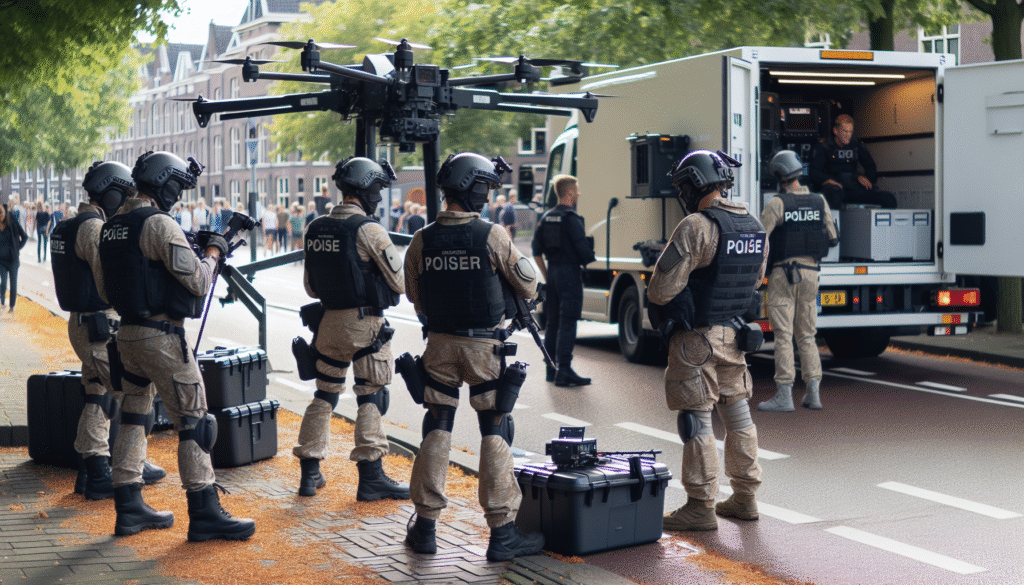
The Netherlands is accelerating the development of an improvised mobile counter-drone system in an effort to address critical gaps in its defense capabilities, according to a report titled “Dutch to cobble together mobile anti-drone system to plug C-UAS hole” published by Defense News.
The initiative, led by the Dutch Defence Materiel Organisation (DMO), reflects growing concern within NATO member states about the rapid proliferation of unmanned aerial systems (UAS) and their use in modern combat scenarios. With drone threats evolving at a pace exceeding traditional procurement cycles, the Dutch Ministry of Defence is pursuing an agile, interim solution aimed at enhancing protection for frontline units.
Rather than waiting for long-term acquisition programs to deliver comprehensive counter-unmanned aircraft system (C-UAS) platforms, the Netherlands is assembling a temporary system from existing and commercially available components. These will be mounted on Boxer armored transport vehicles and other mobile platforms to provide maneuver forces with a basic but functional layer of defense against hostile drones.
The patchwork approach, while unconventional, is emblematic of a broader shift in European defense planning as armed forces attempt to keep pace with technological innovation—particularly the democratization of aerial surveillance and attack capabilities. Military officials have acknowledged the growing use of small drones in conflicts including Ukraine, where low-cost commercial UAVs have been used to devastating effect.
The Dutch Armed Forces’ interim solution will reportedly incorporate electronic warfare technologies capable of detecting, tracking, and disrupting drone signals. A more sophisticated permanent C-UAS platform is still under development and not expected for several years. In the meantime, this stopgap measure is intended to provide immediate support, particularly for expeditionary units operating in volatile environments.
Speaking with Defense News, DMO project manager Eline Bakker underscored the urgency of the project, noting that the ad hoc system is viewed as a necessary bridge to ensure operational readiness while full-spectrum capabilities are being developed.
The Netherlands’ approach aligns with efforts by other NATO allies, many of whom are similarly improvising countermeasures amid rising drone threats. Larger, more integrated systems—such as laser-based interceptors or advanced radar suites—remain years away from widescale deployment.
The scramble to field interim C-UAS solutions reveals a fundamental tension facing modern militaries: the need to balance long-term capability development with short-term adaptability. For the Dutch Armed Forces, the new mobile system is both a tactical necessity and a strategic reminder of the changing nature of warfare in the 21st century.