Navy Flags Serious Safety Risks in V-22 Osprey Fleet
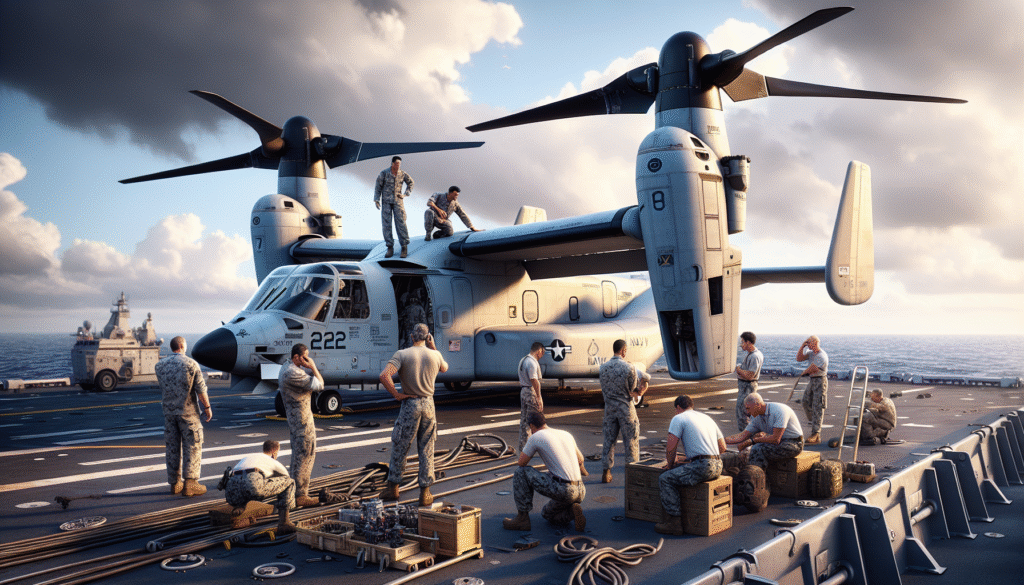
A recent Navy review has uncovered serious concerns regarding the safety and operational integrity of the V-22 Osprey tiltrotor aircraft, warning that the platform may face future catastrophic mishaps if significant mechanical and procedural issues are not addressed. The findings, first reported in the article “V-22 Osprey at risk of more catastrophic mishaps, Navy review finds” by Military Times, underscore longstanding issues plaguing the aircraft’s mishap history and the growing urgency to resolve systemic problems affecting both crew safety and mission readiness.
According to the Military Times report, the review was conducted by Navy aviation safety officials in response to a series of fatal accidents involving the V-22 in recent years. The analysis identifies persistent mechanical failures—most notably within the aircraft’s complex gearbox systems—as leading contributors to multiple crashes. It also points to cultural and organizational shortcomings in the military’s handling of the aircraft’s known risks, including delayed corrective actions and insufficient oversight.
The V-22 Osprey, jointly operated by the Navy, Marine Corps, and Air Force, is a hybrid aircraft capable of vertical take-offs and landings like a helicopter, while cruising at higher speeds like a conventional airplane. Since its deployment in the early 2000s, it has been lauded for its versatility and operational reach. However, it has also been burdened with a troubled safety record, with more than 50 service members killed in crashes involving the aircraft over the past two decades.
The Navy review highlighted an ongoing lack of transparency and communication across services operating the Osprey, noting that key maintenance data and incident analyses were not effectively shared between the Navy, Marine Corps, and Air Force. This information gap, critics say, has contributed to repeated failures in detecting and addressing systemic vulnerabilities in the aircraft’s design and maintenance protocols.
Military Times reported that a particularly concerning aspect of the review centered on the complexity of the V-22’s drivetrain—specifically, the handling of input quill assemblies and the aircraft’s ability to cope with mid-flight system failures. The report emphasized that without structural redesigns or substantial procedural reforms, the Osprey continues to face “a high risk of a catastrophic material failure” during operations.
In response to the review, Pentagon officials acknowledged the issues raised and said they are evaluating potential steps to enhance safety and reliability. Measures under discussion include more rigorous maintenance checks, greater data-sharing between branches, and the possibility of grounding certain aircraft for inspection until critical parts can be replaced or upgraded.
While military leaders have expressed continued confidence in the Osprey’s operational value, there is recognition that reputational and strategic risks could mount if preventable mishaps persist. The Navy review’s conclusions are expected to shape future discussions around funding, modernization plans, and even the Osprey’s long-term viability as a central component of U.S. military aviation.
For now, the V-22 remains a critical asset for troop transport, special operations, and logistics missions across global theaters. But unless the identified issues are addressed swiftly and comprehensively, the aircraft’s future could be defined not only by its innovation but by the dangers that accompany its flight.