“Navy Commands Change: USS Mason Leader Removed”
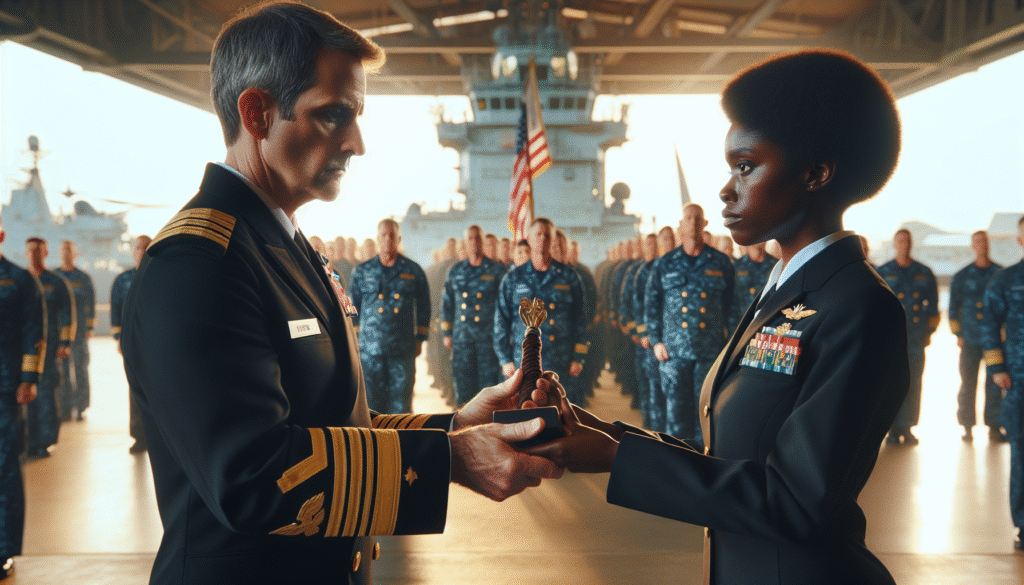
In a recent development that underscores the U.S. Navy’s commitment to maintaining the highest standards of leadership and operational integrity, the commanding officer of the destroyer USS Mason has been relieved of duty. The decision, reported by the Military Times in an article titled “Navy fires commanding officer of destroyer USS Mason,” marks a significant moment for both the vessel and its crew, potentially having broader implications within naval operations.
The Navy cited a loss of confidence in the commanding officer’s ability to lead as the primary reason for this decision. This action reflects the stringent expectations set for those in command, where leadership failures can have far-reaching consequences for the safety and effectiveness of naval operations. The USS Mason, an Arleigh Burke-class guided-missile destroyer, plays an integral role in the U.S. Navy’s capabilities, particularly in enhancing naval presence and ensuring maritime security.
Removing a commanding officer is not a decision made lightly within the Navy’s stringent operational framework, indicating that significant concerns may have influenced this course of action. Such decisions often involve an in-depth examination of leadership, discipline, and adherence to ethical standards expected of those in command positions. It is a process focused not only on individual accountability but also on upholding the institutional integrity of the Navy.
While specific details regarding the nature of the leadership failings have not been disclosed, the measure signals to the Navy’s rank and file that adherence to protocols and leadership standards are non-negotiable. It also serves as an assurance to the public and allied nations of the Navy’s steadfast commitment to operational excellence and accountability. The Navy’s top brass typically reserve relief of command for instances where misjudgments might compromise mission success, personnel safety, or the Navy’s global standing.
The USS Mason’s operational history has seen it participate in various missions, emphasizing its importance within the Navy’s strategic framework. The change in command, therefore, must ensure a seamless transition to maintain the destroyer’s efficacy on deployment and readiness for future assignments. In the coming weeks, the Navy will likely focus on stabilizing leadership aboard the USS Mason to continue its vital contribution to national security.
The incident reiterates the importance of leadership within the military’s ranks, reinforcing a culture where those who lead must embody the values and expectations that military service demands. This development serves as a reminder of the complexities and responsibilities inherent in military command, reinforcing the Navy’s dedication to upholding its principles and safeguarding its professional standards.