Navy Cancels Frigate Program Amid Cost and Delays
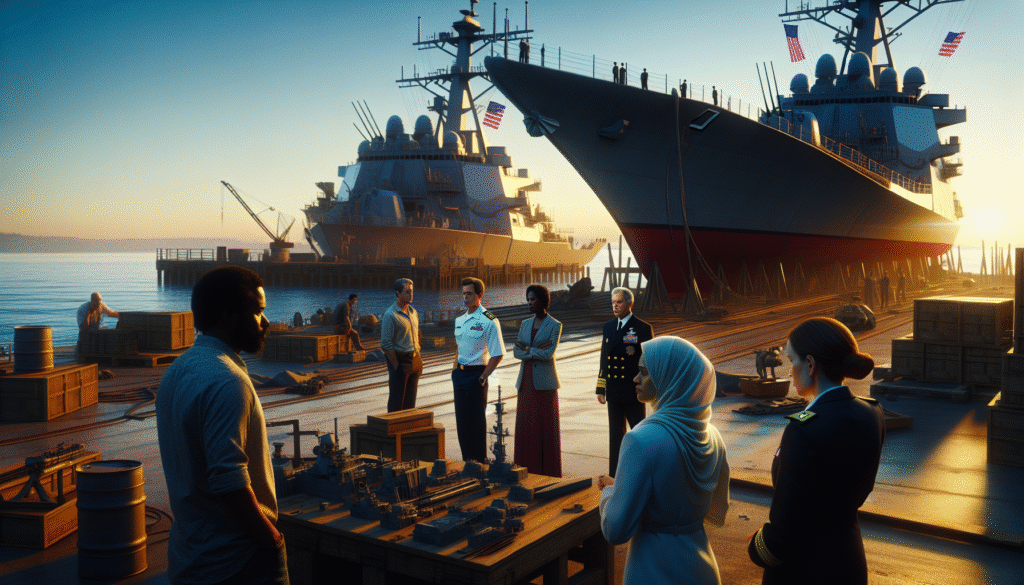
In a decision set to reshape the future of the U.S. Navy’s surface fleet, the Pentagon has cancelled the troubled Constellation-class frigate program, originally envisioned as a cornerstone of the Navy’s modernization strategy. The move, detailed in the article “What The Constellation-class Frigates Cancellation Means For Navy, Fincantieri” published by Breaking Defense, leaves both the Navy and its lead shipbuilder, Fincantieri Marinette Marine, confronting profound strategic and economic consequences.
The cancellation follows years of mounting delays, escalating costs, and growing skepticism over the Navy’s ability to manage the program effectively. Originally awarded in 2020, the $5.5 billion contract for up to 10 guided-missile frigates aimed to produce a versatile, survivable warship capable of distributed lethality operations in contested waters. However, nearly halfway into development, the program fell behind schedule and over budget, triggering critical reviews from the Pentagon and Congress alike.
According to Breaking Defense, the Navy cited insurmountable design complexity issues, unexpected challenges in integrating systems, and schedule slippages that would have jeopardized broader force structure plans. Despite efforts to bring the program back on track — including revised timelines and additional oversight — Defense Department officials concluded that further investment could not guarantee a reliable and cost-effective warfighting platform.
For Fincantieri, the Italian-owned shipbuilder tasked with executing what would have been its most high-profile U.S. Navy contract, the cancellation is a sharp setback. The company had invested heavily in modernizing its Wisconsin shipyard, expanded its U.S. workforce, and retooled production lines to meet Navy specifications. Industry analysts suggest that recouping those investments will now hinge on securing new naval or commercial shipbuilding work, a process that may take years.
The program’s collapse also raises broader questions about the Pentagon’s acquisition framework. Critics have long argued that the shift away from proven designs toward ambitious — and often underdeveloped — capabilities fosters risk-laden engineering and leads to performance shortfalls. The Constellation-class frigate, which was based on an Italian FREMM hull design but significantly altered for U.S. needs, appears to be the latest example of such pitfalls.
Naval leadership has signaled that a replacement strategy will soon be unveiled, potentially reviving interest in alternative ship classes or emphasizing unmanned surface vessels, which are receiving increased attention and funding. In the meantime, the Navy must grapple with force readiness gaps exacerbated by the unexpected withdrawal of a program meant to fill the void between the aging Littoral Combat Ships and more expensive Arleigh Burke-class destroyers.
Lawmakers on the House and Senate Armed Services Committees have requested a comprehensive review of shipbuilding oversight and procurement practices, suggesting that legislative scrutiny may intensify in the months ahead. With strategic competition against China and Russia driving increased maritime focus, the loss of a key acquisition program presents both an operational challenge and a policy inflection point.
The Navy’s evolving fleet composition now rests on decisions yet to be made — choices that will determine not only the future of U.S. maritime dominance but also the industrial base that supports it. As Breaking Defense underscores in its analysis, the cancellation of the Constellation-class frigates leaves the Navy at a critical crossroads: forced to reassess priorities, rebuild trust in acquisition processes, and adapt under pressure.