Minneapolis Protests Ignite National Immigration Debate
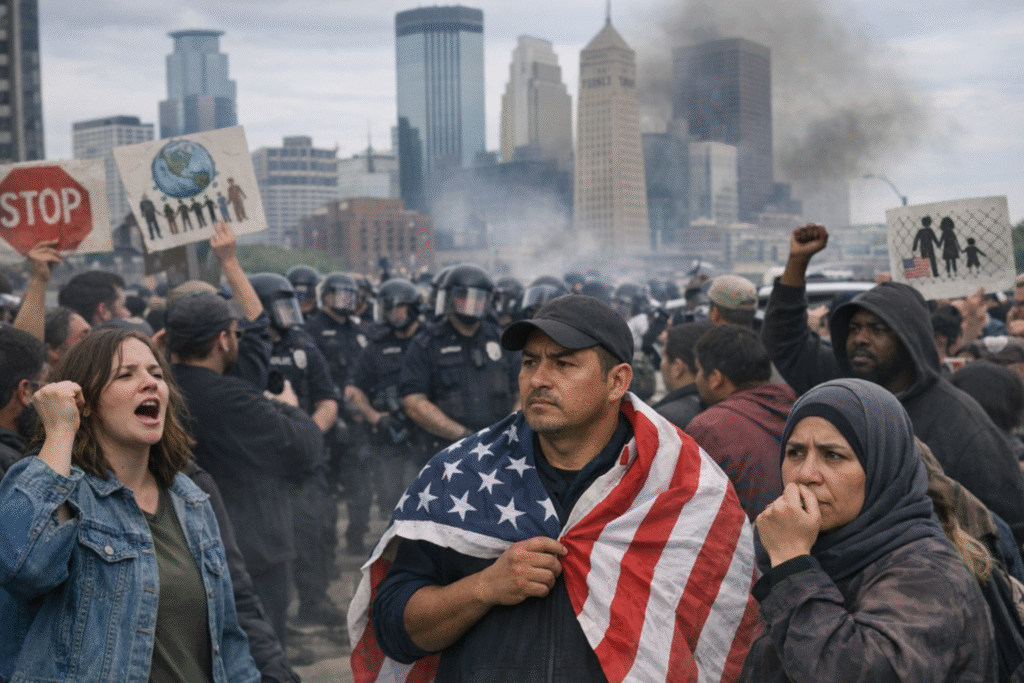
In a recent surge of activism, Minneapolis has found itself at the heart of a growing national debate on immigration policy. As detailed in The Wall Street Journal’s article “Immigration Protests Following Governor Noem’s Remarks,” the city has become a focal point for protests responding to comments made by South Dakota Governor Kristi Noem regarding immigration in the United States.
The protests that have since unfolded in Minneapolis underscore the complex and often contentious dynamics surrounding immigration in the country. Participants in these demonstrations have voiced their opposition to what they perceive as Governor Noem’s discriminatory rhetoric. Her remarks have been criticized by many as exacerbating divisions and failing to address the nuanced realities of immigration, which include the contributions of immigrant communities to the socioeconomic fabric of the nation.
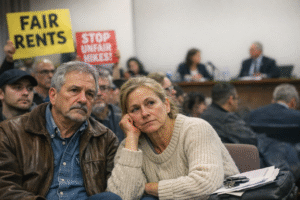
Demonstrators in Minneapolis have organized a series of peaceful assemblies aimed at advocating for more inclusive immigration policies. These gatherings have brought together a diverse coalition of individuals, including community leaders, advocates, and immigrants themselves, who are united in their call for a more compassionate and pragmatic approach to immigration reform.
The protests in Minneapolis reflect a broader national conversation on the role of immigrants in America. Advocates argue that immigrants play a vital role in the economy and cultural landscape, and they stress the need for policies that prioritize humane and equitable treatment of immigrant communities. The response in Minneapolis is indicative of the heightened sensitivity around this issue, as well as the public’s inclination to mobilize in defense of immigrant rights.
Meanwhile, supporters of Governor Noem assert that her remarks shed light on the challenges faced by states due to federal immigration policies they find lacking. They argue that her position is aimed at securing borders and addressing illegal immigration in a manner they believe will benefit the nation as a whole.
This clash of perspectives highlights the ongoing debate on how best to manage immigration in a diverse and dynamic society. As Minneapolis continues to witness these demonstrations, the city becomes a microcosm of the national dialogue—a dialogue that is marked by deeply held beliefs and a shared desire for policies that uphold both security and humanity.
As the nation grapples with its immigration policy, the events in Minneapolis serve as a testament to the powerful role of civic engagement and the enduring debate over the nation’s identity and values. The discussion, intense and multi-faceted, is a reminder of the importance of dialogue, empathy, and an informed approach to policy-making in a global context.