Japan Signals Shift with Defense Tour Near Taiwan
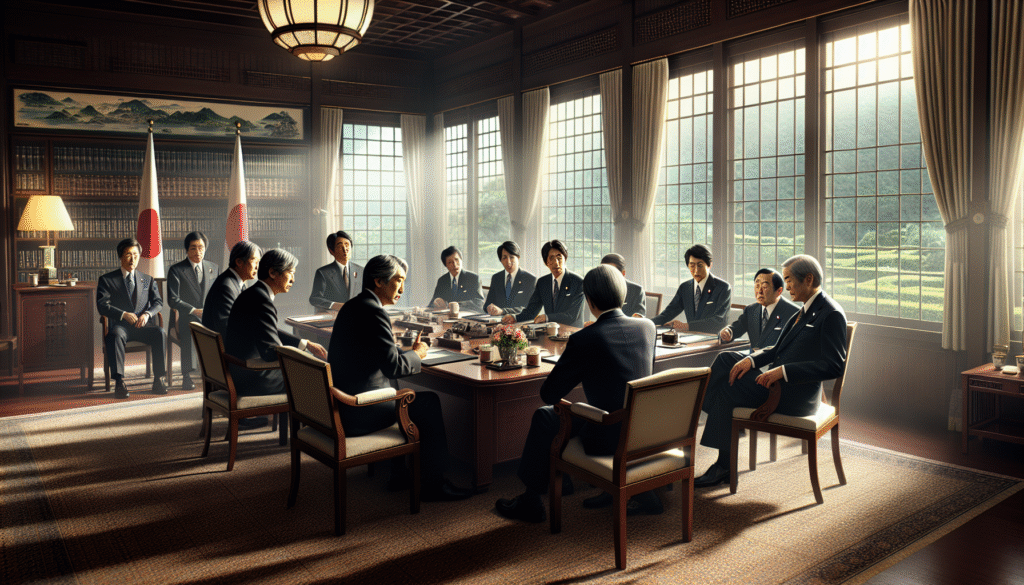
Japanese Defense Minister Kei Koizumi conducted an inspection tour of military installations near Taiwan this week, signaling Tokyo’s growing concern over regional stability and a potential crisis across the Taiwan Strait. The visit, which included key Japanese Self-Defense Force (JSDF) facilities in the southwestern islands, underscores a strategic shift in Japan’s defense posture amid rising tensions with China and deepening military cooperation with the United States.
As reported in “Japanese Defense Minister Koizumi Tours Military Bases Near Taiwan” by USNI News, Koizumi traveled to several military bases in Japan’s Nansei Islands, including those on Yonaguni, Amami Oshima, and Ishigaki. These islands, stretching toward Taiwan’s northern coast, have emerged as focal points in Japan’s efforts to reinforce its defense capabilities in the East China Sea. The tour reflects a widening sense of urgency within the Japanese government to bolster security infrastructure in one of the Indo-Pacific’s most strategically significant corridors.
Speaking to reporters during the tour, Koizumi emphasized the importance of readiness and coordination in light of the evolving regional security environment. While careful not to specify China directly, his remarks aligned with a broader Japanese narrative that frames the Taiwan Strait as critical to both national and regional security. “We must ensure that we can respond swiftly and comprehensively to any situation that arises,” Koizumi stated. His comments echo longstanding concerns among defense planners that any conflict involving Taiwan could rapidly draw in neighboring countries, including Japan.
The inspection coincided with recent joint drills held between the JSDF and U.S. forces in southern Japan, part of a broader set of annual exercises aimed at improving bilateral operability in the event of a conflict. Observers have noted that the expanding scope of these drills—many of which now feature scenarios involving defense of Japan’s remote southwestern islands—reflects Tokyo’s increased vigilance over Chinese military activity in the surrounding areas.
The USNI News article also highlights Koizumi’s meetings with local officials and military personnel, during which he reaffirmed the central government’s commitment to regional defense. Some communities in the Nansei Islands have expressed unease over the growing military footprint, fearing that their proximity to Taiwan may place them at the forefront of any future confrontation. In response, the Defense Minister assured residents that investments in local civil defense and infrastructure would accompany the military enhancements.
Japan’s 2022 National Security Strategy, revised for the first time in nearly a decade, identified the security of the Taiwan Strait as a matter of “national interest.” Since then, the country has pursued a range of measures including increased defense spending, expanded stockpiles of munitions, and new counterstrike capabilities—all widely seen as aimed at deterring aggression by China. Koizumi’s visit sheds further light on the operationalization of these policies, as Japan positions itself alongside the United States and other partners in preparing for contingencies in the region.
While Beijing routinely criticizes such initiatives as destabilizing and accuses Tokyo of inflaming tensions, Japanese officials maintain that their actions are defensive in nature and essential for preserving a free and open Indo-Pacific. As Taiwan continues to face sustained military pressure from China, Japan’s moves illustrate a shift from strategic ambivalence to proactive engagement, underscoring its growing role in regional security.
In the coming months, more joint exercises and logistical upgrades are expected across Japan’s outlying islands. Koizumi’s visit may mark a quiet but significant milestone in Japan’s evolving defense doctrine—one increasingly shaped by the uncertainties in the Taiwan Strait and the broader geopolitical landscape it informs.