Japan Moves to Allow Exports of GCAP Fighter
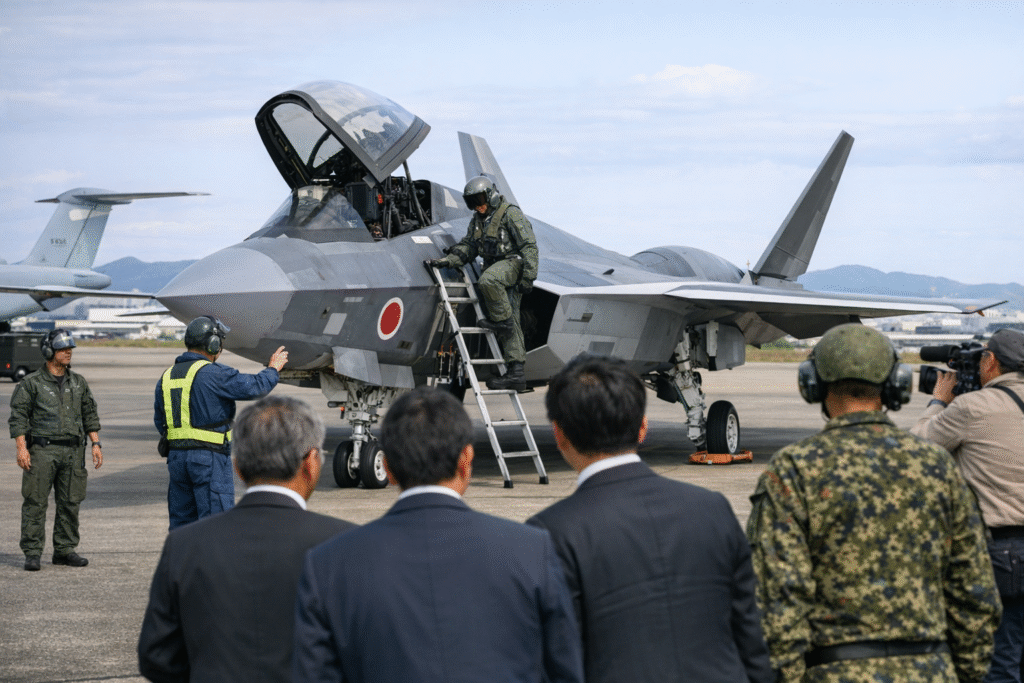
Japan is pressing ahead with regulatory changes to enable exports of its next-generation fighter aircraft despite uncertainty about the pace of development of the multinational program behind it, according to a recent report by Defense News titled “Japan shrugs off GCAP delays, fast-tracks export rules for future warplane.”
The fighter, being developed under the Global Combat Air Programme (GCAP) by Japan, the United Kingdom, and Italy, is intended to enter service by 2035 and replace aging aircraft in the three countries’ air fleets. The ambitious project aims to deliver a sixth-generation combat aircraft equipped with advanced sensors, networking capabilities, and uncrewed teaming functions. However, concerns have circulated among analysts and officials about whether the complex multinational effort can meet its timeline.
Despite those concerns, Japanese policymakers appear determined to move forward with preparations for future sales abroad. As described by Defense News, Tokyo is accelerating efforts to clarify how the aircraft could be exported once it enters production. The move reflects a significant shift from Japan’s traditionally restrictive defense export policies, which for decades limited the overseas sale of domestically produced weapons.
The policy adjustments are part of a broader transformation in Japan’s security posture. Facing a rapidly changing regional environment and rising military pressure from China and North Korea, Tokyo has steadily eased rules governing defense exports and international cooperation in recent years. Officials argue that enabling exports helps spread development costs among partners and strengthens Japan’s defense industrial base, while also deepening security ties with like-minded countries.
Under emerging guidelines being discussed in Japan, exports of the GCAP fighter could be allowed to third-party countries that meet certain security and political criteria. Defense News reported that Tokyo’s efforts are aimed at establishing the legal and regulatory framework long before the aircraft becomes operational, ensuring that sales opportunities are not delayed by domestic procedures.
The potential export market is widely seen as critical to the program’s long-term viability. Sixth-generation fighter development requires vast investment, and broader international orders could help reduce unit costs for partner nations while making the aircraft more competitive globally. At the same time, Japanese leaders must balance commercial ambitions with domestic sensitivities around arms transfers, an issue that continues to draw scrutiny in parliament and among the public.
Even as questions remain about schedule pressures within GCAP, Japan’s decision to expedite export rules signals confidence in the project’s strategic importance. By aligning defense policy, industry planning, and international partnerships well before the aircraft’s expected debut, Tokyo appears determined to ensure the future warplane becomes both a cornerstone of national defense and a symbol of Japan’s expanding role in the global security landscape.