Japan Approves Record Budget to Boost Defense Forces
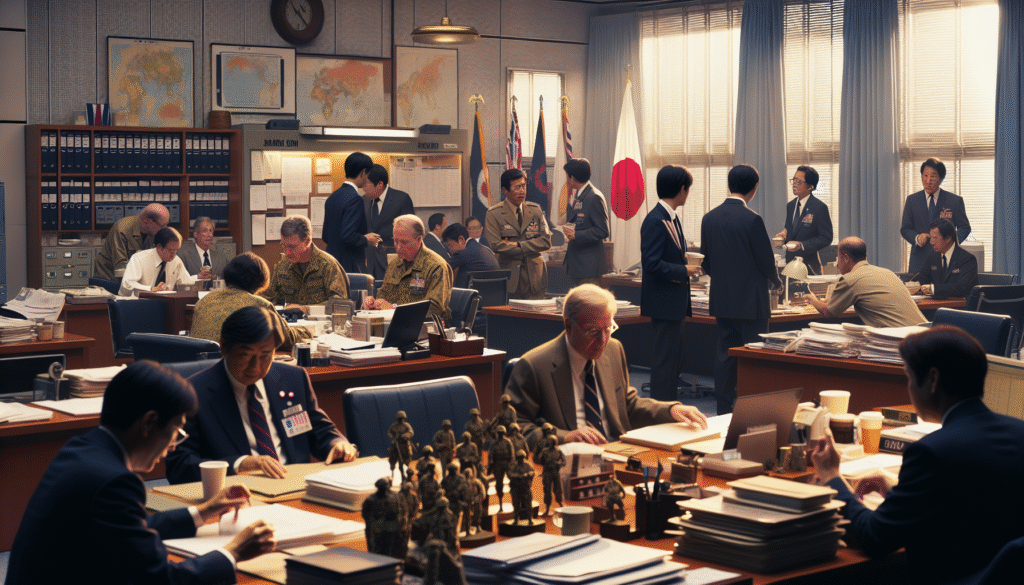
Japan’s Cabinet has approved a record-breaking defense budget for the upcoming fiscal year, signaling a significant escalation in its military modernization aimed at countering regional security challenges, particularly those posed by China. The decision, detailed in a December 26 article titled “Japan’s Cabinet OKs Record Defense Budget That Aims to Deter China” by Defense News, reflects Tokyo’s ongoing shift from its traditionally pacifist defense posture toward a more proactive national security stance.
The budget, amounting to 7.95 trillion yen ($55.9 billion), represents the second year of Japan’s ambitious five-year defense strategy unveiled in 2022, which seeks to double defense spending to about 2 percent of GDP by 2027. That target would bring Japan’s military expenditure more in line with NATO standards, reflecting concern among Japanese policymakers about increasingly assertive Chinese actions in the East and South China Seas, growing military activity near Taiwan, and frequent incursions near Japan’s southwestern islands.
Among the major initiatives funded in the budget are accelerated development of counterstrike capabilities, including the acquisition of Tomahawk cruise missiles from the United States, expanded missile defense systems, and enhancements to cyber and space defense units. Japan also plans to upgrade air and naval bases and continue work on its sixth-generation fighter jet program, developed jointly with the United Kingdom and Italy. These investments underscore Tokyo’s intent to bolster both deterrence and readiness amid a more hazardous security environment.
A substantial share of the budget will go toward infrastructure improvements to support deployments in Japan’s southwest region—an area perceived as particularly vulnerable to potential Chinese aggression. This includes hardening facilities against missile attacks and expanding logistics and ammunition storage capabilities, a notable pivot from past approaches centered more on homeland defense than forward-deployed resilience.
The budget comes amidst broader regional tensions, especially as Beijing continues to ramp up military sorties near Taiwan and assert territorial claims in disputed maritime domains. While Japan has maintained a constitutional commitment to pacifism since the end of World War II, these developments have spurred a reexamination of defense policy, sanctioned by public opinion increasingly supportive of a more robust security apparatus.
Nonetheless, the move has not been without controversy. Domestically, concerns persist over the social and economic trade-offs of increased defense spending, particularly at a time when Japan faces significant fiscal pressures from its aging population and massive public debt. Additionally, critics fear that the rapid expansion of offensive capabilities could exacerbate regional tensions or be perceived as a departure from Japan’s peace-oriented diplomacy.
Internationally, however, allies such as the United States have welcomed Japan’s defense overhaul as a crucial step toward greater burden-sharing in the Indo-Pacific. Washington views Japan as a linchpin in countering China’s influence and has praised Tokyo’s commitment to modernizing its Self-Defense Forces into a more strategically flexible and resilient force.
As detailed in the Defense News report, Japan’s record budget for fiscal 2025 marks a decisive move in the reconfiguration of its strategic posture. It provides a clear indication that Japan is preparing to play a more assertive role in regional security at a time of intensifying geopolitical competition.