Japan and South Korea to Resume Joint Military Drills
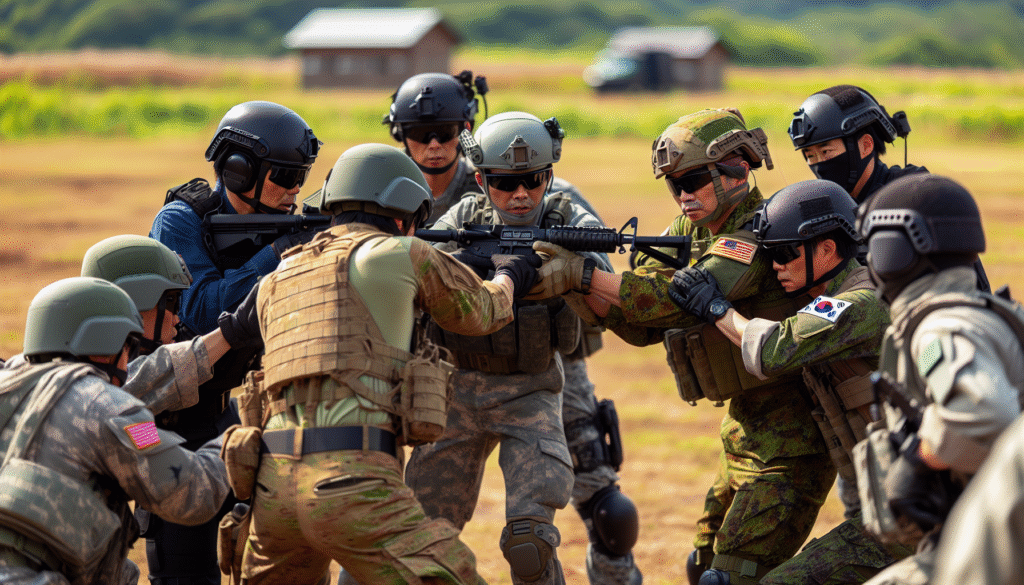
Japan and South Korea have agreed to resume joint military drills for the first time in nearly ten years, signaling a substantial thaw in a long-strained bilateral relationship and renewed regional cooperation in response to growing security concerns in Northeast Asia. The decision, reported in the USNI News article “Japan and South Korea Agree to Resume Joint Drills Halted Nearly One Decade Ago,” underscores a broader commitment by both governments to reinforce defense ties amid escalating threats from North Korea and a more assertive Chinese military posture.
According to a joint statement issued by the defense ministries of Tokyo and Seoul, the two nations will restore combined military exercises previously halted in 2016 amid worsening diplomatic tensions. These exercises—once regular occurrences between the regional allies—were suspended due to historical grievances tied to Japan’s colonial rule of Korea and subsequent disputes that extended into the political, trade, and security realms.
The resumption of joint drills was finalized on the sidelines of a trilateral defense meeting with the United States, further highlighting Washington’s role in facilitating reconciliation and trilateral security coordination in the region. U.S. officials have frequently emphasized the strategic importance of strong ties between its Northeast Asian allies as essential to counterbalancing adversaries and maintaining regional stability.
Military officials from both countries stated that the renewed exercises will involve both naval and air force units and aim to bolster interoperability and readiness in areas such as missile defense and maritime security. A specific timeline and scope of the drills are expected to be announced later this year, with planning already underway for initial staff-level coordination meetings.
The agreement signals a pragmatic alignment in light of shared security challenges, particularly North Korea’s continued development of advanced ballistic missile systems and its growing nuclear arsenal. In recent months, Pyongyang has carried out a series of provocative missile tests, including the launch of intercontinental ballistic missiles capable of reaching targets across the Pacific. Both Japan and South Korea view such developments as direct threats and see enhanced military integration as a necessary countermeasure.
Geopolitical tensions in the wider Indo-Pacific have also reinforced the urgency of closer defense ties. China’s growing naval presence—particularly in the East China Sea and around the Taiwan Strait—has spurred calls from defense analysts and policymakers alike for greater coordination among likeminded nations. Tokyo and Seoul now appear increasingly willing to set aside historical disputes in pursuit of enhanced strategic cooperation.
The renewed military collaboration builds on a broader trend of rapprochement between the two countries under South Korean President Yoon Suk-yeol and Japanese Prime Minister Fumio Kishida. Since taking office in 2022, President Yoon has prioritized restoring ties with Japan, framing tighter cooperation as essential to safeguarding national security and promoting long-term regional peace.
While historical grievances remain a sensitive subject for many in both countries, recent diplomatic efforts have focused on forward-looking initiatives. High-level summits, economic partnerships, and shared intelligence programs have all seen reinvigoration in the past year, culminating in the trilateral summit between the U.S., Japan, and South Korea at Camp David in 2023.
As stated in the USNI News report, the forthcoming joint drills will mark the first bilateral exercises since 2016, highlighting a significant policy shift driven by evolving threat perceptions and sustained diplomatic engagement. The road to reconciliation remains complex, but the renewed military collaboration suggests Tokyo and Seoul are increasingly prioritizing unity in the face of shared national security imperatives.