Iran Strategy May Push Arab States Closer to Israel
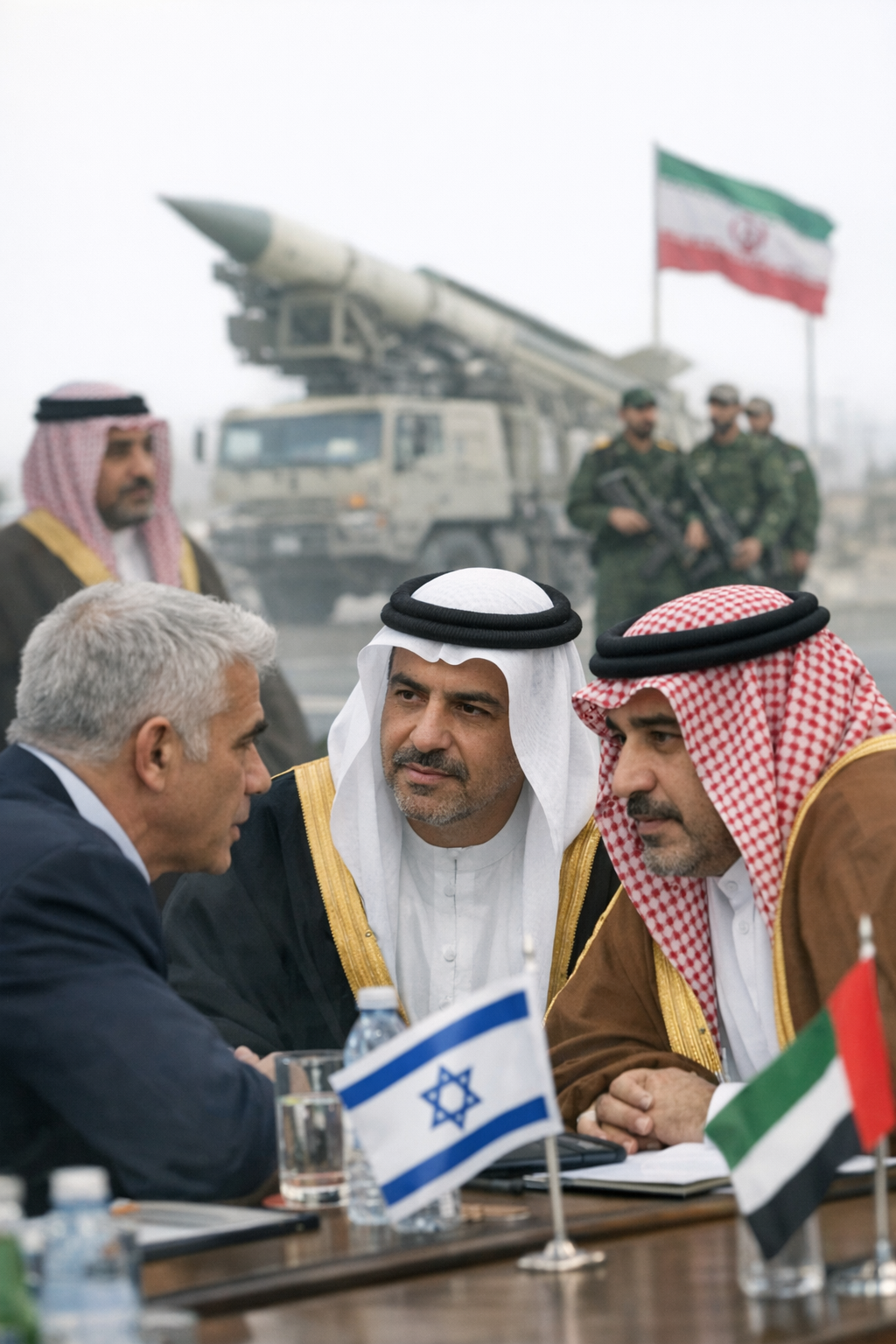
An article published by The Daily Wire, titled “Iran Tried To Drive Wedge Between Israel, Muslim World. It May Be Doing The Exact Opposite,” argues that Tehran’s recent efforts to inflame divisions between Israel and Muslim-majority nations may be producing unintended geopolitical consequences. Instead of isolating Israel, some analysts suggest Iran’s actions are accelerating quiet alignment between Israel and several regional actors who share concerns about Iranian influence.
According to the report, Iran has long sought to position itself as a leading opponent of Israel, using rhetoric and regional proxies to amplify tensions. This strategy has included backing militant groups and encouraging political narratives aimed at widening the gap between Israel and Arab or broader Muslim nations. However, the Daily Wire article contends that shifting regional priorities—particularly shared security concerns—are complicating that objective.
In recent years, normalization agreements and informal cooperation between Israel and several Arab states have signaled a recalibration of alliances in the Middle East. While public opinion in many countries remains sensitive to the Israeli-Palestinian conflict, governments facing economic pressures, security threats, and concerns over Iran’s regional ambitions have shown increasing willingness to engage with Israel, whether openly or through quieter diplomatic channels.
The Daily Wire report suggests that Iran’s confrontational posture may be reinforcing this trend. By expanding its influence through proxy groups and regional interventions, Tehran has heightened unease among neighboring states. That unease, in turn, has contributed to a convergence of interests among countries that might otherwise remain politically distant from Israel.
At the same time, the situation remains fluid and complex. Any escalation involving Israel and Palestinian territories or wider regional conflict risks reversing diplomatic gains and reigniting popular opposition to normalization. Governments balancing domestic sentiment with strategic interests continue to navigate a delicate political landscape.
The Daily Wire’s article ultimately frames Iran’s strategy as potentially counterproductive, arguing that efforts to deepen regional divisions could instead be encouraging coordination among states wary of its growing assertiveness. Whether this dynamic leads to lasting realignment or proves temporary will depend on the trajectory of regional conflicts and the capacity of governments to sustain cooperation amid ongoing tensions.