Iran Faces Unrest Amid Currency Collapse and Crisis
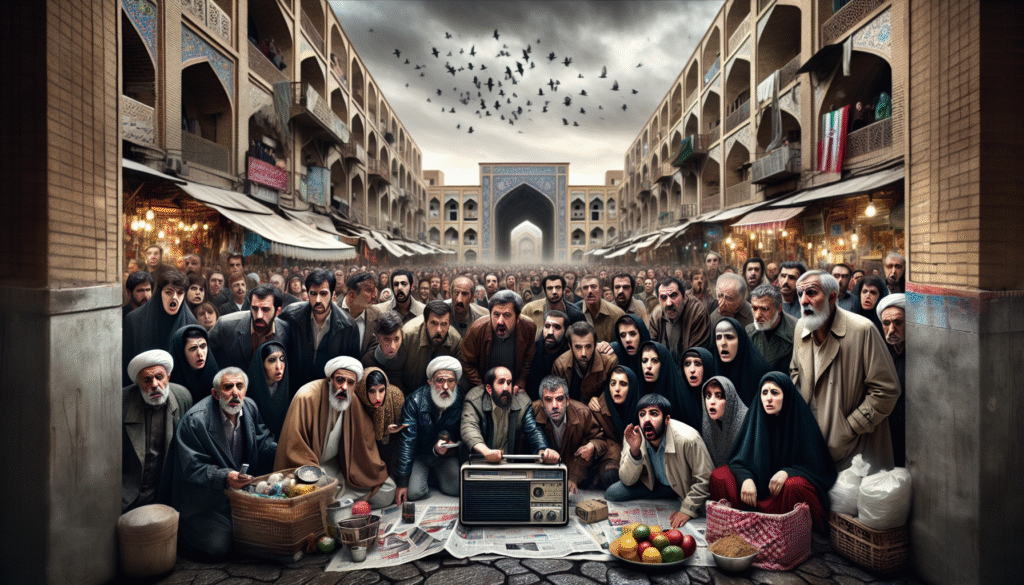
A sharp and sustained devaluation of Iran’s currency has sparked widespread civil unrest across the country, as mounting economic pressures converge with long-standing dissatisfaction with the ruling regime. The Iranian rial has plunged to historic lows in recent weeks, intensifying public anxiety over inflation, unemployment, and access to basic goods. In the streets of Tehran and other major cities, demonstrators have gathered in growing numbers, chanting anti-government slogans and demanding political change.
According to a report published by The Daily Wire titled “Tehran in Turmoil: Iran’s Currency Collapse Triggers Civil Unrest, Anti-Regime Protests,” the economic crisis has deepened significantly, spurred by international sanctions, systemic corruption, and government mismanagement. The report documents a wave of public demonstrations in response to skyrocketing prices and a deteriorating quality of life, with protesters voicing dissatisfaction not only with the economy but with the clerical leadership itself.
The Iranian government has responded to the unrest with increased crackdowns, deploying security forces to suppress protests and detain activists. Despite these efforts, civil disobedience appears to be spreading, with reports of merchants closing their shops in defiance and labor unions expressing solidarity with demonstrators. Social media videos, though heavily censored, show confrontations between citizens and riot police, suggesting an escalation in tensions.
This latest round of public discontent reflects deeper structural challenges facing the Islamic Republic. Years of sanctions, particularly those reimposed by the United States after the withdrawal from the 2015 nuclear agreement, have stifled Iran’s oil exports and cut off access to the international banking system. While Iranian officials blame foreign pressure for the country’s economic woes, critics both within and outside the country point to internal dysfunction, widespread corruption, and opaque governance as primary drivers of the crisis.
The unrest comes at a sensitive time for the regime, which has been attempting to reengage with global powers to revive talks over its nuclear program. However, the growing instability on the home front may complicate diplomatic outreach and further alienate Tehran from key international stakeholders. At the same time, rising public frustration appears to be fueling a broader call for political reform, signaling a potential shift in grassroots sentiment that extends beyond economic grievance.
While the regime has survived past waves of protest, including the mass demonstrations of 2009 and again in 2019, analysts warn that the current unrest is more diffuse and more deeply tied to daily survival. With the value of the rial collapsing and citizens struggling to afford food, medicine, and housing, the government faces mounting pressure to offer meaningful policy responses—something that may be difficult to deliver amid increasing isolation.
As protests continue, the question remains whether Iran’s leadership will attempt to negotiate with its populace or lean further into repression. Either path carries significant risks. For now, the turmoil on Tehran’s streets stands as a potent reminder of the limits of authoritarian resilience in the face of deepening economic despair.