Iran Declares Itself at War With US Israel and Europe
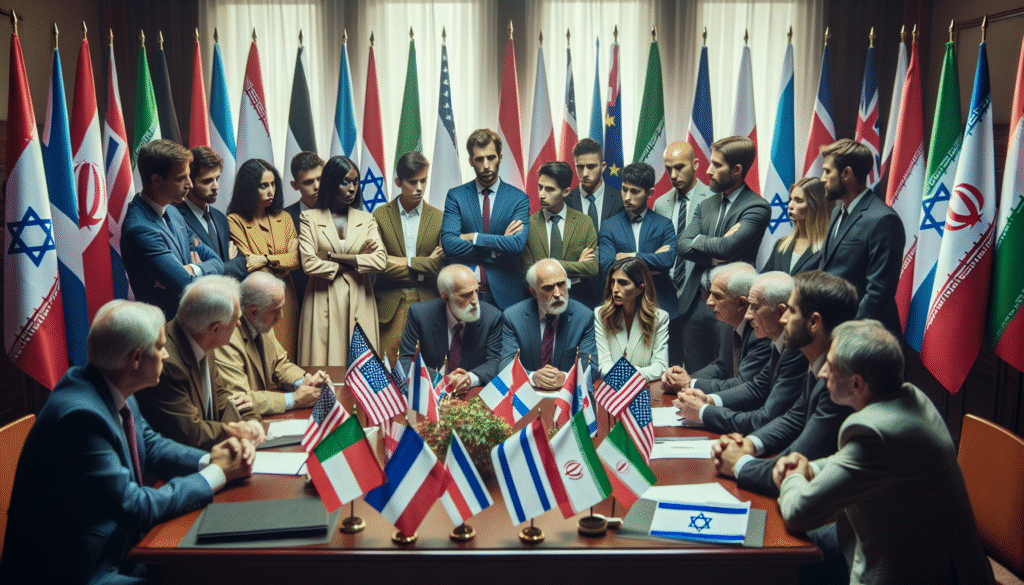
Iran’s Supreme Leader Ayatollah Ali Khamenei declared this week that the nation is engaged in a “full-fledged war” with the United States, Israel, and parts of Europe—a stark escalation in rhetoric that underscores mounting regional and global tensions. The comments, which were made during a televised address in Tehran, reflect a deepening confrontation between Iran and a growing array of foreign powers amid recent military and diplomatic developments.
According to the article titled “Iran leader says country in ‘full-fledged war’ with US, Israel, Europe,” published by Defense News, Khamenei accused Western governments of engaging in hybrid warfare against Iran. He cited cyber attacks, economic sanctions, and what he termed psychological operations as part of a broader campaign designed to undermine the Islamic Republic. Khamenei’s speech marks one of the most explicit acknowledgments to date by an Iranian official of the scale and intensity of its perceived conflict with Western states.
The Supreme Leader’s remarks arrive at a moment of heightened volatility in the Middle East. Israel’s ongoing military operations in neighboring countries, tensions in the Red Sea involving Iranian-backed Houthi militants disrupting international shipping routes, and a breakdown in nuclear negotiations with the West have pushed Iran’s relations with global powers to their lowest point in years.
U.S. officials have not formally responded to Khamenei’s statement, though the Pentagon has recently increased its military presence in the region in response to attacks on American interests by Iran-aligned proxy groups. European leaders have also expressed concern over Iran’s uranium enrichment activities and its crackdown on domestic dissent.
Iran’s framing of the current situation as a state of war, especially one involving psychological and economic fronts, may serve multiple purposes. Domestically, it reinforces a narrative of resistance and external threats that has long been central to the Islamic Republic’s political identity. Internationally, it could be aimed at deterring military escalation or justifying future defensive actions.
Khamenei’s address also included a broadside against countries he accused of fomenting unrest within Iran. “They conduct psychological operations and spread lies to destroy the people’s confidence in the Islamic system,” he said, reiterating long-standing accusations that foreign intelligence services have played a role in recent protests and political opposition.
The remarks suggest that Iran sees its current standoff not merely as a series of isolated disputes but as a systemic confrontation with what it perceives as a hostile international order. As regional tensions continue to intensify, analysts warn that the risk of miscalculation or escalation—either through direct conflict or through proxy engagements—remains significant.
The path forward remains uncertain. With diplomatic backchannels reportedly narrowing and neither side showing a willingness to compromise, the rhetoric of “full-fledged war” could move beyond metaphor if cooler heads do not prevail. As 2026 approaches, the next steps taken by Iran, the United States, and its allies may determine whether the current standoff can be defused—or whether it will deepen into a more dangerous and prolonged crisis.