Iran Conflict Shakes Gulf Safe Haven Image
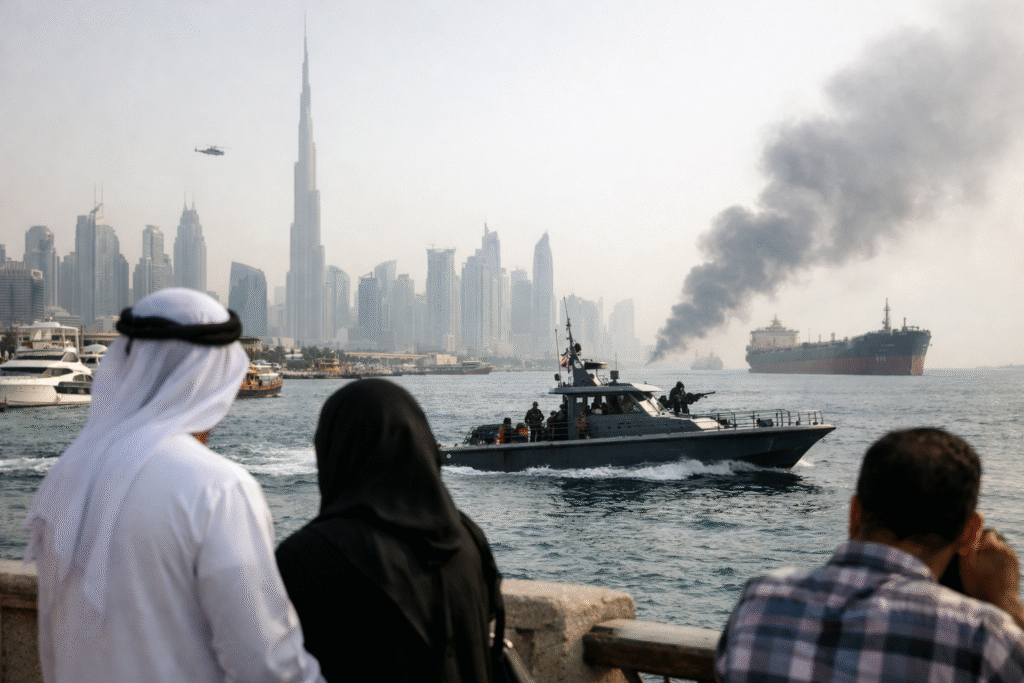
A growing sense of uncertainty is reshaping perceptions of the Persian Gulf as a refuge for wealth and stability, according to recent reporting by The Wall Street Journal. In an article titled “How the Iran War Unraveled the Gulf’s Image as a Luxurious Safe Haven,” the newspaper describes how escalating conflict involving Iran has shaken the carefully cultivated reputation of Gulf cities such as Dubai, Abu Dhabi, and Doha as secure havens for international capital, expatriates, and global tourism.
For more than a decade, the Gulf’s major urban centers positioned themselves as islands of predictability in a volatile region. Governments invested heavily in luxury real estate, financial hubs, and tourism infrastructure while promoting strict internal security and political stability. The strategy paid off, drawing investors, multinational firms, and large numbers of affluent migrants seeking both opportunity and personal safety.
That image has been increasingly strained as regional tensions intensified and military confrontations involving Iran disrupted trade routes and heightened fears of broader instability. According to The Wall Street Journal’s reporting, the conflict has exposed the Gulf’s geographic proximity to geopolitical flashpoints that cannot easily be insulated from international crises. Missile threats, concerns about shipping in strategic waterways, and the possibility of retaliatory strikes have introduced new risks into economies that rely heavily on openness, travel, and global confidence.
Businesses and investors have begun quietly reassessing their positions. Some companies have explored contingency plans that include relocating staff or adjusting regional operations. Real estate markets, long buoyed by foreign buyers seeking secure offshore assets, have also experienced signs of caution as potential purchasers weigh the durability of the Gulf’s promise of stability.
Tourism, another pillar of the region’s global brand, has faced particular vulnerability. Gulf destinations invested billions in transforming themselves into luxury travel centers hosting international events, cultural attractions, and high-end hospitality. Yet the perception of conflict nearby—even when direct attacks are limited—can quickly reshape travel decisions and insurance calculations, threatening one of the region’s most carefully nurtured industries.
Governments across the Gulf have responded by emphasizing resilience and security. Officials continue to highlight advanced defense partnerships, internal stability, and their ability to protect business activity even amid regional turmoil. Major infrastructure and development projects have moved forward, signaling confidence that long-term economic diversification plans remain intact.
Still, the situation underscores a delicate balance. As The Wall Street Journal noted in “How the Iran War Unraveled the Gulf’s Image as a Luxurious Safe Haven,” the region’s prosperity is deeply intertwined with its reputation as a stable crossroads for finance and travel. When conflict disrupts that perception, even temporarily, it reveals how quickly global confidence—so central to the Gulf’s economic model—can come under strain.