“Historic City Becomes Focal Point in U.S.-Israel Air Conflict”
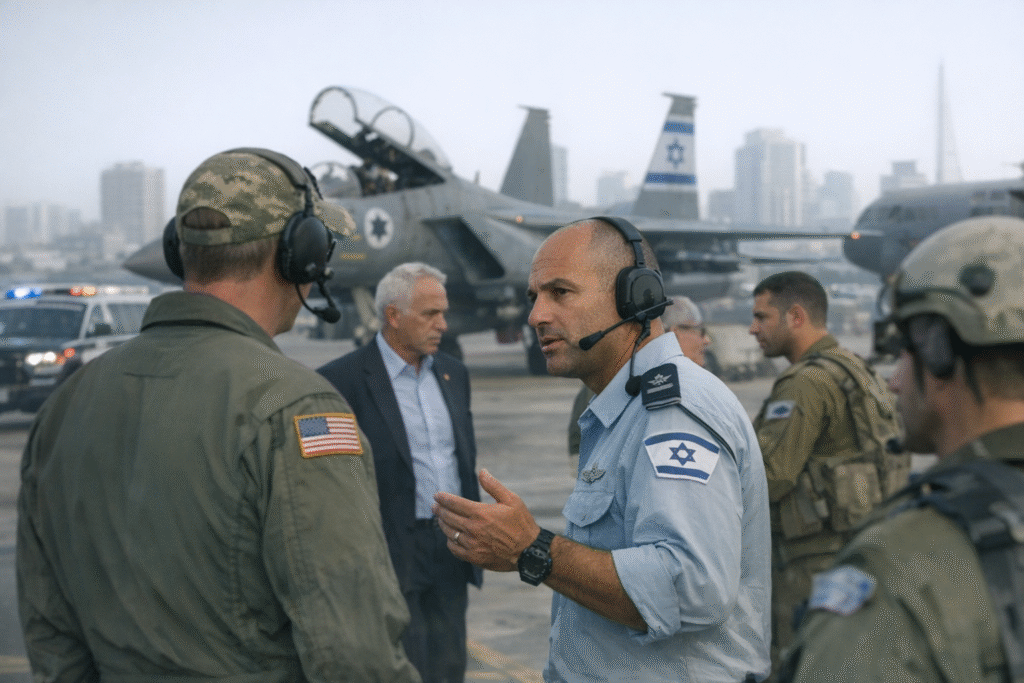
Iran’s historic capital city has recently emerged as a focal point in the clandestine air war involving the United States and Israel, as reported by the Wall Street Journal in their article “Iran’s Historic Capital is Ground Zero for the U.S.-Israeli Air War.” This revelation marks a significant development in the geopolitical dynamics of the Middle East, bringing renewed attention to a region that has long been a center of historical and strategic importance.
The intensified air campaign, part of a broader strategy to curb Iran’s military capabilities and influence, underscores the delicate balance of power in one of the world’s most volatile regions. Military operations in the area are reportedly aimed at undermining Iran’s capacity to project power through regional allies, with a particular focus on defending against missile threats and countering Tehran’s growing network of drone capabilities.
The stakes are high, as actions in the historic capital not only challenge Iran’s military posture but also risk broader escalations. The city serves as both a symbolic and strategic linchpin in Iran, complicating any military calculations. Its historical and cultural significance adds layers of complexity to the operations, which must be meticulously calibrated to avoid provoking wider conflict.
Iran has responded with a mix of threats and diplomatic overtures, aiming to portray the actions as violations of its sovereignty. This narrative is intended to solidify domestic support and potentially inflate the costs of continued military pressure on the international stage. The Iranian leadership appears to be navigating these pressures by attempting to strengthen its defensive measures while seeking avenues for de-escalation through diplomatic channels.
This unfolding situation illustrates the intricate interplay between open confrontations and shadow conflicts that characterize regional disputes. The United States and Israel remain focused on blunting Iran’s ambitions, presenting a formidable challenge to Iranian policymakers who are already grappling with internal economic and social pressures. The balance between openly confronting threats and maintaining regional stability is delicate, fraught with the potential for missteps or miscalculations that could alter the course of events significantly.
As the spotlight remains on this historic city, the broader implications of this air war continue to reverberate throughout the region. The outcomes of these operations could redefine strategic alliances and alter the power dynamics within the Middle East. Observing nations are closely monitoring the developments, which serve as a bellwether for the future of regional security and diplomacy.
In conclusion, the air operations targeting Iran’s historic capital illustrate the enduring complexities of Middle Eastern geopolitics. The involvement of both the United States and Israel in this campaign underscores the persistent concerns over Iran’s regional ambitions and military capabilities. How this current escalation will impact long-term stability and peace in the region remains closely watched by global stakeholders, with all eyes on Iran for potential responses that might tip the scales of power further.