Guam Strengthens Role in Allied Indo-Pacific Drills
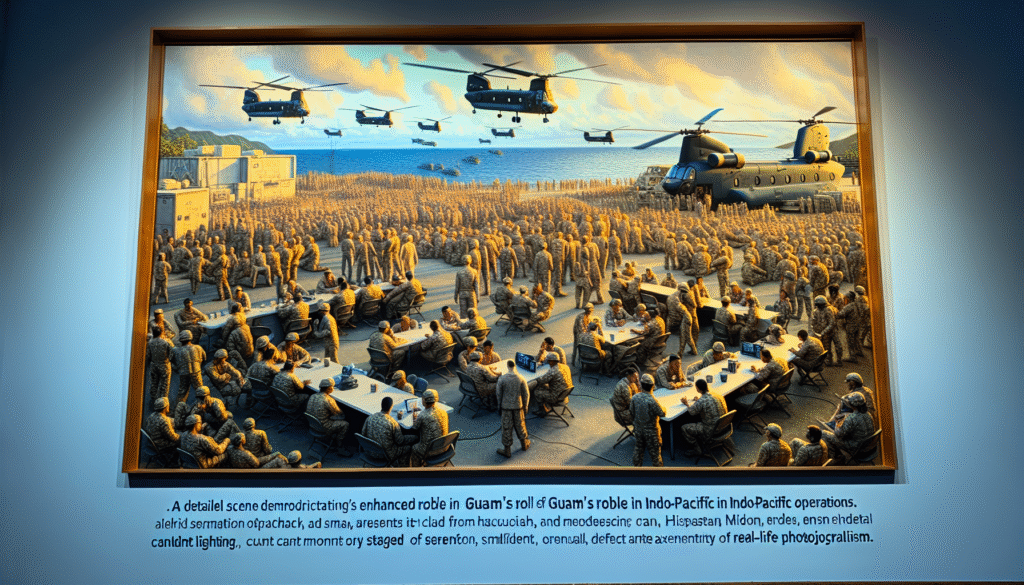
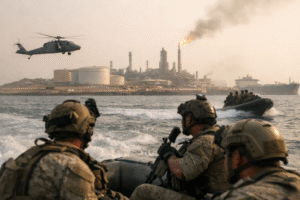
Guam is once again serving as a strategic hub for multinational military cooperation in the Pacific, as U.S. naval forces host allied partners for a series of high-profile maritime exercises aimed at strengthening regional security and interoperability. According to the article “Guam Hosts U.S., Allied Navies for Indo-Pacific Exercises” published by USNI News, naval units from Japan, Australia, Canada, and the Philippines have joined the United States for coordinated drills taking place in and around the U.S. territory.
The joint exercises, part of a broader strategy to counterbalance growing regional assertiveness by China, have focused on anti-submarine warfare, fleet maneuvering, air defense coordination, and amphibious operations. The exercises underscore the growing emphasis on defensive readiness and operational cohesion among Indo-Pacific allies under increasing geopolitical pressure.
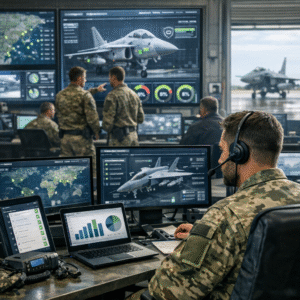
U.S. Navy officials have emphasized Guam’s pivotal geographic location and robust logistics infrastructure as key advantages in hosting such expansive drills, which involve both naval surface ships and combat aircraft. The exercises build on previous regional engagements such as Pacific Vanguard and Malabar, reflecting an evolving security framework that foregrounds collective defense.
Rear Adm. Chris Stone, commander of Task Force 70, noted that this year’s cooperative efforts represent a significant leap in complexity and realism. “These multinational exercises enable us to grow as a unified force, capable of responding to a wide array of challenges throughout the region,” he said, as quoted by USNI News.
The growing presence of Filipino naval assets in this year’s exercises is particularly notable, following recent maritime tensions in the South China Sea. The Philippines’ engagement is seen by analysts as a public signal of Manila’s strengthening defense ties with Washington and a more assertive posture in expressing territorial claims.
Naval analysts view the Guam-based drills as an extension of U.S. deterrence strategy and a practical application of the Pentagon’s shifting focus away from the Middle East and toward strategic competition with China. By deepening coordination with treaty allies and security partners, the United States aims to reinforce a security architecture that deters unilateral changes to the status quo in critical sea lanes and contested waters.
The presence of Canadian and Australian forces also reflects long-standing defense cooperation under frameworks such as the Five Eyes intelligence alliance and the Quadrilateral Security Dialogue, widely known as the Quad. Joint operations in this setting further solidify trust and tactical compatibility across navies that may be called upon to operate together in contingencies.
As the Indo-Pacific theater becomes the central axis of global geopolitical realignments, exercises hosted in forward-deployed locations like Guam are expected to become more frequent and more integrated. Officials have suggested that future iterations may include new participants and explore emerging domains such as cyber warfare and space-based surveillance, in line with evolving military doctrines.
With military planners signaling a long-term commitment to maintaining a free and open Indo-Pacific, the Guam-hosted exercises represent both a rehearsal for crisis response and a visible demonstration of allied cohesion. As China continues to expand its naval capabilities and assert influence across disputed waters, such allied drills are likely to remain a fixture of maritime diplomacy in the region.