Global Tensions Rise: Trump Warns Iran, Prince Arrested
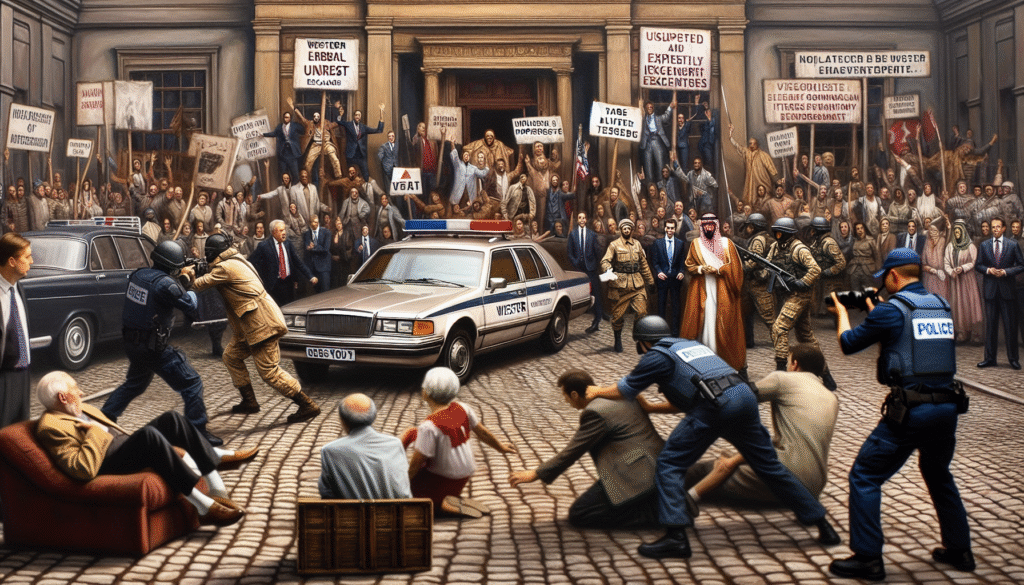
In a rapidly evolving geopolitical and legal landscape, two major developments have captured global attention. Former President Donald Trump has issued a stern warning to Iran, coinciding with the unexpected arrest of Prince Andrew, events reported in a recent article titled “Morning Brief: Trump Warns Iran; Prince Andrew Arrested” by The Daily Wire.
Pivoting to the international stage, Donald Trump has reiterated his stance on Iran as tensions in the Middle East continue to escalate. In a statement that reverberates across diplomatic channels, Trump cautioned Iran about potential repercussions should destabilizing activities in the region persist. This warning from the former U.S. president underscores enduring frictions in the Middle East, where volatility remains a significant concern. Insights into Trump’s foreign policy perspective suggest a continuation of his administration’s hardline approach, emphasizing deterrence to curtail Iranian influence.
Trump’s message to Iran arrives amid growing regional uncertainties, with observers noting the Iranian government’s ongoing nuclear and military developments as a focal point. The situation demands careful monitoring, as international actors invoke both strategic diplomacy and assertive rhetoric to navigate the complexities that could, if mismanaged, cascade into broader conflicts.
In an unrelated but equally significant legal development, Prince Andrew’s recent arrest has dominated headlines, marking a dramatic turn for the British royal. This unfolding situation is rooted in longstanding legal challenges and controversies that the prince has faced. While details remain sparse, the arrest represents a significant moment for legal proceedings connected to the British monarchy and is likely to attract intense media scrutiny.
The implications of Prince Andrew’s arrest reach beyond personal ramifications, casting a shadow over royal affairs in an era where accountability and transparency are increasingly expected from public figures. As the judicial process unfolds, the case is poised to spark discussions on the intersection of privilege, responsibility, and justice.
Both stories, while distinct in their realms, highlight critical themes resonating in contemporary discourse: the persistent volatility within the international order and a reshaping landscape of accountability for public figures. These developments not only demand attention but also invite broader conversations on the principles guiding global diplomacy and the societal expectations placed upon individuals in positions of influence.
As these narratives continue to evolve, stakeholders and the public alike are urged to remain attentive to the implications these events hold for the future of international relations and legal accountability. The broader context and specific outcomes of these stories will likely influence geopolitical strategies and royal protocols in the times to come.