Global Naval Power Reaches New Heights in 2025
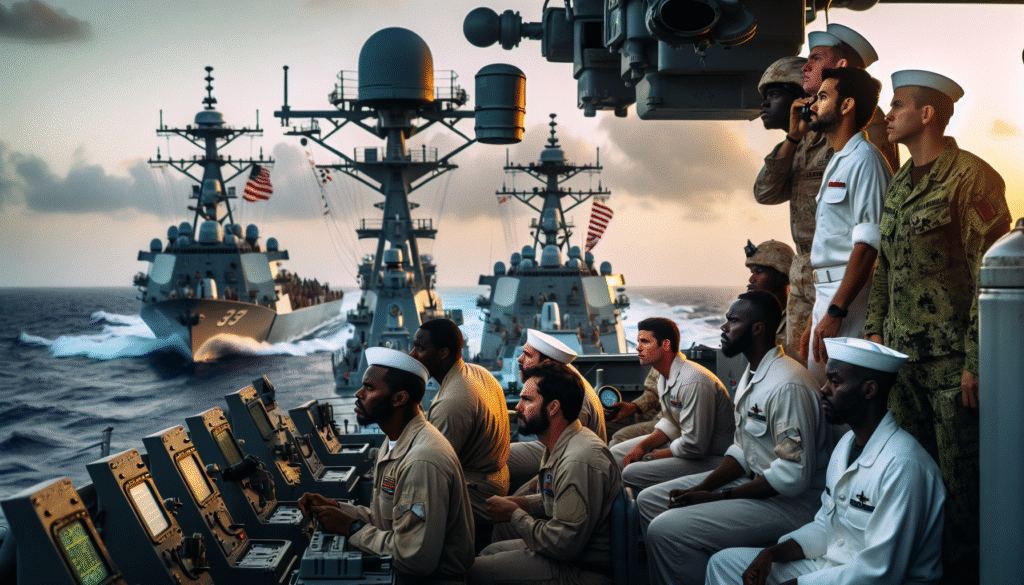
In a year marked by diplomatic recalibrations and strategic realignments, 2025 witnessed a significant uptick in international naval acquisitions, underscoring the growing emphasis on maritime power in a tense geopolitical environment. According to the report “Top Stories 2025: International Naval Acquisition” published by USNI News, allies and adversaries alike pursued ambitious procurement programs to modernize their fleets, bolster deterrence capabilities, and expand their blue-water presence.
One of the most consequential developments came from the Indo-Pacific region, where Japan finalized contracts for a new class of destroyers equipped with advanced Aegis combat systems, radar upgrades, and long-range anti-ship missiles. This move, analysts suggest, reflects Japan’s growing concern over maritime security in the East China Sea and the Taiwan Strait, as well as its increasing interoperability with U.S. forces. The Japanese Maritime Self-Defense Force’s procurement signals a broader trend among U.S. allies toward integrated force structures capable of operating in complex, multi-domain scenarios.
Meanwhile, European nations also pivoted toward revitalized naval capabilities. Germany led the way with an expanded order for frigates emphasizing electronic warfare and anti-submarine warfare, a clear nod to rising Russian naval activity in the Baltic and North Seas. France and Italy continued their joint development of next-generation missile frigates under the European Patrol Corvette program, demonstrating a commitment to collective European defense initiatives amid the shifting security architecture in Europe.
On the other side of the strategic ledger, China and Russia continued to invest heavily in naval modernization. China launched several new amphibious assault ships and aircraft carriers, bolstering its already formidable South China Sea presence and signaling intentions to extend its maritime reach beyond the first island chain. Russia, despite domestic economic challenges, proceeded with selective procurement, focusing on undersea warfare capabilities and the modernization of Soviet-era surface vessels to maintain relevance in the Arctic and Black Sea theaters.
For the United States, 2025 highlighted the importance of sustaining the pace of innovation and production in a rapidly evolving global maritime environment. The U.S. Navy’s own shipbuilding plans were closely watched, especially as delays and cost overruns threatened timelines for key platforms like the Constellation-class frigates. In response, the U.S. Department of Defense deepened its consultation with international partners, seeking solutions that foster interoperability through the joint development and phased delivery of major systems.
USNI News points out that the increased tempo in naval acquisitions reflects not only an effort to deter peer adversaries but also to reconfigure fleets for emerging missions, including unmanned surface vehicles, AI-enabled command control, and resilient logistics chains. Nations with limited shipbuilding capacities explored alternative approaches such as leasing arrangements and technology transfers—a reflection of the widening gap between strategic ambitions and domestic industrial capabilities.
As competition intensifies across the world’s oceans, 2025 may be viewed in hindsight as a pivotal year in which the global naval landscape began its next transformation. The decisions made across capitals, shipyards, and boardrooms appear less about immediate conflict and more about enduring influence. They reveal an international consensus on the utility of sea power not only as a tool of war but increasingly as a fundamental component of diplomacy, deterrence, and global economic security.