GCAP Designers Prioritize Flexibility to Future-Proof Sixth-Generation Fighter Jet
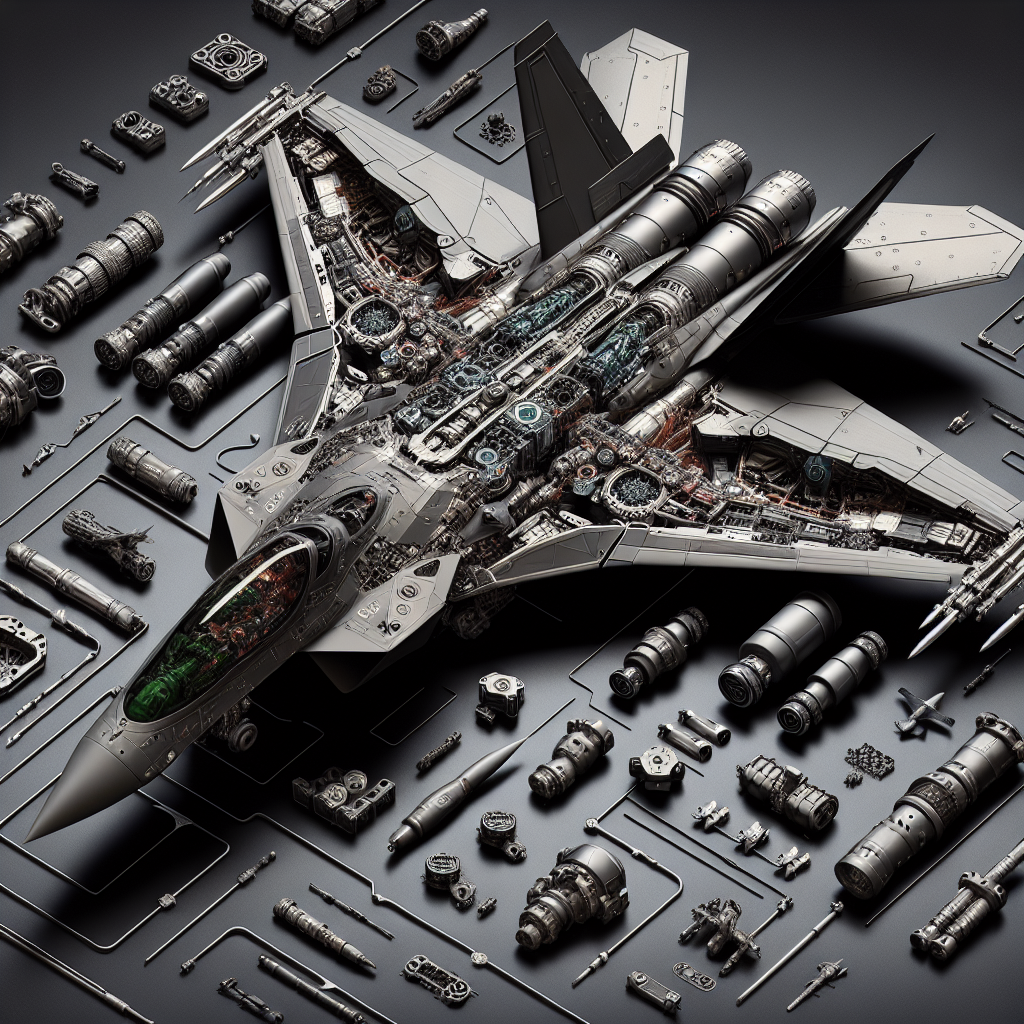
Designers of the sixth-generation Global Combat Air Programme (GCAP) fighter jet are working to ensure that future weapons and uncrewed systems remain adaptable as development progresses, underscoring a deliberate emphasis on flexibility in next-generation aerial warfare. The multinational effort, a collaboration between the United Kingdom, Italy, and Japan, seeks to field a new advanced fighter by 2035.
According to a recent article titled “GCAP fighter jet designers push to keep weapons, drone options open,” published by Defense News, the program’s architects are actively resisting the urge to lock in specific technologies or armaments too early in the development cycle. This strategic approach is meant to future-proof the fighter by allowing it to integrate emerging capabilities, such as collaborative drones and next-generation missile systems, as they mature.
Engineers and defence officials involved in the GCAP initiative say the design philosophy is guided by a recognition of how rapidly technologies are evolving—particularly in areas such as artificial intelligence, electronic warfare, and autonomy. With unmanned aircraft and smart weapons becoming increasingly central to modern air combat operations, the GCAP team is building in modularity and open architecture that would allow the fighter to operate seamlessly alongside various future systems.
Herman Claesen, who leads the GCAP at BAE Systems, told Defense News that one of the key program goals is ensuring the platform does not impose limitations on what kind of munitions or uncrewed assets it can use. “We want to launch GCAP with the flexibility to adopt the best solutions as they become available,” he said.
This design ethos has significant implications for Europe and global defence partnerships. With multiple national stakeholders involved, maintaining interoperability across different defense industrial ecosystems while also accommodating evolving tactical requirements poses a formidable challenge. However, proponents argue that this openness is necessary to ensure the fighter remains operationally effective across its projected decades-long service life.
Additionally, the ongoing work to keep drone integration options open highlights growing recognition of manned-unmanned teaming as a cornerstone of future airpower. This includes potential links with loyal wingman-type drones that can scout, jam, or even strike targets, coordinated through secure data-sharing protocols between aircraft.
GCAP stands as a parallel and sometimes competitive initiative to other global sixth-generation fighter efforts, including the Franco-German-Spanish Future Combat Air System (FCAS). Yet the GCAP partners have emphasized that the collaborative model—rooted in equal partnership and industry synergy—positions them to deliver a highly capable aircraft on a tight schedule.
As Defense News reports, the success of GCAP will depend not only on the integration of high-end stealth, sensing, and propulsion technologies, but also on the ability of planners to anticipate what the battlefield will demand in the coming decades—and to engineer that adaptability into the aircraft from the outset. With its maiden flight still years away, much remains uncertain. But one thing seems clear: flexibility is not just a design goal—it is a strategic imperative.