Forging the Future Army with Tech and Speed
As the U.S. Army prepares for an increasingly complex and technology-driven future battlefield, military leaders are investing in sweeping transformations across strategy, weapon systems, and mobility doctrines. According to a recent video feature titled “New Tech, New Weapons, New Army: How to Move a Force Forward” published by Military Times, the Army is focusing on integrating advanced technologies and modernizing its capabilities to maintain superiority in an evolving global threat landscape.
The piece, which includes insights from top Army officials, highlights the service’s commitment to reshaping itself for potential large-scale combat operations by leveraging cutting-edge technologies. Central to this vision is the development and deployment of mobile, data-informed, and lethal formations capable of rapid movement and enhanced survivability.
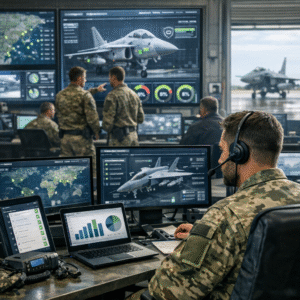
Lt. Gen. Ross Coffman, a key figure in steering these modernization efforts, emphasizes the need for “decision dominance”—a concept where commanders possess superior situational awareness and can act faster than any adversary. This initiative mandates cohesive integration of artificial intelligence, machine learning, and real-time data analytics across the force. In practical terms, this involves smarter command-and-control systems, automated platforms, and synchronized logistics solutions that reduce friction in theater-scale operations.
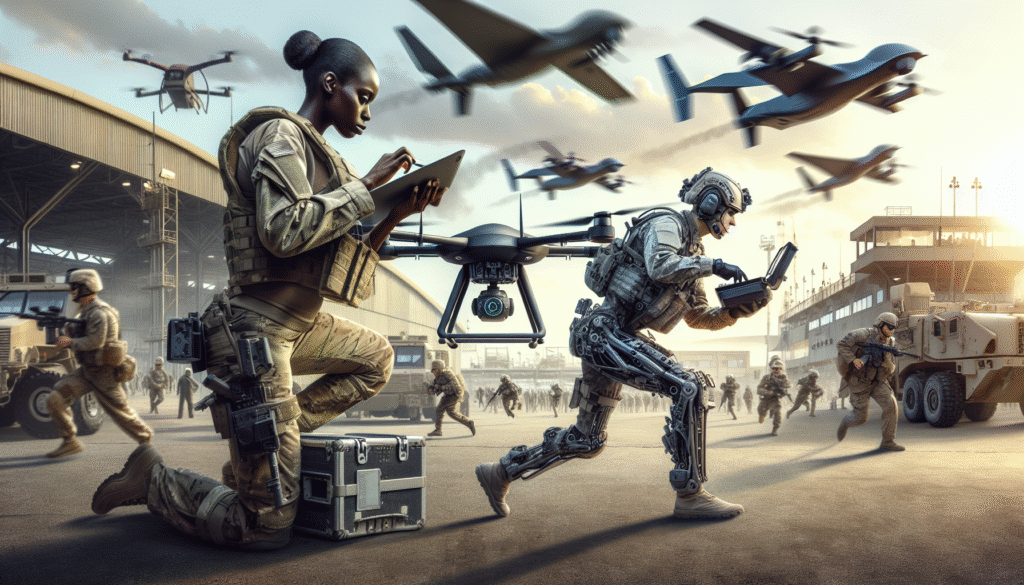
Weapon modernization is another priority. The Army is actively phasing in next-generation systems that include hypersonic missiles, extended-range artillery, and autonomous vehicles. These capabilities are intended not merely to overmatch near-peer adversaries but to redefine the character of land combat. The Army’s new focus on lethality and speed also ties into broader Pentagon objectives aimed at deterring aggression from technologically sophisticated nations such as China and Russia.
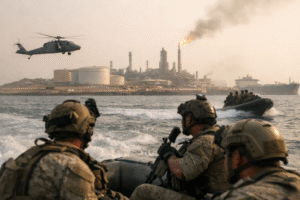
Mobility underpins these efforts. Operational flexibility on a contested battlefield necessitates rapid maneuvering of troops and equipment. As highlighted in the Military Times report, the Army is testing new transport systems and pre-positioning assets globally to ensure rapid crisis response. Amphibious and airdrop mobility options are being refined to support dispersed operations, while networked logistics chains will utilize predictive tools to sustain campaigns far from home.
Contending with bureaucratic and technological hurdles remains a challenge. Integrating emerging platforms without overloading command structures and ensuring compatibility among allied systems are ongoing concerns. Training also lags behind hardware advancements, with Army leaders acknowledging the need for a reformed approach to develop tech-savvy, adaptive soldiers who can effectively utilize new systems under battlefield stress.
Despite these complexities, senior defense officials maintain that the Army’s transformation is not a vision in waiting, but an active mission underway. Dozens of pilot programs and real-world exercises are currently validating new concepts, offering lessons to refine the Army’s modernization roadmap.
As noted in the Military Times feature, this push represents more than just an acquisition overhaul—it’s a doctrinal shift toward an Army built for speed, integration, and decisive force projection. With interlinked technologies and adaptive combat formations, the Army aims to remain not just ready, but ready for what comes next.