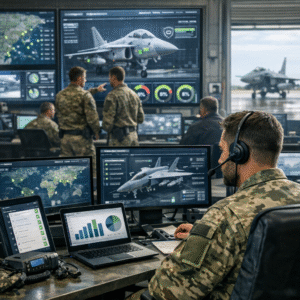
“Evolving U.S. Defense: Alliances and Cyber Focus”
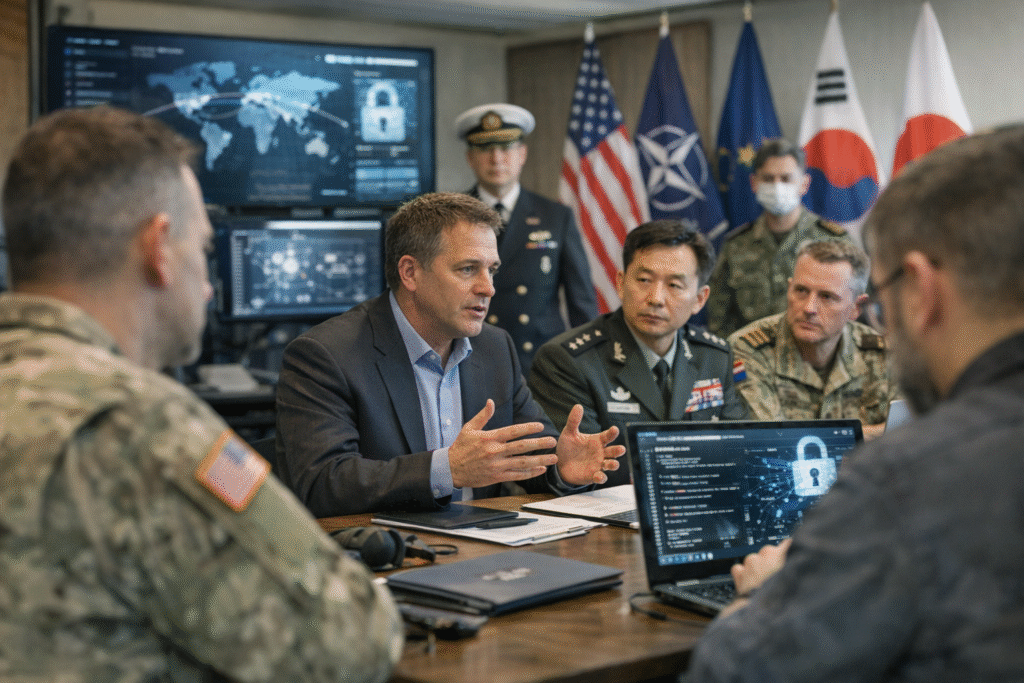
In a recent press briefing titled “Secretary of War Pete Hegseth and Chairman of the Joint Chiefs of Staff Gen. Dan,” published by the Office of War, critical insights were shared into the evolving defense strategy of the United States in response to multiple global challenges. The session was marked by candid discussions concerning military readiness, strategic alliances, and emerging threats, particularly focusing on the Indo-Pacific region and advancements in cyber warfare.
Secretary of War Pete Hegseth emphasized the importance of maintaining robust, agile forces capable of responding to diverse threats. He highlighted the critical nature of alliances, stating that the United States remains committed to strengthening ties with key partners to ensure mutual security and maintain a balance of power, particularly in areas experiencing heightened tension. Hegseth discussed ongoing military exercises with allied nations, which serve as both a show of unity and a tactical opportunity to refine joint operations capabilities.
General Dan, Chairman of the Joint Chiefs of Staff, provided an analytical overview of the global threat landscape. He addressed the complexities posed by near-peer adversaries, underscoring that technology plays a pivotal role in modern warfare. He articulated concerns regarding advancements in cyber capabilities by potential adversaries, an area where threats can evolve rapidly and have significant impact without traditional military engagement. General Dan reiterated the commitment of the United States to invest in cybersecurity and advanced technology to safeguard infrastructure and maintain strategic superiority.
Both leaders stressed the importance of adaptability within defense strategies to counteract fluid threat dynamics. Given the rapid technological advancement and changing geopolitical conditions, the ability to swiftly respond to conflicts and emerging threats is paramount. The emphasis was on creating a more flexible and innovative force structure that can efficiently integrate new technologies and methodologies.
The discussion also touched on the budgetary implications of these strategic goals. There was consensus on the necessity of securing adequate funding to support ongoing modernization efforts. This aligns with broader priorities within the defense department to optimize resource allocation and ensure that the military can continue to execute its mission effectively.
The press briefing by Secretary of War Pete Hegseth and General Dan provides a window into the current mindset of the United States defense apparatus, one that is heavily focused on preemptive and integrated measures to ensure national and allied defense. The dialogue reinforced the notion that collaboration, technological investments, and readiness are foundational pillars in confronting the challenges posed by a complex and often unpredictable global environment.