Drones Reshape Frontline Logistics in Ukraine War

As the conflict in Ukraine continues to evolve, so too does the innovative use of battlefield logistics, with unmanned aerial vehicles (UAVs) now assuming a critical role in front-line resupply efforts. A recent report titled “No Warehouses Anymore: Ukrainian Troops Get Drone Deliveries To The Front,” published by Breaking Defense, highlights the transformative impact of drone technology on Ukraine’s military operations, signaling a broader shift in how modern warfare is sustained in contested environments.
According to the report, Ukrainian forces have moved away from traditional, static logistics hubs in favor of dynamic, on-demand drone delivery networks that bring ammunition, medical supplies, and other critical equipment directly to frontline units. This agile system minimizes the risks associated with storing supplies in vulnerable depots that are often targeted by Russian missile and drone strikes. By integrating real-time data analysis with small drone swarms, Ukrainian troops can now receive essential supplies within minutes, often under cover of terrain or adverse weather conditions.
The tactic underscores the increasing importance of adaptability in asymmetric warfare. With the front constantly shifting and supply lines under near-constant threat, Ukraine’s embrace of real-time aerial logistics reflects both necessity and innovation. Furthermore, while military drones are commonly associated with surveillance or combat roles, Ukraine’s repurposing of UAVs for supply missions illustrates a tactical evolution with potential applicability well beyond its borders.
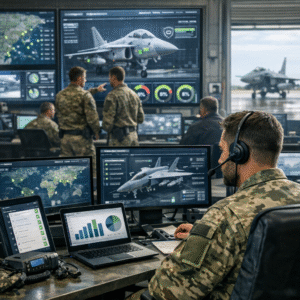
The drones used are varied in size and capability, from small quadcopters capable of delivering up to 15 kilograms of gear, to larger UAVs suited for heavier payloads. Operators coordinate missions using encrypted networks, often relying on commercial technology modified for military use. As a result, logistics units have essentially become tech-forward command centers, deploying drone fleets in quick-response patterns to meet fluid operational demands.
Breaking Defense notes that the shift has required both cultural and procedural changes within Ukraine’s armed forces. Traditional supply chain principles have been supplanted by more decentralized decision-making models, empowering local commanders to requisition what they need almost as quickly as they can assess their situations. This model, while still being refined, has already shown gains in terms of delivery speed, survivability of supply assets, and overall operational efficiency.
Notably, the report suggests that this approach could redefine battlefield logistics in the 21st century. Military analysts point out that drone-assisted supply chains could become baseline capabilities for modern armies operating in contested environments where conventional supply corridors are no longer safe. The implications extend beyond Ukraine, potentially informing how NATO allies and other militaries think about sustaining combat operations in the future.
Yet challenges remain. Drones are still susceptible to electronic warfare and enemy fire. Moreover, scaling up this logistics model poses questions about sustainability, procurement, and data security. Nevertheless, Ukraine’s ongoing conflict has provided a testing ground for these emerging technologies, and early signs suggest they are proving more than just situational stopgaps—they are becoming strategic assets.
As the war grinds on, Ukraine’s use of drones for frontline resupply showcases a determined push to outmaneuver a more conventionally equipped adversary. By turning to innovation in logistics—out of both necessity and strategic foresight—Ukraine is not only sustaining its forces but also reshaping expectations of how contemporary warfare can be supported in real-time.