Delivering Tech to Troops Faster, Army CTO Emphasizes
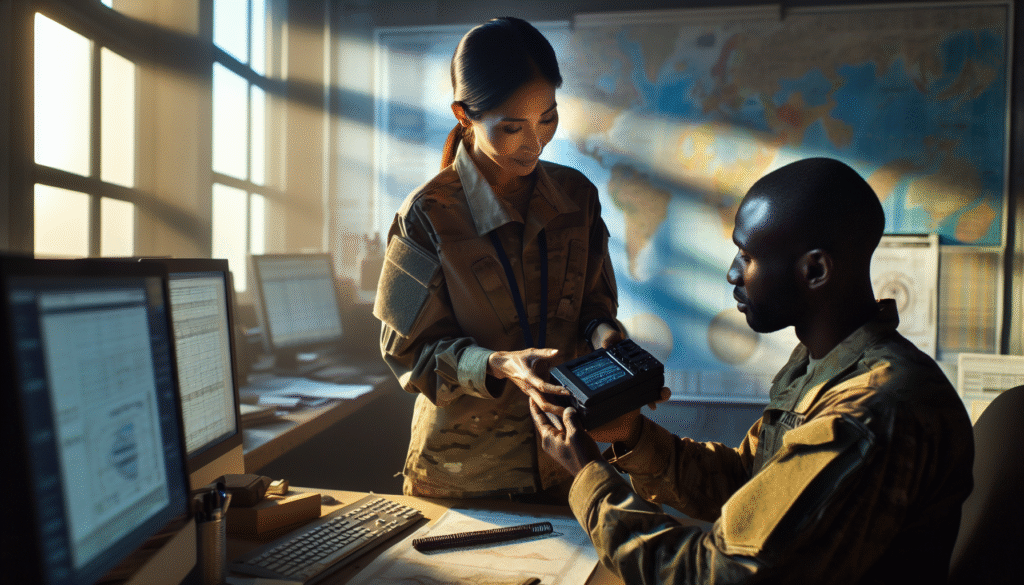
As the U.S. Army accelerates efforts to integrate emerging technologies into its operational units, a senior service official is emphasizing the critical importance of aligning innovation with mission requirements in real time. In an interview published by DefenseScoop under the title “Army CTO Alex Miller on bringing emerging tech to operational units,” Army Chief Technology Officer Alex Miller detailed the approach the service is taking to match cutting-edge capabilities with battlefield needs.
Miller underscored that the Army’s primary focus lies not only in identifying promising technologies, but also in ensuring that they can be transitioned rapidly into the hands of soldiers. The challenge, he noted, is not a lack of innovation within the defense ecosystem but a deficiency in the mechanisms that allow technologies to scale and deploy at speed.
“We have a robust innovation base in the commercial sector and within Army research labs,” Miller said. “Where we tend to struggle is delivery—getting those technologies into the hands of warfighters quickly enough for them to make a difference.”
One of the key initiatives supporting this effort is the Army’s evolving approach to experimentation. Rather than relying solely on laboratory environments, the service is conducting live trials with operational units, allowing developers and soldiers to jointly determine how a given technology performs within mission scenarios. Feedback cycles are being shortened, and interdisciplinary teams from across Army Futures Command are being embedded in these exercises to collect actionable data.
Miller emphasized that successful integration of emerging capabilities—ranging from artificial intelligence and autonomy to sensors and advanced software—depends on a firm understanding of operational context. Technologies must not only work as promised but must also enhance or transform mission effectiveness under real-world constraints.
At the heart of this transformation is a cultural shift within the institution. Miller pointed to recent structural changes and leadership commitments that are helping to break down silos between technology developers and end users. He noted that collaboration among policy makers, acquisition officers, and technologists has improved, allowing for more agile decision-making.
According to Miller, the Army is increasingly embracing a dual-track innovation model, where rapid insertion of near-ready technology can coexist with longer-term investments in transformational platforms. This balance, he argued, is essential to meet both immediate operational challenges and to prepare for future conflicts.
The interview published by DefenseScoop reflects broader trends across the Department of Defense, as the military grapples with how to incorporate accelerating technological developments while maintaining readiness and credibility in contested environments. Miller’s comments also underscore a growing recognition that modernization is not simply about acquiring new tools, but about reshaping how the institution learns, adapts, and executes.
As geopolitical threats evolve and adversaries continue to modernize, the Army’s push to streamline delivery of emerging capabilities will likely remain a cornerstone of its broader strategy to enhance deterrence and ensure tactical dominance on tomorrow’s battlefield.