David Goggins Enters Air Force Special Ops at 51
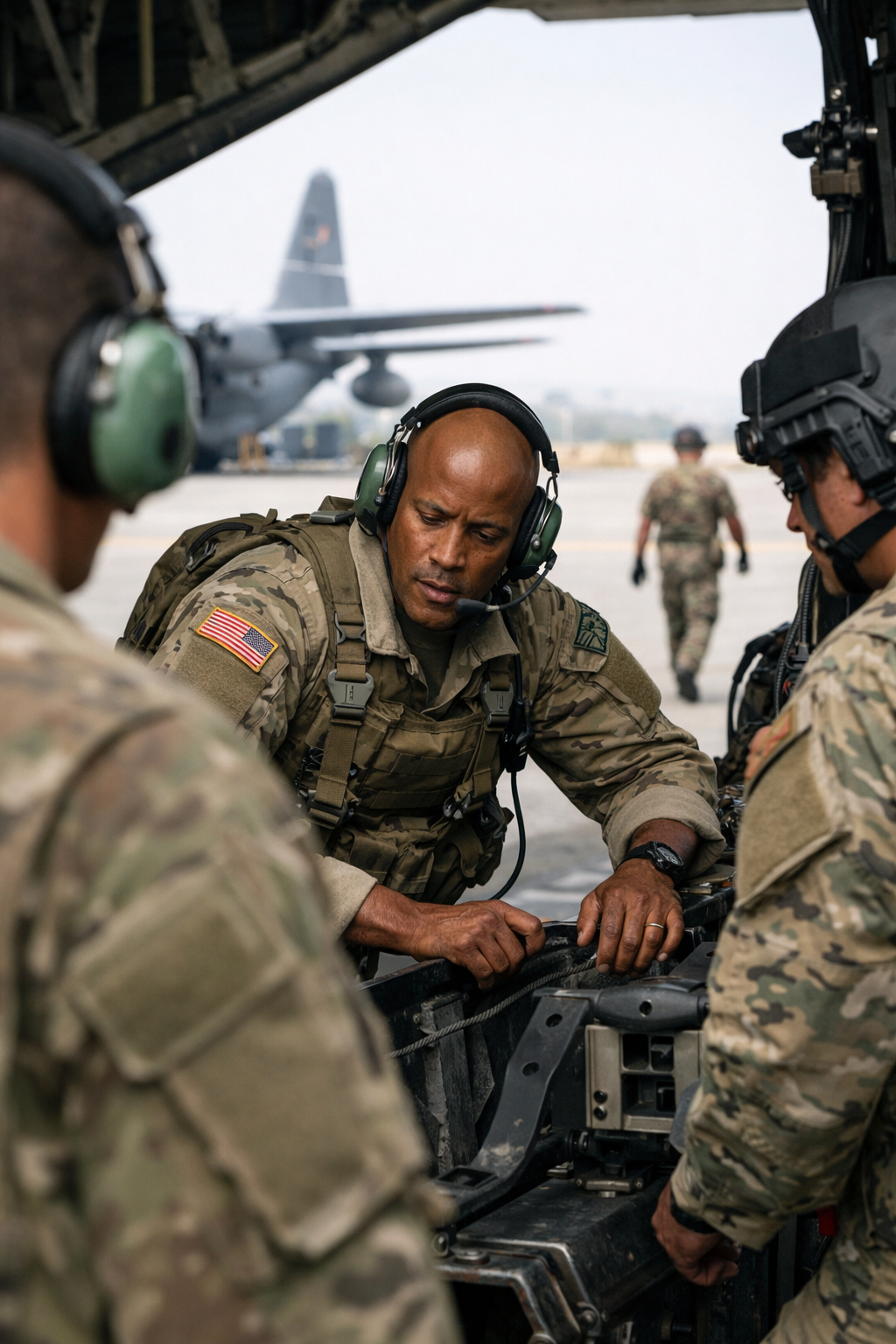
David Goggins, a retired Navy SEAL and widely known endurance athlete, has entered a new chapter in his military journey at age 51, according to a report by Military Times titled “SEAL influencer David Goggins, 51, in Air Force special ops training.” The development places one of the most prominent figures in modern military fitness culture inside a demanding Air Force special operations training pipeline, raising both interest and skepticism across the defense community.
Goggins, whose public profile has grown through motivational speaking, books, and extreme athletic feats, previously served as a Navy SEAL and later participated in Air Force Tactical Air Control Party training earlier in his career. His return to Air Force special operations training at a stage of life when most service members have long since retired stands out as an anomaly in a system built around younger candidates and stringent physical and medical requirements.
Military Times reported that Goggins is currently involved in training associated with Air Force Special Warfare, a career field that includes roles such as pararescue, combat control, special reconnaissance, and TACP. These pipelines are widely regarded as among the most physically and mentally demanding in the U.S. military, with high attrition rates even among candidates in their 20s and 30s.
The Air Force has not broadly publicized details regarding Goggins’ specific status or objectives within the training environment, and it remains unclear whether his participation is part of a formal accession process, a return to uniformed service, or another authorized capacity. His presence, however, raises questions about policy flexibility, age waivers, and the evolving role of high-profile individuals within military institutions that traditionally emphasize uniformity and standardization.
Goggins’ reentry into such a pipeline intersects with his carefully cultivated image as a figure who tests human limits. He has built a following by documenting extreme endurance challenges and advocating mental resilience, often drawing on his prior military experience as a foundation for his message. His decision to undergo Air Force special operations training at 51 aligns with that narrative, though it also underscores the tension between individual achievement and institutional norms.
Within the ranks, reactions are likely to be mixed. Special operations communities place strong emphasis on credibility earned through shared hardship, and any deviation from established pathways can invite scrutiny. At the same time, Goggins’ prior service and widely recognized physical discipline may mitigate some skepticism, particularly if he is held to the same standards as other candidates.
The broader significance of Goggins’ participation may extend beyond his personal trajectory. The military has increasingly navigated the influence of social media personalities, public figures, and nontraditional entrants who bring visibility but also complicate messaging and expectations. Goggins occupies a unique position at the intersection of these trends, as a former operator who has become a global brand.
As reported by Military Times, the situation continues to develop, with limited official detail available. What is clear is that Goggins’ presence in Air Force special operations training challenges conventional assumptions about age, career timelines, and the boundaries between military service and public identity.