Congress Restores Pentagon Women’s Policy Panels
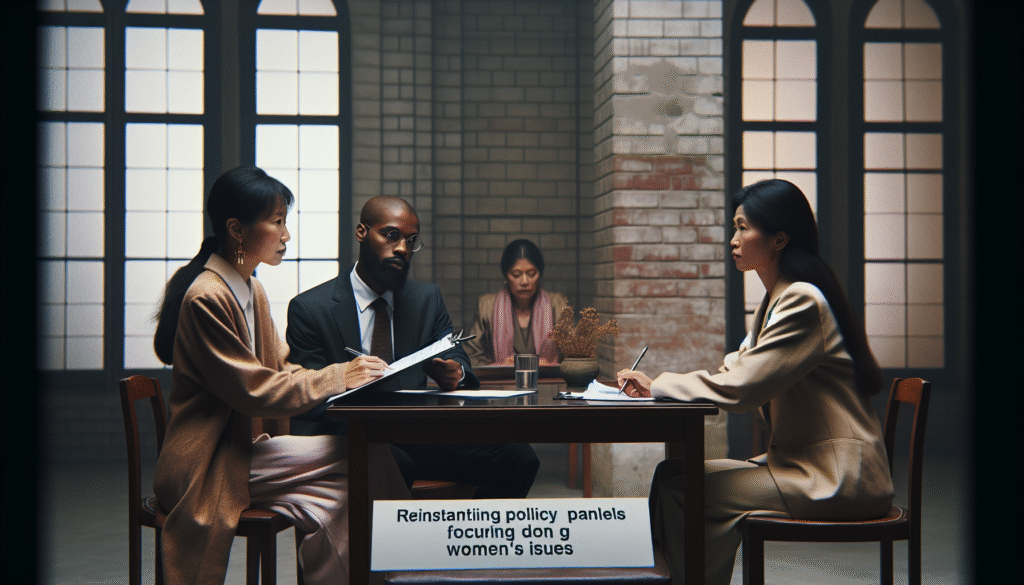
Congress has voted to reinstate two influential Pentagon advisory bodies focusing on women’s issues in the military, reversing a controversial decision made earlier this year to disband them amid a broader rollback of diversity, equity, and inclusion (DEI) initiatives. The move was paved by provisions in the newly approved National Defense Authorization Act (NDAA) for fiscal year 2025, signaling a bipartisan consensus on the strategic and operational importance of addressing gender equity in uniformed service.
As first reported by Military Times in an article titled “NDAA restores women’s policy teams canceled in Pentagon DEI purge,” the NDAA mandates the re-establishment of the Defense Advisory Committee on Women in the Services (DACOWITS), as well as the Office of the Assistant Secretary of Defense for Diversity, Equity, and Inclusion’s Women’s Initiatives Team (WIT). Both groups had played a critical role in producing data-driven policy recommendations that informed initiatives ranging from maternity leave policies to occupational integration and equipment design tailored for female service members.
The disbandment of the committees earlier this year drew criticism from military advocates and lawmakers, who warned that eliminating institutional oversight and analysis related to gender equity could hinder operational readiness and retention—particularly as all-volunteer force recruitment falls short of annual goals across several branches. Defense officials at the time said the decision was part of a consolidation effort aimed at streamlining DEI efforts across the department, but internal memos and public pushback suggested an ideological shift had influenced the move.
“Military readiness depends on our ability to recruit and retain a talented fighting force from all segments of society,” said Rep. Chrissy Houlahan, D-Pa., a U.S. Air Force veteran and key proponent of the measure to restore the panels. “Ignoring gender-specific challenges faced by service members undermines the military’s effectiveness in both peacetime and combat.”
Support for reinstating the advisory bodies bridged partisan divides, demonstrating a growing recognition in Congress that meaningful representation of women in defense policymaking is a matter of national interest. Though DEI initiatives have increasingly become a flashpoint in Washington, lawmakers on both sides of the aisle acknowledged that gender-related reforms, such as improved access to reproductive care or better-fitting body armor, are not partisan endeavors but pragmatic adjustments to evolving personnel needs.
Still, the political backdrop remains fraught. The Pentagon’s broader DEI framework continues to face scrutiny from critics who argue such efforts introduce “woke” ideology into military culture. In contrast, defense leaders and outside experts argue that addressing systemic barriers and promoting inclusive policies enhance cohesion and trust within the ranks—essential traits in modern military operations.
In reinstating these two advisory groups, the NDAA sends a clear signal that gender-focused analysis and policymaking remain integral to the future of the U.S. armed forces. As women now represent more than 17 percent of active-duty personnel, ensuring policies reflect their experiences is not only a matter of fairness, proponents say, but crucial to maintaining a capable and competitive military. The restored committees are expected to resume operations in early 2025, with updated mandates that reflect both traditional priorities and emerging challenges faced by servicewomen today.