Coast Guard Cutter Program Faces Delays and Cost Risks
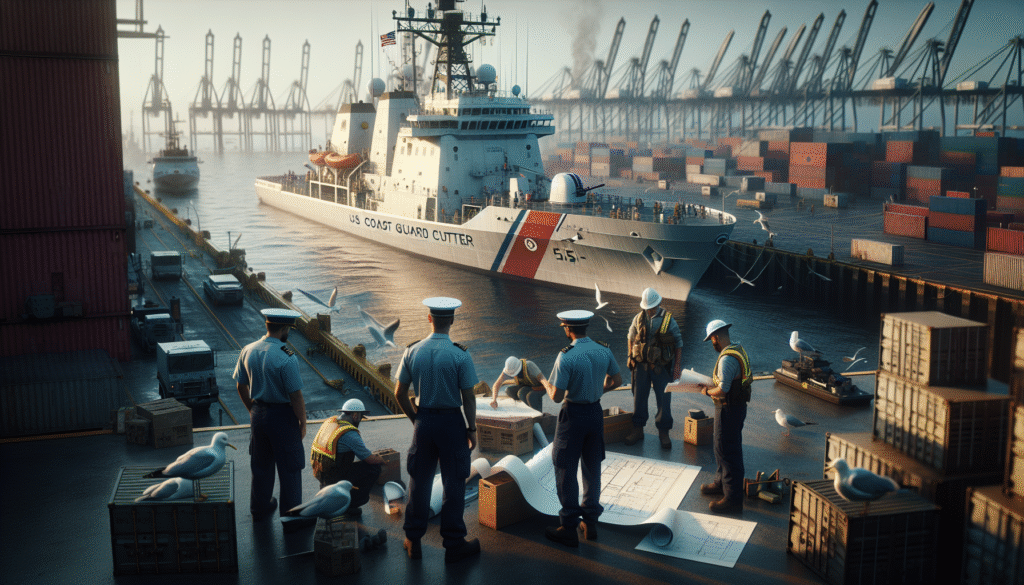
The U.S. Coast Guard’s ambitious effort to modernize its fleet through the new Heritage-class Offshore Patrol Cutter (OPC) program faces significant turbulence, according to a recent report from the Government Accountability Office (GAO), raising concerns about rising costs, protracted delays, and the possibility of extensive rework. As detailed in the article “Coast Guard’s New Cutter Program At Risk Of Costly Rework, Schedule Delays: GAO” published by Breaking Defense, the oversight body highlighted multiple areas where the program is falling short of expectations.
The GAO’s findings point to design immaturity during the construction phase and limited oversight of the lead contractor, Eastern Shipbuilding Group, as central drivers behind the mounting risks. Specifically, the report underscores that the initial cutter—meant to serve as a prototype for subsequent vessels—is being built before the design is fully stable. The GAO warns that this overlap between design finalization and production could result in costly retrofits and schedule setbacks if major alterations are required after construction has progressed.
Breaking Defense notes that the OPC program is envisioned as a critical component of the Coast Guard’s long-range fleet renewal strategy, aiming to replace the aging Medium Endurance Cutters with a more capable and modern design. Designed to operate in diverse environments with enhanced endurance, communications, and operational capabilities, the OPCs are vital to sustaining maritime security missions and meeting evolving threats in coastal and open-ocean environments.
However, the GAO cautions that schedule slippage is already materializing. The delivery of the first OPC, originally slated for 2022, has been delayed multiple times and is currently projected for mid-2026. With the design still undergoing significant refinements even as construction proceeds, GAO officials suggest the Coast Guard may face additional delays and expenditures unless stronger corrective measures are taken.
A particularly alarming aspect, as cited by both the GAO and Breaking Defense, is the Coast Guard’s limited application of key acquisition best practices. For instance, the Coast Guard did not establish adequate design stability thresholds before beginning construction—a step considered standard in complex shipbuilding programs. Moreover, the relatively low number of in-progress design drawings at the time of construction start indicates a heightened risk of future modifications.
In response, the Coast Guard acknowledged the challenges but emphasized that they are working to implement remedial measures, including partnering more closely with Eastern Shipbuilding to tighten program management and mitigate further risk. The service also indicated it remains committed to delivering a cutter fleet capable of meeting the operational demands of the 21st century.
Despite these assurances, congressional oversight may increase in the wake of the GAO report. Lawmakers have in the past expressed concern over procurement issues related to Coast Guard modernization initiatives, and fresh scrutiny could prompt additional policy directives or funding stipulations designed to bolster accountability and prevent further erosion of program timelines.
With nearly $12 billion in projected costs for the full 25-ship OPC class, the stakes for achieving successful execution are high. Analysts suggest that this program, the largest acquisition effort in Coast Guard history, will serve as a bellwether for future Department of Homeland Security procurements. As the GAO report makes clear, the window for corrective action is closing fast, and the Coast Guard must move decisively to avoid compounding an already-precarious situation.