Army Wargames Reveal Gaps in Electronic Defenses
In a recent series of military exercises conducted in California, the U.S. Army has unveiled critical electronic vulnerabilities that could impede its operational effectiveness, as reported by “California Wargames Show Army’s Electronic Weakness and a Human Fix,” published on Breaking Defense. The findings underscore the persistent challenges the military faces in adapting to increasingly sophisticated technological landscapes dominated by electronic warfare.
These war games have highlighted a concerning gap in the Army’s electronic warfare capabilities, wherein adversaries could potentially disrupt communications and navigation systems central to military strategies. In an era where battlefield superiority hinges significantly on technological edge, the capacity to safeguard electronic communications is vital for success in modern warfare.
As detailed in the report, the exercises revealed that adversaries could exploit weaknesses in the Army’s electronic infrastructure, potentially compromising mission-critical data. These systems form the backbone of strategic operations, including troop movements, intelligence gathering, and reconnaissance. The exposure of such vulnerabilities calls for immediate attention to bolster the Army’s defenses against electronic attacks, ensuring the resilience of its infrastructure under hostile conditions.
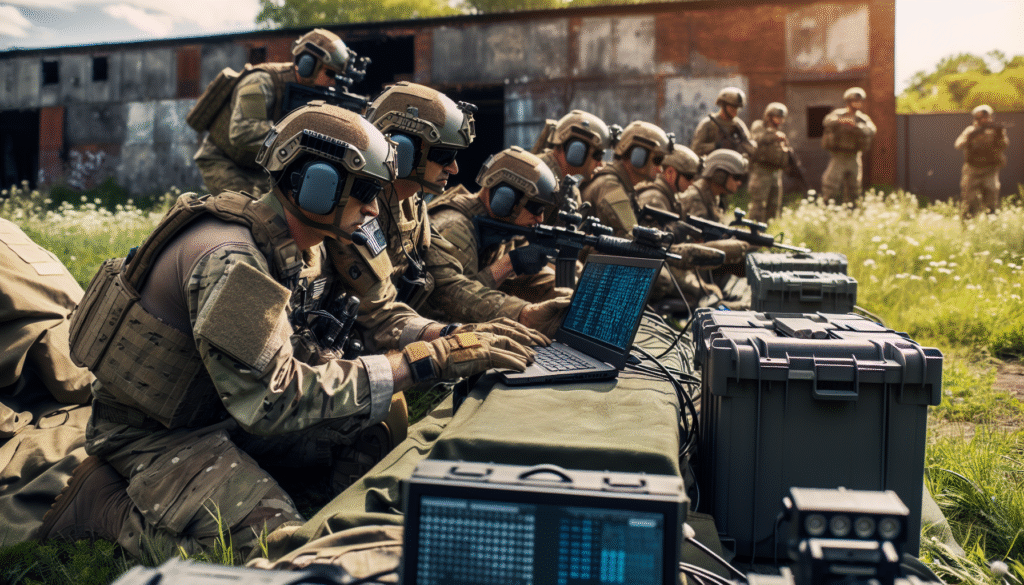
Despite these challenges, the war games also showcased an inspiring level of adaptability among military personnel. Human initiative proved to be a formidable counterbalance to technological vulnerabilities. Soldiers demonstrated resourcefulness by employing analog techniques and fundamental skills that, while often overshadowed in this digital age, remain crucial in sustaining command integrity when electronic systems fail.
The Army’s leadership must now navigate the dual task of addressing these technological shortfalls while reinforcing the traditional skills that have historically underpinned military success. This dual approach not only emphasizes the importance of bolstering electronic defenses but also reinforces the enduring value of human ingenuity in the face of technological adversity.
The exercises ultimately serve as a reminder that while technological advancements are pivotal in modern military strategy, they must be complemented by a robust emphasis on human capabilities. As potential adversaries continue to refine their electronic warfare tactics, the U.S. Army’s commitment to enhancing both its technological infrastructure and human resourcefulness will be critical to maintaining a strategic advantage on the battlefield.
These revelations mark a pivotal point for military strategists, policymakers, and defense contractors who are now tasked with the formidable challenge of integrating cutting-edge technologies with proven human practices. By addressing these issues comprehensively, the U.S. Army can strengthen its position against emerging threats and ensure its preparedness for the complexities of future conflicts.