Air Force Seeks Contractors for Foreign Pilot Training
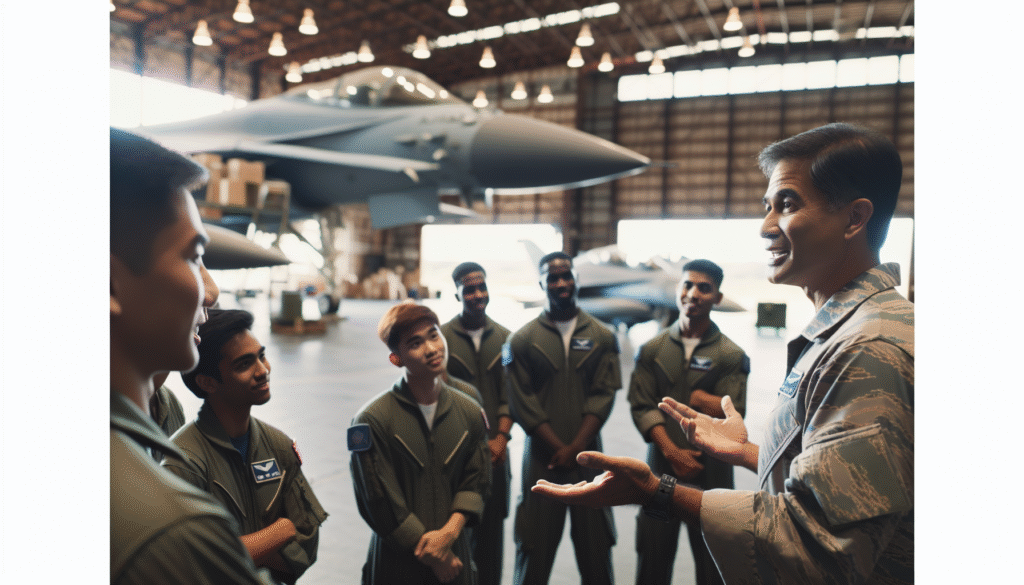
The U.S. Air Force has initiated a search for defense contractors to oversee and conduct flight training for foreign military pilots, as part of an expanded effort to strengthen international defense partnerships and build allied air capabilities. This development was reported in the January 29 article “US Air Force looking for contractors to train foreign pilots” published by Defense News.
In a request for information (RFI) issued last week, the Air Force’s Air Education and Training Command sought input from industry on potential training solutions that could enhance instruction for pilots from global partner nations operating U.S.-made aircraft. The service is exploring contract options to provide both ground and flight instruction, with a focus on light attack aircraft, fighter jets, and mobility platforms.
While the Air Force has long facilitated foreign military training through programs such as the Aviation Leadership Program and the International Military Education and Training initiative, officials indicated that demand has increased in recent years. With rising security concerns in regions such as Eastern Europe, the Indo-Pacific, and the Middle East, more allied nations are seeking to modernize their air forces with U.S. aircraft and benefit from American training expertise.
According to the Defense News report, the Air Force is looking for contractors capable of training foreign pilots to the standards of U.S. aviation proficiency while also respecting the operational needs of partner nations. The service aims to assess how industry can deliver training that is scalable, mission-tailored, and responsive to specific aircraft requirements.
The RFI suggests that contractors would be expected to supply aircraft, instructors, maintenance crews, academic courseware, and potentially training simulators. The training could take place at contractor facilities within the United States, and while the Air Force has not announced a timeline for contract awards, officials are expected to evaluate industry responses to inform future acquisition strategies.
This push for private-sector involvement in foreign pilot training aligns with the broader U.S. defense posture of interoperability and burden-sharing among allies. It also reflects budgetary and operational efficiencies, as outsourcing certain services allows the military to allocate its uniformed personnel and equipment to other readiness priorities.
Industry observers note that the opportunity could attract major defense contractors and aviation services companies that specialize in training and logistics, especially as nations such as Ukraine, Taiwan, and several Middle Eastern partners pursue procurement of U.S.-built platforms and seek instruction support to operate them effectively.
While details about funding levels and scope remain under evaluation, the Air Force’s request signals a growing role for private defense firms in advancing international military cooperation through pilot training and education initiatives. As emphasis on multinational coordination grows, the ability of American contractors to deliver reliable, standardized instruction may be critical in sustaining long-term strategic partnerships.