“Air Force One’s Bold Redesign Reflects National Pride”
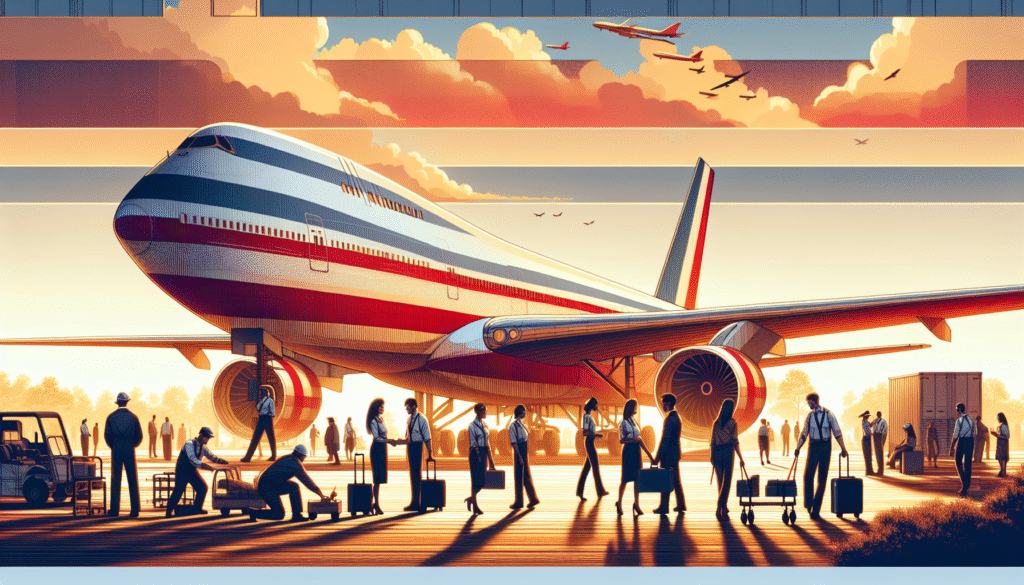
In a notable decision that underscores the intersection of tradition and modern politics, the United States Air Force has announced a significant redesign of Air Force One, the aircraft that serves as the presidential carrier. This development, reported by Defense News in an article titled “Air Force One will be painted red, white and blue, as Trump has hinted, US military says,” highlights the impending adoption of a more patriotic livery for the iconic aircraft fleet.
Joining a list of potential changes introduced during Donald Trump’s presidency, this modification involves repainting the aircraft in the national colors of red, white, and blue. For decades, Air Force One’s design has remained largely unchanged, famously adorned in a striking blue and white color scheme, as envisioned by President John F. Kennedy and first lady Jacqueline Kennedy. This aesthetic choice was crafted to symbolize both modernity and elegance, befitting the stature of the office it represents.
The decision to alter the appearance of Air Force One must be viewed within the broader context of presidential influence and legacy. President Trump had frequently expressed his desire for a more visibly nationalistic design, viewing the traditional palette as lacking in representation of American symbolism. Since leaving office, these discussions seem to have continued to resonate within the corridors of military and civilian oversight committees.
The U.S. Air Force’s backing of this transition reflects a convergence of executive vision with military protocol, challenging the long-standing influence of historic presidential preferences. The proposed design will incorporate a contemporary twist on national pride, intended to elicit a strong visual connection to the United States. This initiative has sparked discussions about the representation of national ethos through governmental symbols and the extent to which changes can or should be made to existing traditions.
Although the changes are emblematic, they carry substantial implications for the perception of American leadership, both domestically and internationally. The design of Air Force One does more than serve an aesthetic purpose; it projects the image of U.S. authority and values during international engagements and in the eyes of the global public. The aesthetic reconfiguration invites analysis on how symbolic elements reflect and influence public sentiments and diplomatic interactions alike.
Amidst various opinions, the move to a red, white, and blue Air Force One underscores how political legacies can permeate beyond policy, extending into icons and symbols traditionally considered stable and unchanging. As this transition unfolds, it will be watched closely, adding another chapter to the storied history of the aircraft that not only transports the leader of the free world but also carries an enduring emblem of the American presidency.