Air Force One Replacement Delayed Until Mid-2028
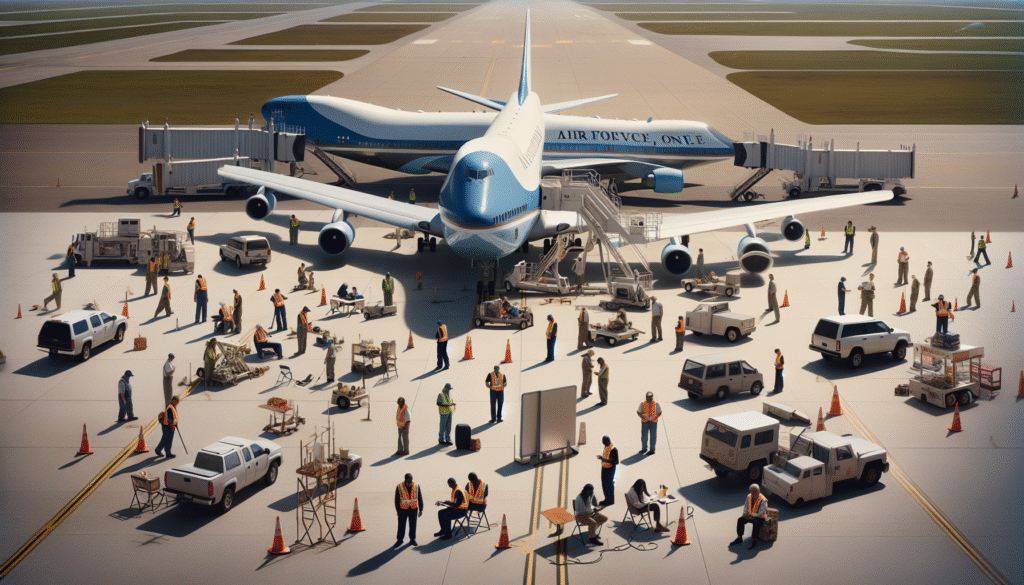
The U.S. Air Force has announced a revised delivery timeline for the next-generation Air Force One aircraft, now expecting the first of the delayed jets to arrive in mid-2028. The update follows ongoing challenges with Boeing’s implementation of the high-profile program, officially designated the VC-25B. According to a report published on Breaking Defense titled “Air Force expects first delivery of delayed Boeing Air Force One jets in mid-2028,” the service continues to navigate delays and technical hurdles that have pushed the schedule further than initially anticipated.
Initially contracted in 2018 under a fixed-price agreement valued at $3.9 billion, the VC-25B program aims to replace the aging pair of VC-25A aircraft that have served as Air Force One since 1990. The development includes retrofitting two Boeing 747-8 aircraft with hardened communications systems, defensive capabilities, and other uniquely presidential functions. The scope of the modifications, combined with widespread supply chain issues and production inefficiencies, has led to a series of schedule setbacks and budget overruns.
Boeing, the program’s prime contractor, has acknowledged cost growth exceeding $2 billion over the original contract. Boeing executives have cited a combination of pandemic-related disruptions, labor shortages, and unexpected engineering complications as root causes for the delays. The current delivery target reflects a slippage of more than two years from Boeing’s previously stated schedule and nearly four years from the Air Force’s original expectations.
The Air Force remains publicly committed to the VC-25B effort amid enduring concern about the readiness and maintenance demands of the current VC-25A fleet, which is approaching the end of its operational life. Officials have emphasized the importance of ensuring the incoming aircraft are thoroughly tested and meet all safety and mission requirements before being cleared for service.
The VC-25B program is among the Department of Defense’s most visible aviation platforms, due to its role in presidential transport and its symbolism of American executive power. As such, any delays or cost increases are closely scrutinized by both Congress and the public. Despite setbacks, the Air Force and Boeing continue to express confidence that the new aircraft will ultimately meet all mission requirements and enter service without compromising capability.
The Breaking Defense article underscores that Boeing has restructured aspects of its program management and contracting strategies in response to the difficulties encountered with the VC-25B. These changes, company leaders hope, will enhance delivery timelines and cost control for future national security aircraft programs.
As the Air Force anticipates receipt of the first VC-25B in the summer of 2028, the service remains focused on maintaining the operational integrity of the existing VC-25A aircraft to ensure uninterrupted executive airlift capability in the interim.